Quick Summary: Basic Sewing Skills (Beginners Guide)
- Mastering the sewing lingo, setting up a dedicated sewing space, and choosing the right machine are foundational steps for beginners.
- Learn how to properly thread your machine, insert/remove the needle, adjust tension, and work the machine basics before tackling projects.
- Practice essential stitches and techniques, like straight stitch, zigzag stitch, gathering fabric, sewing zippers and buttons, to build confidence and versatility.
- Explore intermediate skills as you go: using sewing patterns, hand sewing techniques, and finishes like the French seam, scalloped edges, or mitered corners.
- A steady habit of practice in your sewing corner helps turn these skills into lasting capability. Start simple, build progressively, and you’ll see results
Sewing for beginners may seem intimidating at first. But these basic sewing skills will make life easier! It pays to master beginner sewing patterns to progress to more intricate projects.
So, to nudge you in the right direction, here is a list of skills perfect for sewing for beginners!
RELATED: 9 Easy Beginner Sewing Patterns You Can Do This Winter
Sewing for Beginners Tip: Master These Basic Sewing Skills!
1. The Sewing Lingo
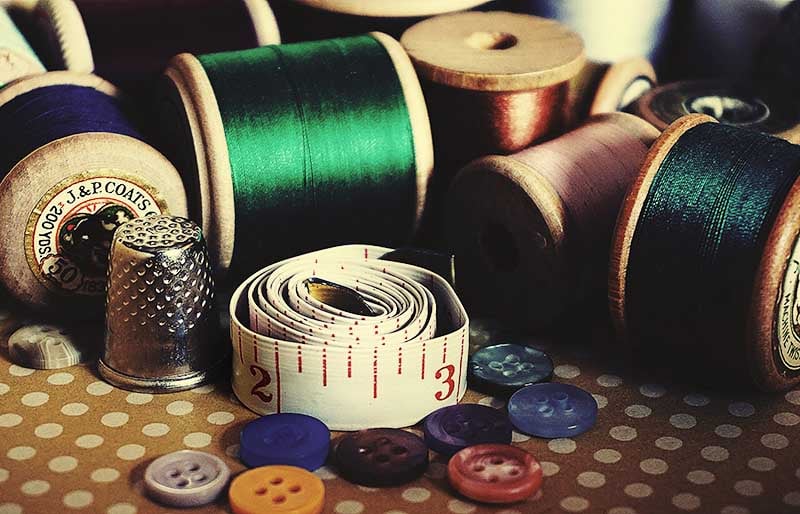
You know the saying, “Walk before you run?” Well, I say, try to learn the terminology before jumping in.
Yes, you can learn them on the job. But wouldn’t it be inconvenient to have a dictionary by your side while completing a project? If you really want to improve your skills, an online class might be worth considering as well!
2. Get Comfortable
Sewing projects can take hours, even days! And they can create such a mess for a beginner who’s learning basic sewing skills. The most basic sewing for beginners advice is to have a spot in your house where you can enjoy your hobby in peace.
3. Choose Your Best Friend — Your Sewing Machine
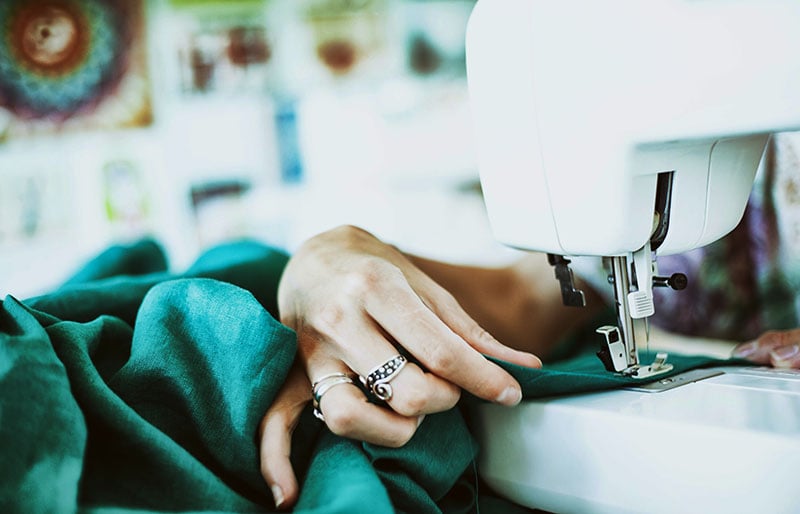
Sewing machines come in different sizes with different specifications. Each model caters to the unique needs of different sewers. You have to know which one suits you best! After all, it will be your constant companion on your sewing journey.
4. Sewing for Beginners in Operating A Sewing Machine
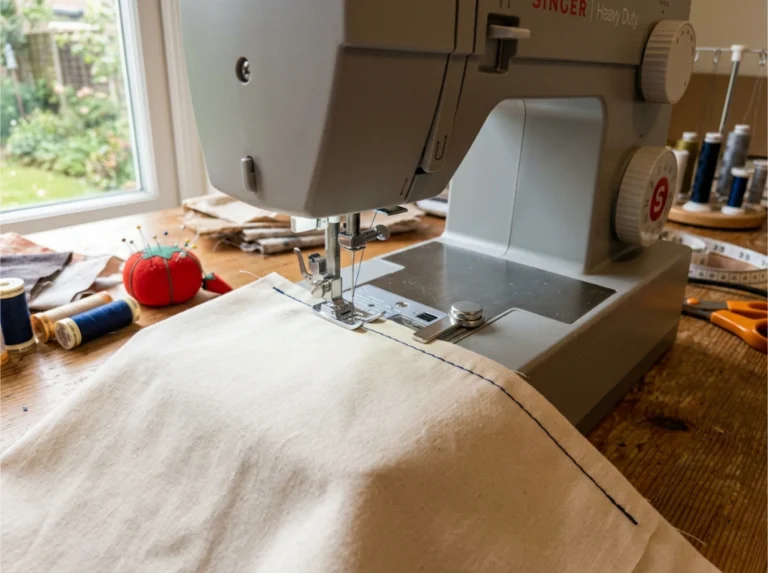
Now that you have your sewing machine, the next step is to understand it. When you know how to operate this device, you can improve your sewing machine skills!
5. How to Insert and Remove A Sewing Machine Needle

Getting poked by a sewing needle seems like a rite of passage for all sewers. I’ve also had my fair share of accidents while replacing my sewing machine’s needle! To avoid this, it’s best to learn how to insert and remove those needles the right way.
6. How to Adjust Your Sewing Machine Tension
Here’s a sewing for beginners insider. Your sewing machine tension determines how your stitches will come out. Incorrect sewing machine tension could cause your stitches to be too slack or too tight. We wouldn’t want that, would we?
7. Thread Your Sewing Machine
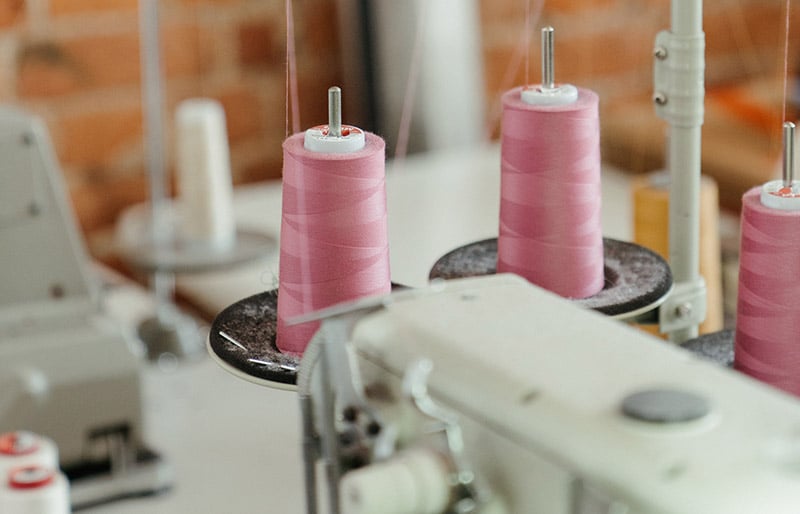
Threading your sewing machine may look complicated. Especially for those in the first stages of sewing for beginners. But the good news is, you can do it by following a few simple instructions! Sewing machines even come with numbered parts to guide you.
8. Choose The Right Sewing Needle
Like sewing machines, needles have different types for different needlework. For instance, you can’t use a regular point needle for quilting — it would break! And broken needles are never fun to look for under layers of fabric scraps. Check out this good pack of needles to grab.
9. Sewing for Beginners in Choosing The Right Thread
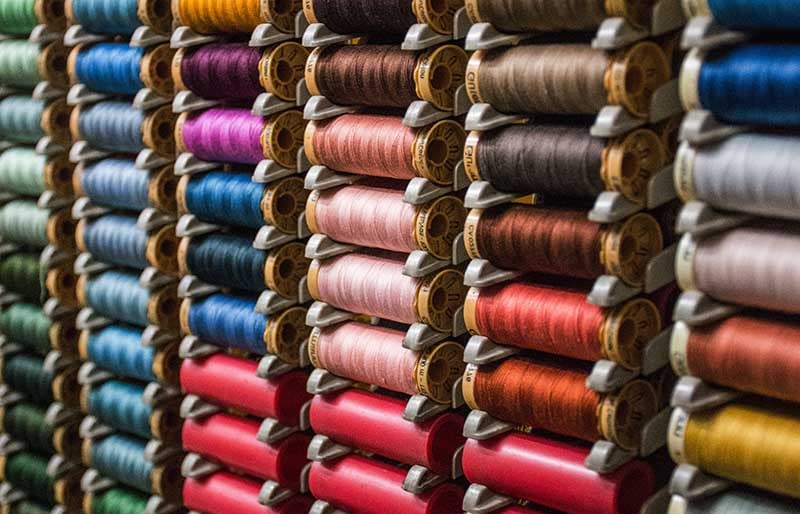
Some combinations work better than others. While some combinations can only work with each other. This is the case with choosing the right thread for different types of fabrics. It’s best to learn them before realizing you’ve wasted a whole day on a silk project using a cotton thread!
10. Sewing for Beginners in Hand Sewing
Before I had my first sewing machine, I did every project by hand sewing. Learning how to sew by hand step by step was hard, and it required much more attention to detail. Yes, it can be quite frustrating. But it’s one of the skills you need to master in the beginning stages of sewing for beginners.
11. Hand Sewing Techniques
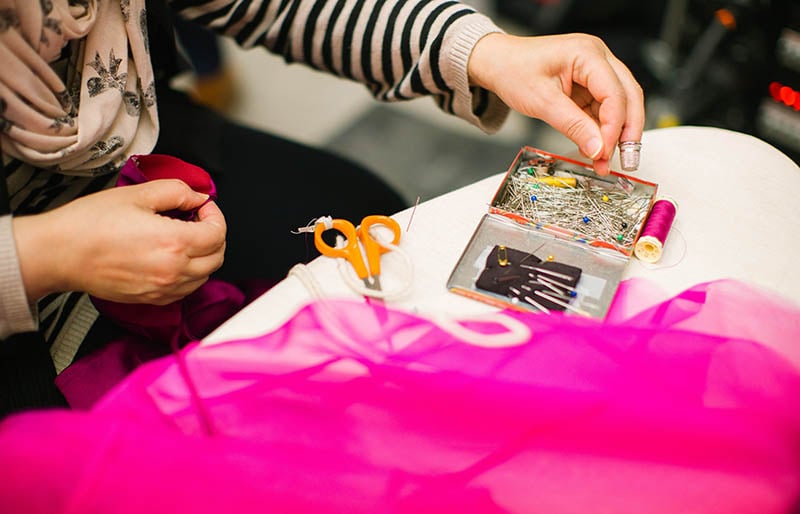
Hand sewing can be quite intimidating with its difficulty. On the bright side, there are hand sewing techniques that make it easier and more convenient. For instance, did you know you can put hairspray on your thread for easier threading through a needle?
12. Sewing for Beginners in Basic Stitches
There are two different types of basic stitches. The hand-sewn stitches and the sewing machine stitches. By studying them you will learn the basic stitches you need in sewing for beginners. From running stitch to blanket stitch. All these will help you start (and complete) your first projects.
13. Sew A Straight Stitch
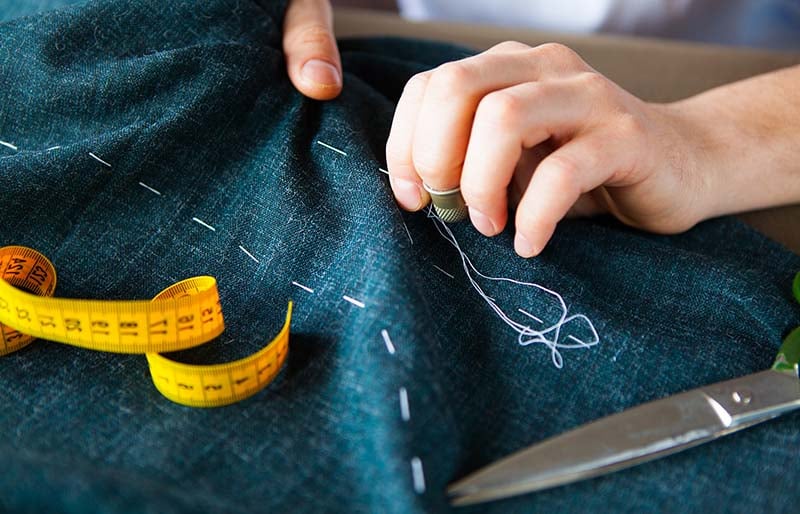
You can sew straight stitches using a sewing machine. It’s one of the most basic and easiest stitches to do. But don’t be fooled by its sewing difficulty level. It’s actually also one of the most versatile stitches out there!
RELATED: SEWING 101: Beginner’s Guide To Basic Sewing Stitches
14. Sew A Zigzag Stitch
This is another type of stitch done using a sewing machine. Zigzag stitches are often used for decorative purposes. Yet they are also very sturdy and can hold fabric together. Want to make sure your seam doesn’t come undone? Use this stitch with the help of a Zigzag Stitches Foot!
15. Sewing for Beginners in Gathering Fabric

I’ve been in love with ever since my first ruffled skirt project. It’s also a practice much easier done by hand. But learning to do it using a sewing machine is another basic skill to master! Better add this to your to-do list on sewing for beginners!
16. Sew A Zipper
Zippers are an integral part of many types of clothing and accessories. They are used in fashion staples such as dresses, pants, and bags. So it’s impossible to bypass learning how to sew it.
Sewing it the right way is important, too! Nobody wants a mishap with their zippers, right?
17. Sew A Button
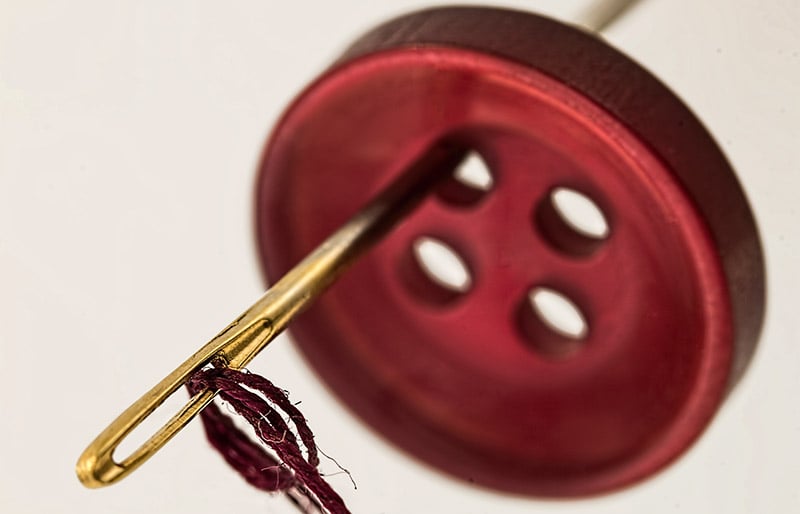
Like zippers, any sewer worth their salt has to master the art of sewing a button. Buttons are everywhere — they’re on our pants, dresses, and tops! Make sewing buttons fun by using funky, complimentary threads!
18. Sew A French Seam
This may sound like it’s meant for someone with advanced sewing skills. But it’s part of the sewing for beginners manual. Because all it means is tucking in frayed and raw ends of fabric and sewing it shut. The French seam will give your project a polished and classic look.
19. How to Sew Mitered Corners
 Mitered corners are like flat piping, but flatter and wider. They are perfect to apply on square or rectangular projects. This will make them look more polished and high-end. Try this on your next table runner project!
20. Sew Scalloped Edges
Scalloped edges are simply adorable! My daughter loves the scallop-edged skirt I made her last Christmas. This technique is perfect for adding a feminine touch to any project you have.
21. Sewing for Beginners in Using Sewing Patterns
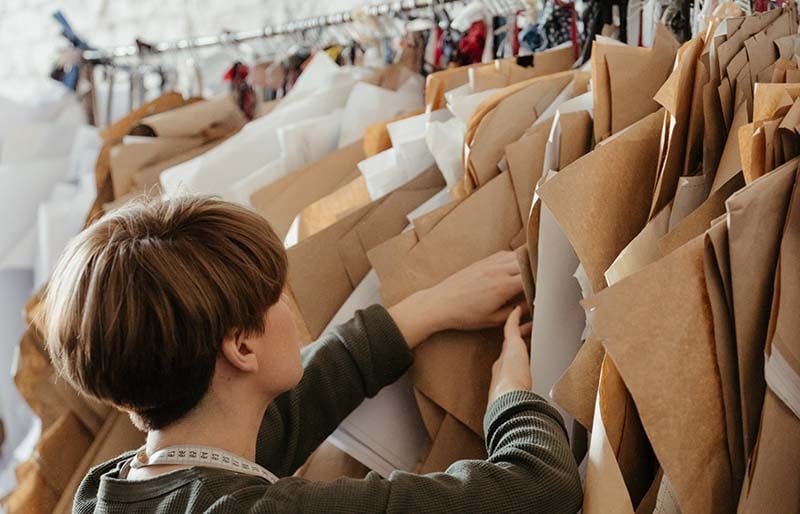
Even now, I still sometimes follow patterns for my sewing projects. They’re convenient and perfect for beginners who want to try new projects. Just follow the instructions, and soon, you’ll be creating your own patterns! Once you become more familiar with this method, you can move on to difficult sewing patterns.
22. Sewing for Beginners in Embroidery Stitches
Based on my experience, embroidery is one of the hardest types of needlework. Its stitches used to intimidate me. But as I learned, sewing and embroidery stitches have a lot in common. Practice and patience are the keys to succeed in embroidery. The same with succeeding in sewing for beginners.
23. Sew A Blanket Stitch
This is like the blanket stitch used in sewing. You apply a blanket embroidery stitch at the edge of the fabric. It gives the fabric a polished look by framing it with the thread color of your choice.
24. Sewing for Beginners in Cross Stitch
Some consider cross stitch as sort of a “sub-group” of sewing. But its basic stitch is also used in embroidery or even in traditional sewing. It’s best to learn this, in case you come up with an idea that would need it!
25. Sewing for Beginners in Knitting (Purl Stitch)
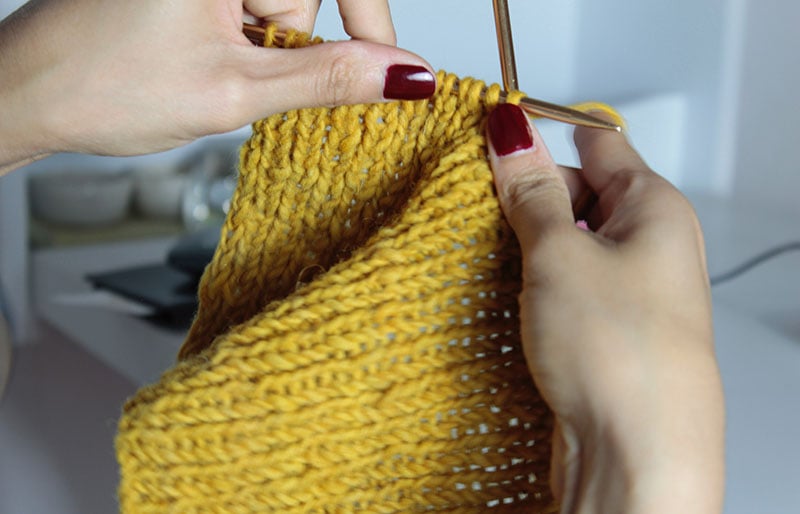
If you’re more interested in knitting than embroidery, learning the purl stitch is a must for you! It is one of the most-used stitches in knitting. Partly because it is easily learned and because it looks so good when done well!
26. Sewing for Beginners in Working Without A Pattern
There are times when you would need to sew a garment without a pattern. For instance, when you spot a good garment but the store doesn’t have your size. If you know some tricks on how to sew without a pattern, those problems won’t bother you anymore.
27. How to Use Invisible Zipper
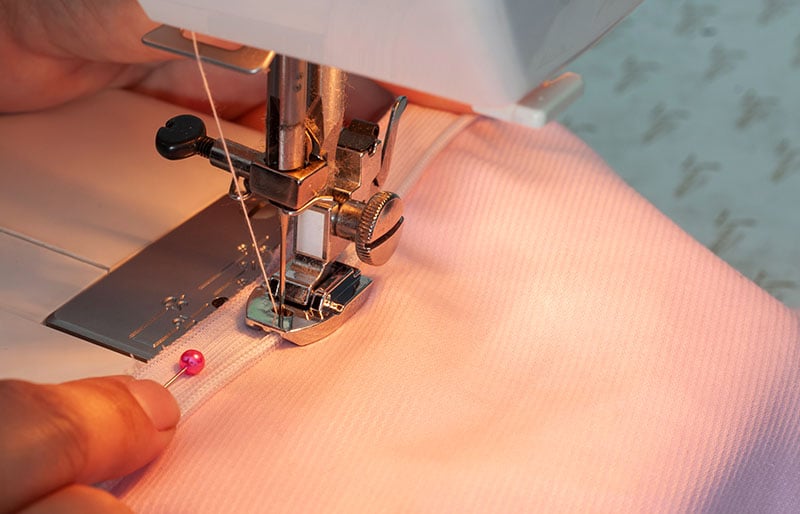
Simple but tricky! That’s what it’s like when you want to learn how to sew an invisible zipper. But with this tutorial, you won’t feel the pressure in learning this basic skill.
Looking for more tips on knitting? Check out this video from Hobby Lobby!
Now that you’re armed with basic skills and tips in sewing for beginners, it’s time to find your sewing corner and practice! After all, practice makes perfect. And for those who have advanced sewing skills, I hope this refreshed your memory on the basics of our hobby!
Which of our tips on sewing for beginners have you ticked off already? Let us know in the comments section below!
Editor’s Note: This post was originally published on May 21, 2018, and has been updated for quality and relevancy.
Quick Poll