
Learning how to sew without pattern can be quite tricky. But it’s really satisfying once you get the hang of it. I have just the right tips and tricks for you. There are times when I come across a particularly adorable type of dress, blouse, or costume that I want. But as it turns out, it’s either unavailable or worse, they don’t carry my size. My solution? Make it myself! Usually, I turn to the guidance of patterns, but when it’s not available, I have a whole range of tips and tricks that still allow me to sew what I want. Read on to find out more about how to sew without a pattern!
TL;DR: Sew Without Pattern – Tips & Tricks
- Start by getting accurate measurements and sketching (or visualizing) your garment flat; this becomes your guideline instead of a traditional pattern.
- Use an existing well-fitting garment as your model: trace it or dissect it to understand shapes and seams before cutting your fabric.
- Make a muslin or mock-up first, using a cheaper fabric to test fit and ease before cutting into your final fabric.
- Begin with simple shapes, loose garments, basic silhouettes, and gradually introduce shaping (darts, curves) as your confidence grows.
- Mark carefully on your fabric and don’t skip pressing or checking grainlines, because without printed pattern guides, you’ll rely on your own precision.
Related: Sewing for Beginners: 25 Must-Learn Basic Sewing Skills
Learn How to Sew Without Pattern Using These Tips!
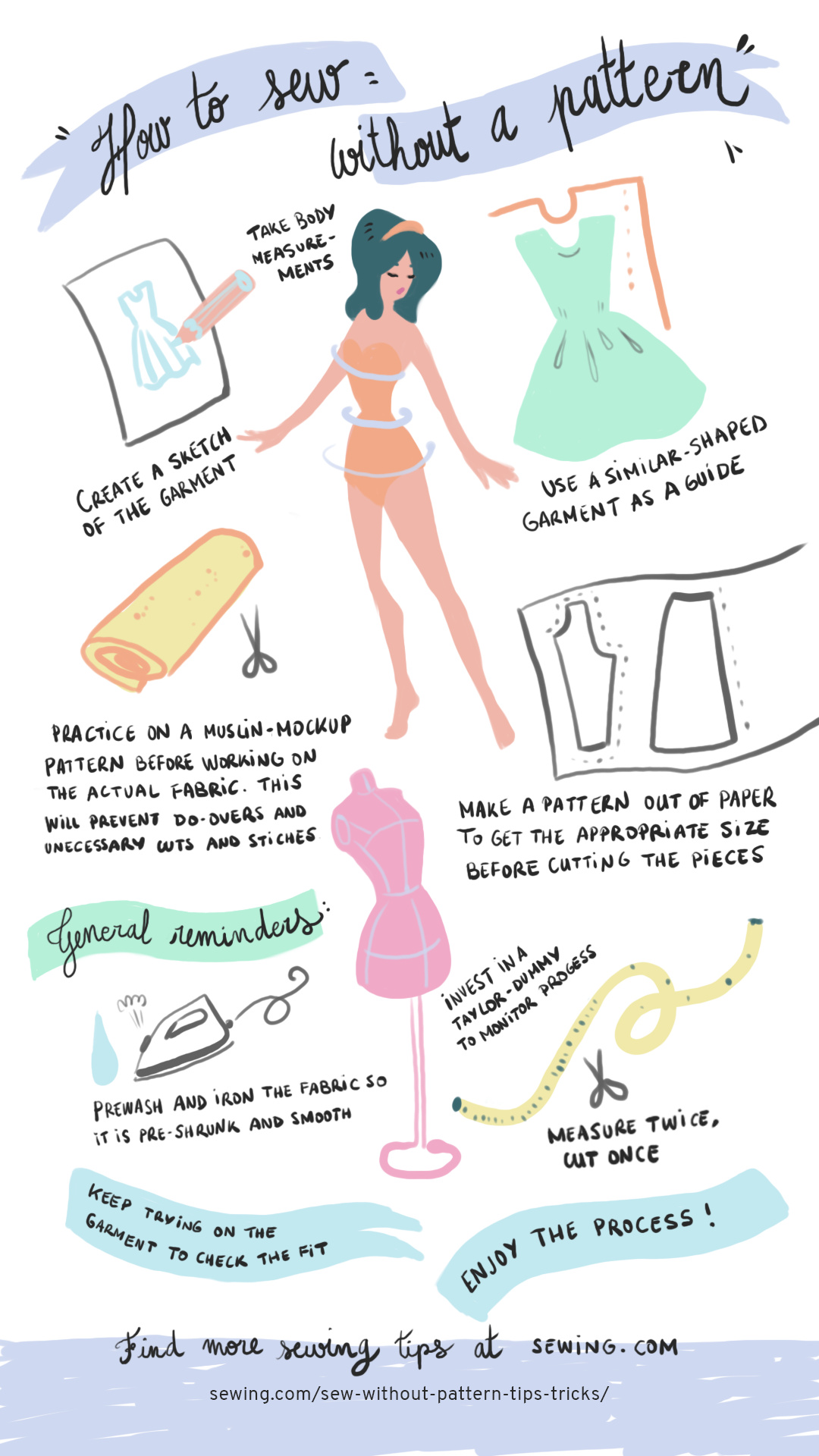
Tip 1: Take Your Measurements
Taking your measurements is a must for every sewer, especially when sewing without pattern. Your measurements will serve as your guide! Make sure to measure the distance between your shoulders well.
Tip 2: Sketch the Garment
Since you don’t have a pattern to abide by, sketch the clothing you want to create first. Sketching it will give you time to familiarize yourself with the garment. You can make a mental checklist as you go!
Tip 3: Imagine the Garment Flat
Similar to sketching the garment, imagining it lying flat on a table will help you visualize more of how it would look. Imagining it flat will guide you on which sides should be sewn together and which should be cut in a certain way!
Tip 4: Use an Old Garment as a Guide
If sketching is not your strength, you can use an old garment as a guide. There are two options for this trick: one way to sew without pattern is to use wax paper to trace your old clothes, or fold the old garment in half before tracing it on the fabric (folded in half too).
Tip 5: Make Patterns Out of Paper
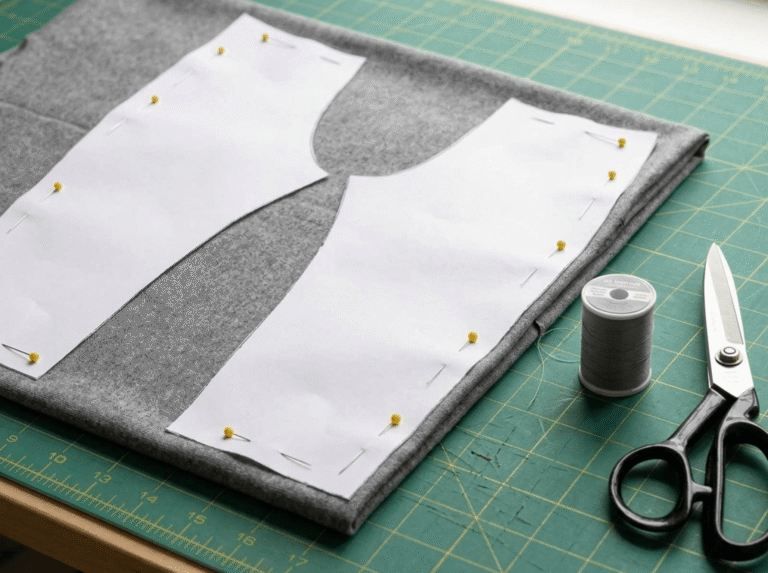
This trick is a good option if you don’t have a similar garment for the style of clothes you want to sew. You may pin the paper to yourself to get the approximate size of the garment. But do this with caution, as you might prick yourself. This is better than cutting your fabric right away.
Tip 6: Use a Muslin Mock-up Pattern
To avoid starting over and over again, make a muslin mock-up pattern first! A muslin fabric is essentially used as a test garment made of cheaper fabric. You could save your fabric and adjust measurements using this!
Tip 7: Invest In a Tailor’s Dummy
Investing in a tailor’s dummy might just be one of my greatest decisions! I have an adjustable one at home, and it helps me see how the project looks as I progress. This is especially handy when I sew dresses for my child – she just can’t sit still!
Sew without Pattern General Reminders:

- Be careful of cutting. A few centimeters can make a lot of difference in a garment.
- Iron the fabric before sewing. Get rid of all those creases.
- Keep trying on your garment as you go. Enjoy the process.
Learning how to sew without pattern can be easy. Just check out this video by SEW ALDO on how to sew a dress without a pattern:
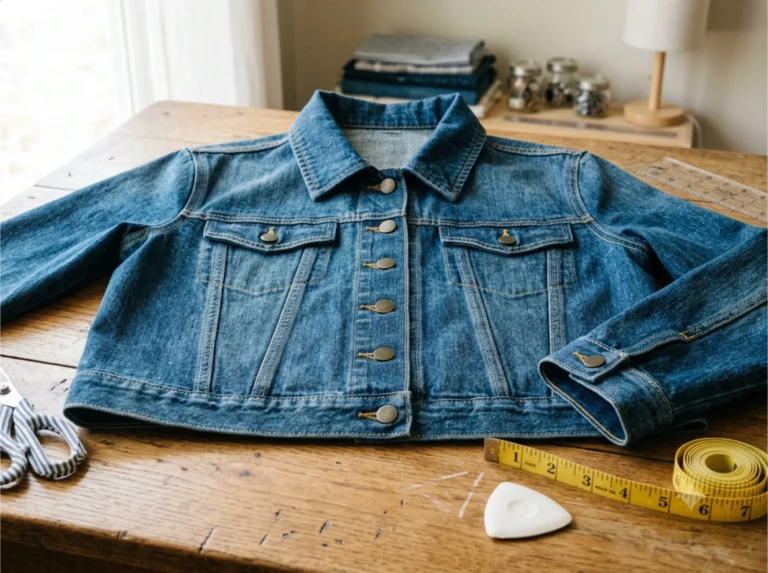
Now that you know these tips and tricks on how to sew without pattern, you can go crazy and design your own clothes! Remember that summer dress you scrolled past Instagram? Go ahead, sew it now! How about the denim jacket you wanted, but never found a pattern for? You can try to sew it on your own. Take out your sewing kit and go forth, sewers! Enjoy!
Which of these tips helped you the most? Let us know in the comments section below!
Up Next: Sewing Tips 101 for Handling Stretchy & Knit Fabric!
Stay connected with us on Facebook, Twitter, Instagram, and Pinterest!
Editor’s Note: This post was originally published on March 15, 2017, and has been updated for quality and relevancy.