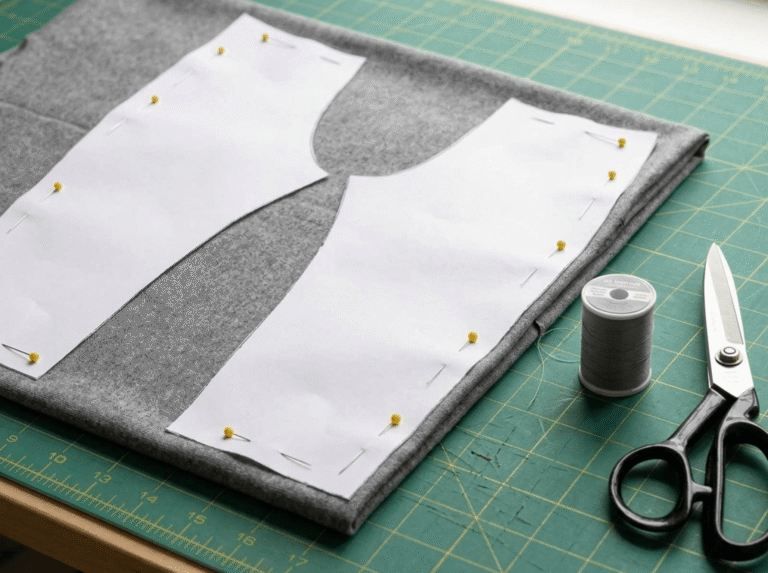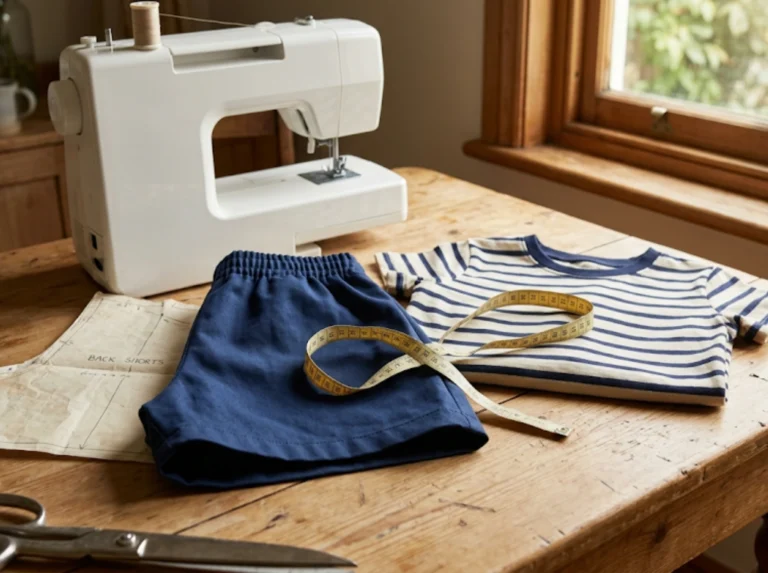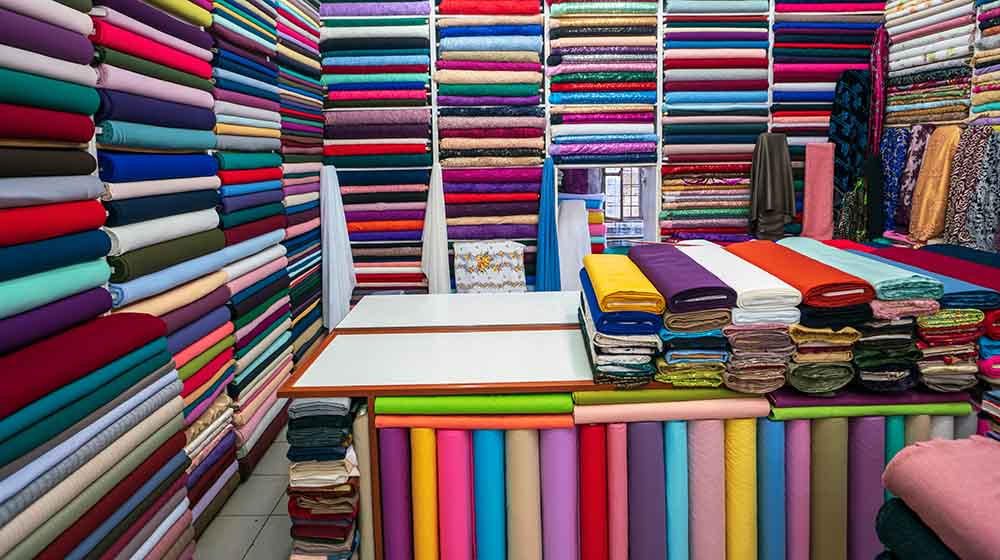

Take your sewing room organization to the next level! Find out how to organize and store fabrics to keep your sewing efficient. Take notes as we show you 11 brilliant ways to keep your fabrics organized!
TL;DR: Sewing Room Organization: Store Fabric
- It offers practical ways to store and organize fabrics in your sewing space (such as rolling fabric on boards, using clear bins, and shelving by fabric type) so you can see what you have and reduce wasted space.
- It recommends sorting fabric by type, use, or color (e.g., knits vs wovens, by designer or project) to streamline selection and reduce clutter.
- It emphasises visibly accessible storage (so you can see fabrics at a glance) plus digital cataloging of your stash (photographing pieces, tagging in an app) to avoid over-buying and rediscover existing pieces.
- It highlights small-space and budget-friendly hacks: repurposed boards, up-cycled shelves, baskets, wall storage, and keeping everything off the floor for better flow in a sewing room.
RELATED: 101 Clever Sewing Projects To Upcycle Fabric Scraps
How to Store Fabrics to Keep Your Sewing Room in Order
1. Rolled onto Cardboards
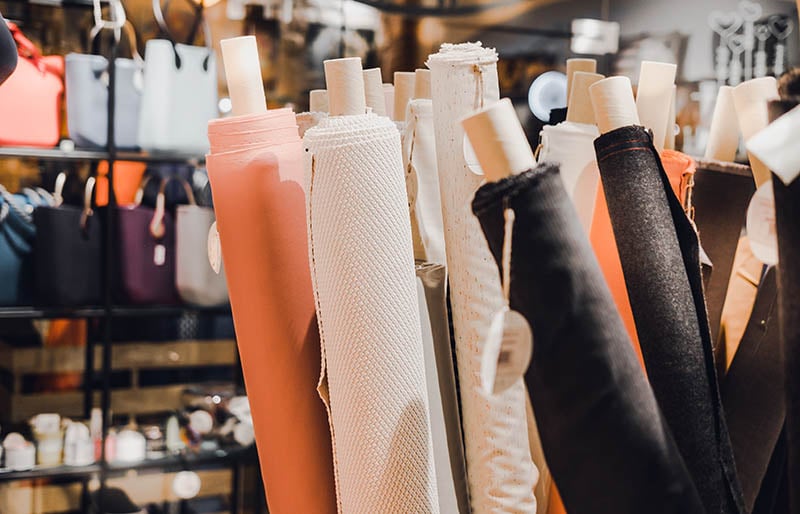
Most of our spare fabrics are usually thin enough to be rolled onto cardboard. Arrange these cardboards on your shelves for better organization. Easy peasy but helpful!
2. Shelves
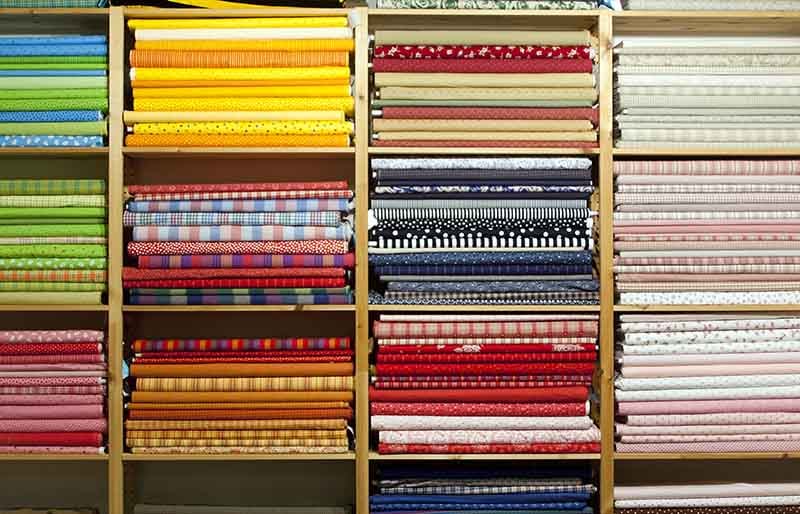
Investing in shelves is always a good idea. Especially if you’re looking for the fastest way to store fabrics. You can arrange them by fabric type or by color.
3. Upcycled Racks
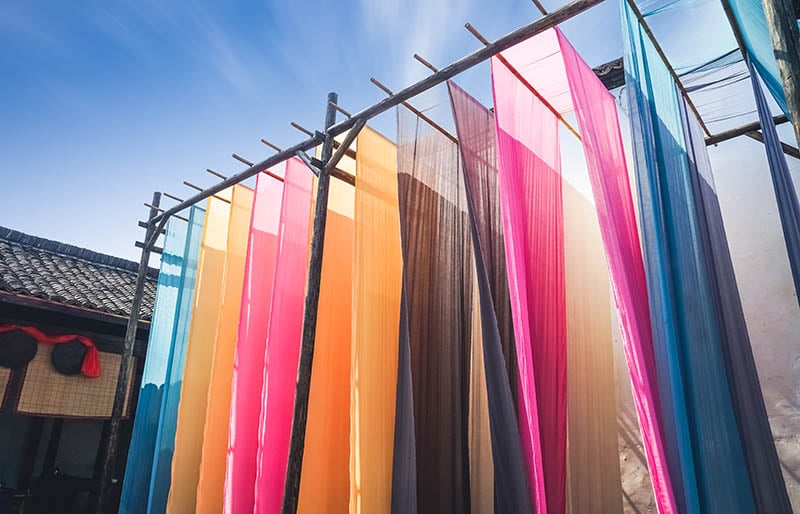
Trying to crack organization hacks is a great way to push your creative limits! Upcycling racks are great for sewers who want to do more DIY projects. This may be at the top of mind on how to organize fabrics.
4. Filing Folder

You might think filing cabinets are only for folders and documents. But guess what? You can also store fabrics in them!
It’s actually pretty nifty to store them this way. Not only can you see your archive of fabric, but it also saves a lot of space!
5. Use Wire Baskets
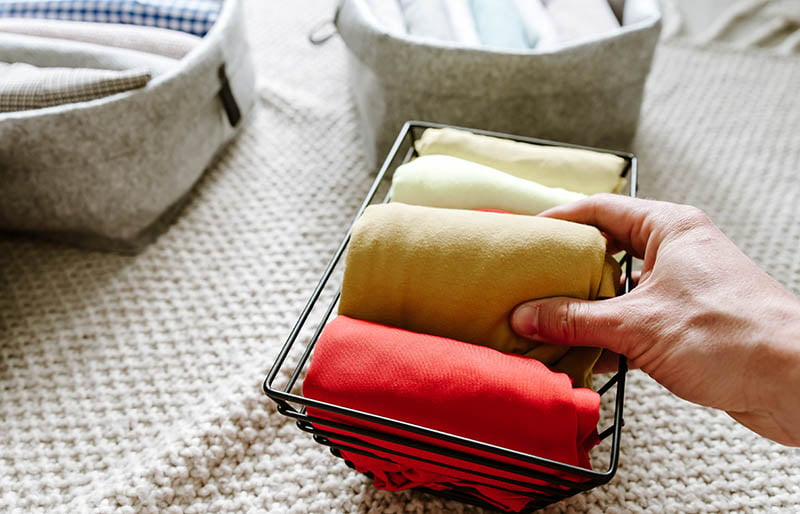
Wire baskets can give you a peek at which fabrics are stored within them. As a bonus, you can also stack them up! This idea on how to organize fabric is pure genius!
6. Use Hangers
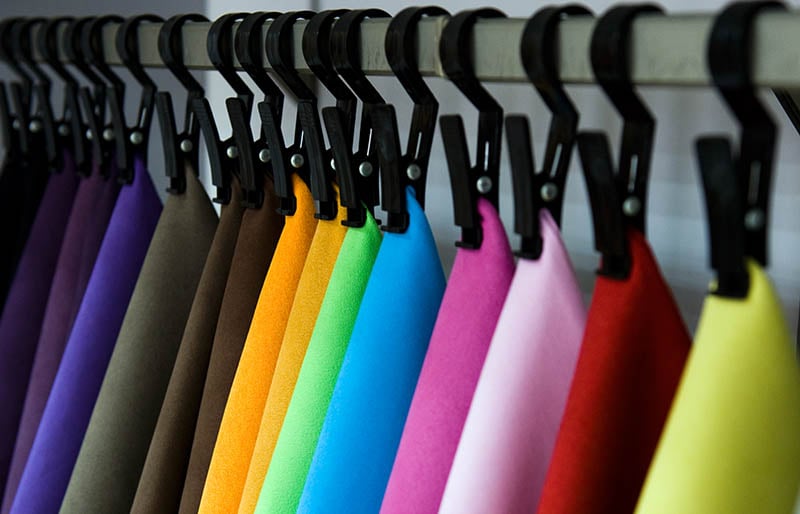
If you’ve got spare closets at home, this is perfect for you! You can store fabrics and arrange them by color for better organization. Oh, and they look easier on the eyes, too.
7. Hang Through Curtain Rods
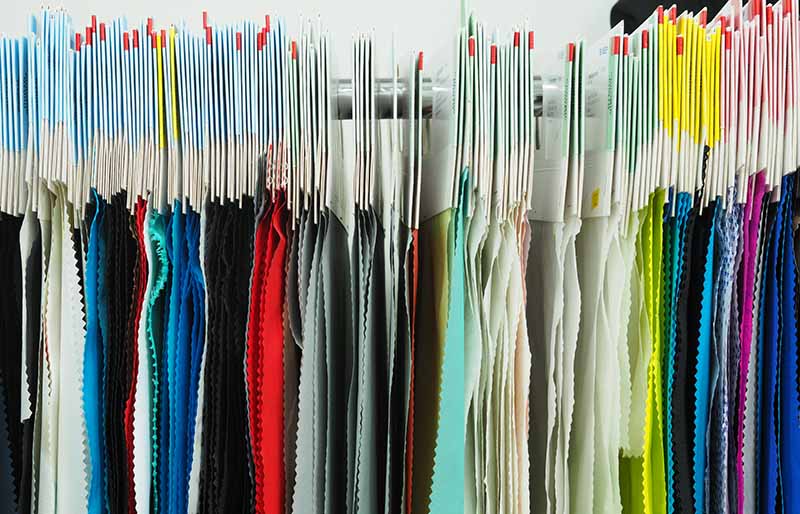
Another brilliant idea on how to organize fabrics is to hang them from curtain rods. Use clothespins for your folded fabrics. This way, you can easily see what fabrics you have on hand.
8. Rolled in Baskets or Boxes
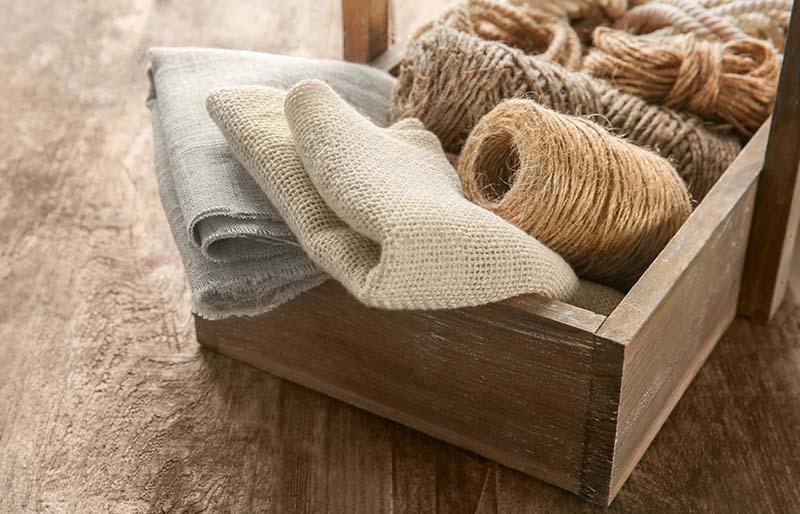
For your smaller fabric scraps, you can roll them and store them upright in cute boxes. You can seal them by tying ribbons around them. Putting labels can be pretty nifty, too!
9. Fancy Glass Jars

Get some medieval apothecary vibes with this glass jar! Keeping your fabrics inside this keeps your sewing room organized. Plus, you’d also be taking your aesthetic to the next level.
This lovely how-to-organize-fabrics idea is magazine-worthy!
10. Store them in Dressers
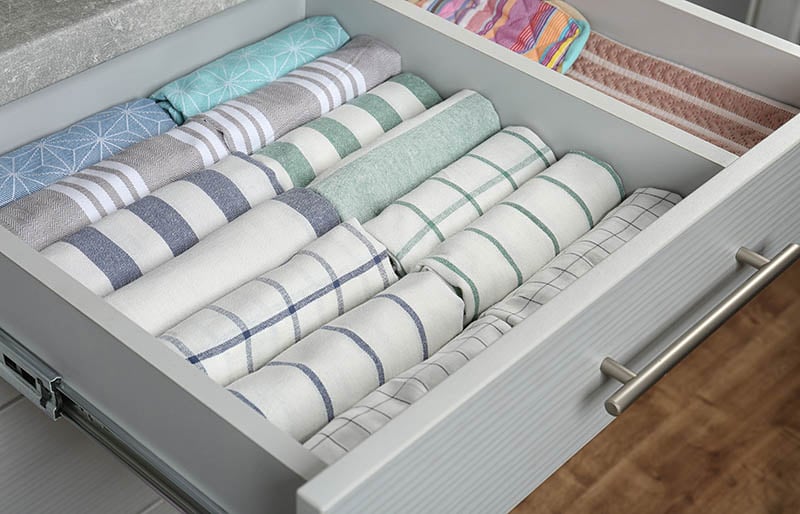
Fabrics can attract lots of minute particles like dust, bugs, and even small rodents. Keep your precious fabric-safe by storing them in dresser drawers! For aesthetic purposes, store yours in a beautiful dresser that looks very boho-chic.
11. Keep Fabrics in Plastic Tubs
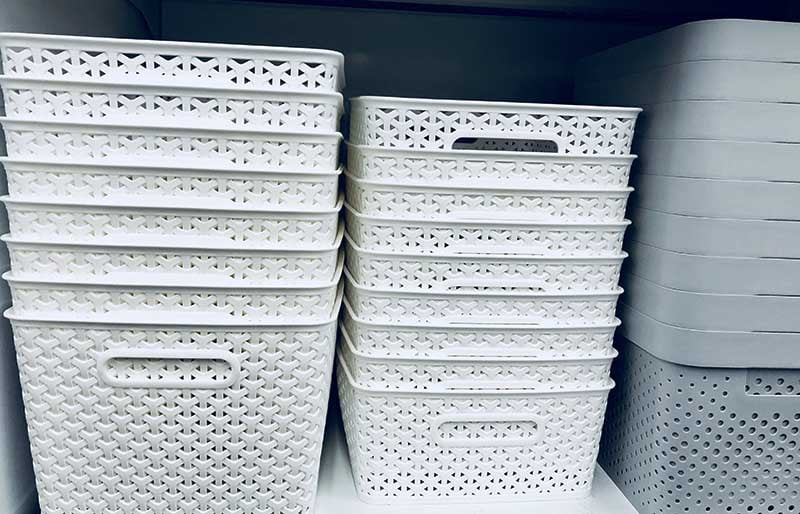
Fold your fabrics neatly and store them in stackable plastic tubs. You may also keep the cotton fabrics in one tub, the linens in another, and so on.
This genius how-to-organize-fabrics tip is definitely one for the books!
Watch this video from SewCanShe for more tips on how to organize fabrics:
Never miss out on your beautiful fabrics again! With these 11 tips on how to organize fabrics, you will always be ready for your next big sewing project!
Do you have other ideas on how to organize fabrics? Let us know in the comments section below!
Up Next:
- 16 Sewing Room Organization Ideas
- 15 Sewing Room Organization Hacks For Hassle-Free Sewing
- DIY Off the Shoulder Top | How To Refashion An Old Shirt
We aim to feature the hottest trends in the sewing world, so get in touch if you can contribute! WRITE FOR US!
Editor’s Note: This article was originally published on September 26, 2018, and has been updated for quality and relevancy.