
Start Here
Related: Free Simple Linen Shorts Pattern for Kids
What Makes Back-to-School Clothing Worth Sewing Instead of Buying?
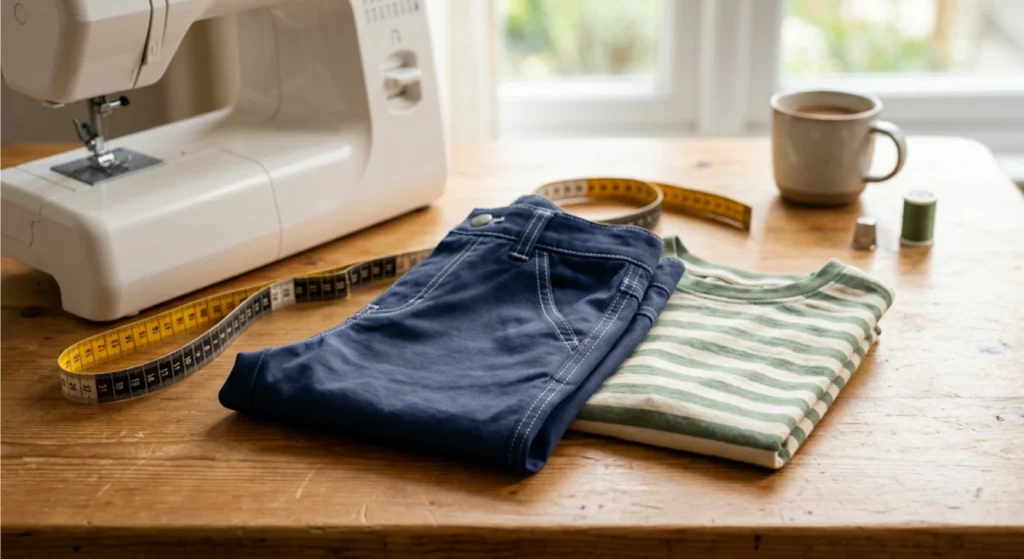
Let’s kill the myth first: sewing back-to-school clothing is not always cheaper than the sale rack. A shorts and tee set runs about 8 to 15 dollars in fabric. A clearance rack can beat that. If price is your only reason to sew, buy the clothes and enjoy your evenings.
Here is what the rack cannot sell you: clothes that fit your actual kid and survive your actual school year. Retail children’s sizes assume an average body that most kids don’t have. One maker on PatternReview.com put it plainly: “even though I have her measurements, everything I make is a little too big.” At least when you sew, the fix is in your hands. When a store shirt fits wrong, your only tool is a receipt.
The second win is durability. Fast fashion kidswear is built to survive the return window, not 40 weeks of washing. When you sew back-to-school clothing yourself, you choose the fabric, the stitch length, and the seam type. Those three decisions, not fancy technique, are what decide whether the knees blow out by October.
What Are the Best Simple Shirt and Shorts Patterns for Back-to-School?
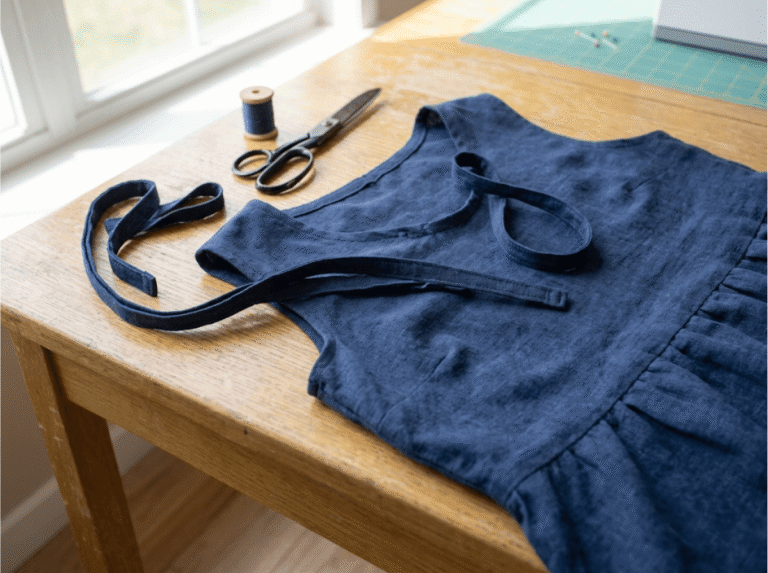
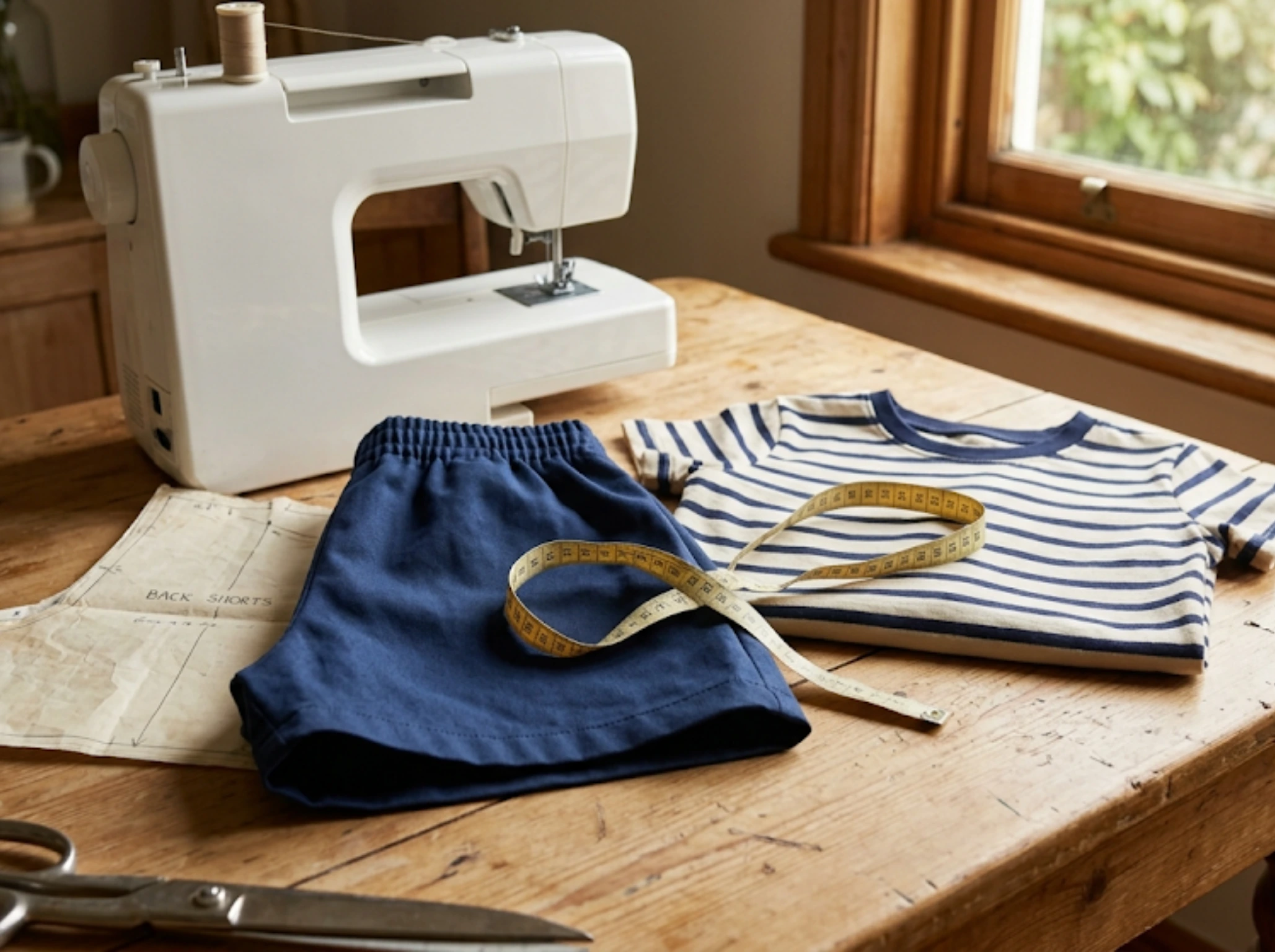
The best back-to-school clothing patterns are boring on purpose: elastic-waist shorts, a raglan or basic tee, and a simple knit dress. Few pieces. No zippers. No buttonholes. Each one teaches a skill the next one uses.
Not everyone should start in the same place, though. Sewists genuinely disagree about the right first move, and both camps have a point. If school starts within two weeks and you have finished any garment before, build the shorts and tee now and learn on the fly. A finished outfit by the first bell beats a perfect one by October. If you have never finished a garment, take the staged path instead: shorts first to learn casings, then the tee to learn knits, then the dress to combine both. The dress can land after school starts. The kid needs clothes all year.
One warning from the field before you buy an indie pattern: quality varies wildly. One maker described a pattern where “the instructions jumped straight from step 2 to step 5.” Read reviews on PatternReview.com before you spend fabric money on any back-to-school clothing pattern, and favor patterns with photographed steps.
If you are sewing for a preschooler instead, our free toddler clothing patterns guide covers sizes 2T through 5T. For girls’ dresses beyond the basics, browse our girls dress patterns roundup.

- Kona Cotton Solids Pool Party collection from Robert Kaufman Fabrics
- Designed by Studio RK
- Fat Quarter Bundle includes 12 18-inch by 22-inch fat quarters
- 100% Cotton; premium quilt shop quality fabric
- Precut, neatly folded and secured with a ribbon by the manufacturer
Which Fabrics Survive a Full School Year of Washing and Play?
Fabric is the durability decision. Stitching is just the insurance. For woven back-to-school clothing like shorts and skirts, use cotton twill or midweight denim. For tees and dresses, use cotton jersey or a cotton-spandex blend with at least 5 percent spandex for recovery. These fabrics take hot washes, playground gravel, and backpack straps without pilling apart. Our fabric types guide breaks down each one.
Skip loose weaves, delicate finishes, and anything labeled dry clean. School clothes live in the washing machine, so pick fabric against a 40-wash year, not against how pretty the bolt looks in the store.
Prewash every fabric twice before cutting. Most shrinkage happens in the first two washes, and a garment that shrinks after you sew it wastes every hour you put in. One maker on Reddit, r/sewing, shared: “I spent $50 on fabric, and the whole thing puckered. I don’t even know if it’s the tension, the needle, or if I broke the machine.” Prewashing and a fresh needle prevent most of that story.

- Use for waistbands, leg bands, and sleeves
- Roll and twist resistant elastic
- Use with light-to-medium-weight fabrics
- Machine washable and dryable in temperatures up to 200° F
- This elastic is not waterproof
How Do You Fit Back-to-School Clothing for a Growing Kid?
Back-to-school clothing only earns its keep if it still fits in March. Fit for the kid they are becoming, not the kid they are today. Kids’ bodies vary as much as adult bodies do, so measure the child instead of trusting the age on the envelope. Most kids grow up faster than they grow out, so length is your priority.
Measure chest, waist, and height, then choose the pattern size by the chest measurement. If your child is between sizes, size up in width and adjust length separately at the pattern’s lengthen or shorten lines. Never grade by age.
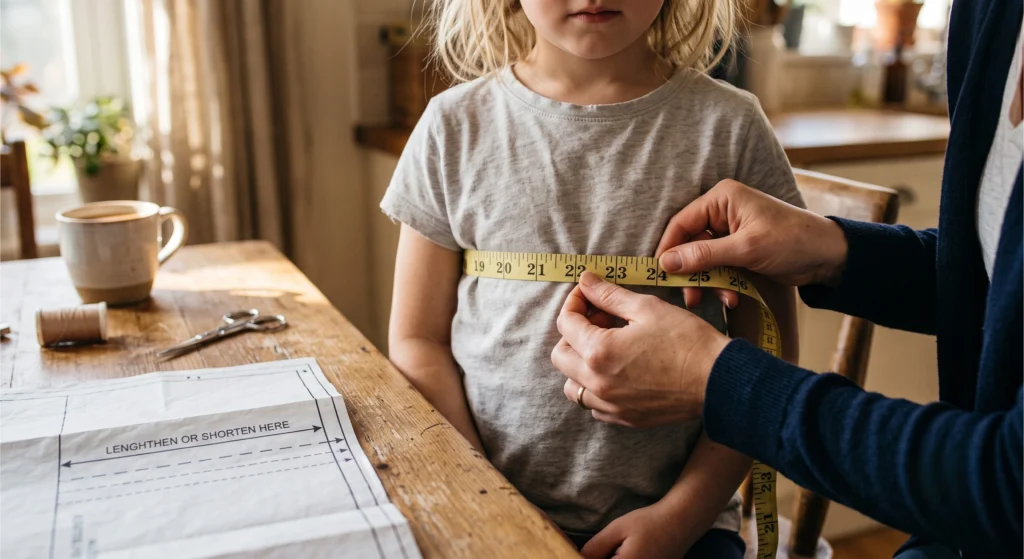
Add growth room where it is invisible. Sew hems 2 inches deep instead of 1 inch so you can let them down mid-year. Use buttonhole elastic in the waistband so the waist adjusts in seconds. Both changes cost minutes and add months of wear.
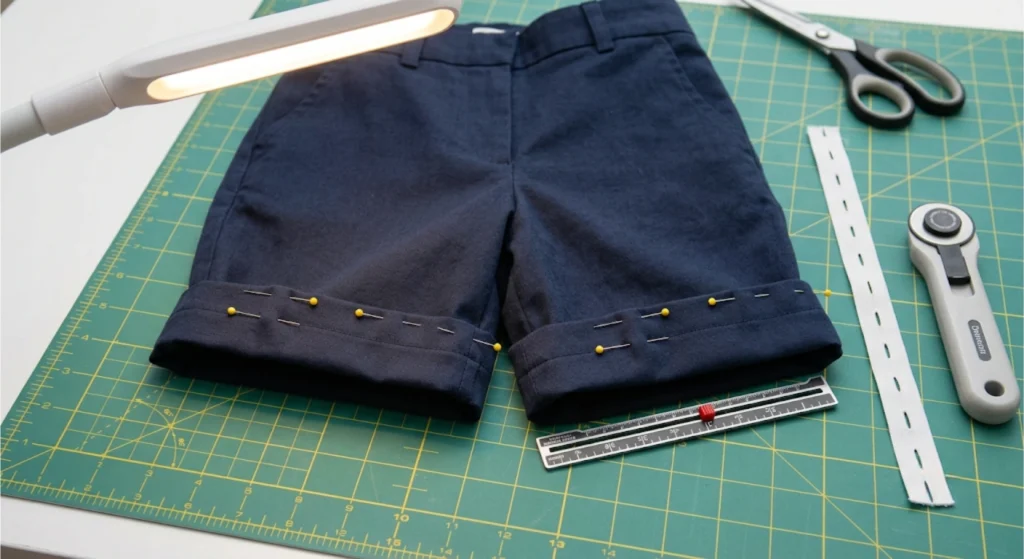
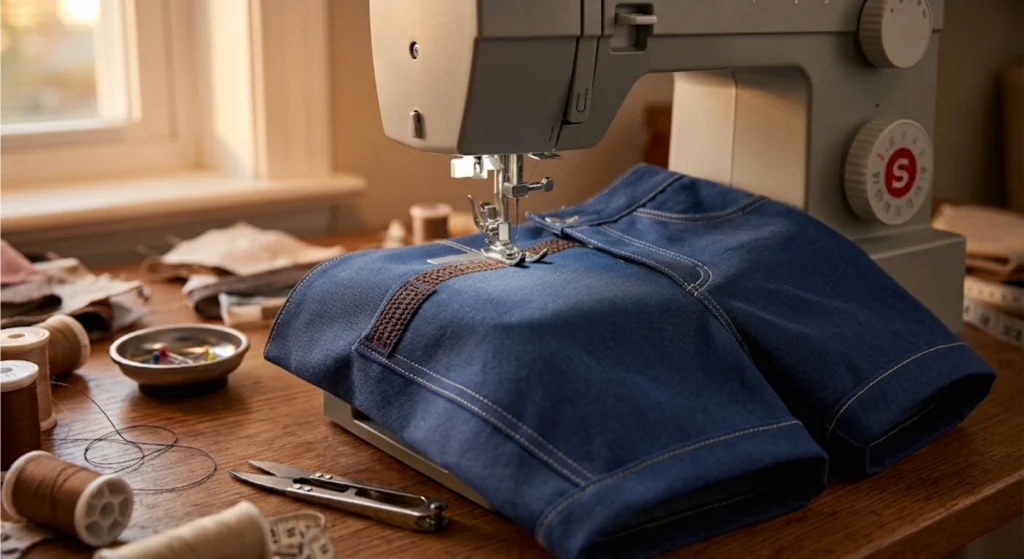
Reinforce where school happens. Shorten your stitch length to 2.0 on the seat and inseam, sew bar tacks at pocket corners, and fuse a patch of matching fabric inside each knee during construction, before any hole appears. Flat-fell the inseam on everyday shorts. It is stronger than a serged seam and needs no serger.
How Do You Make a Back-to-School Clothing Pattern from Start to Finish?
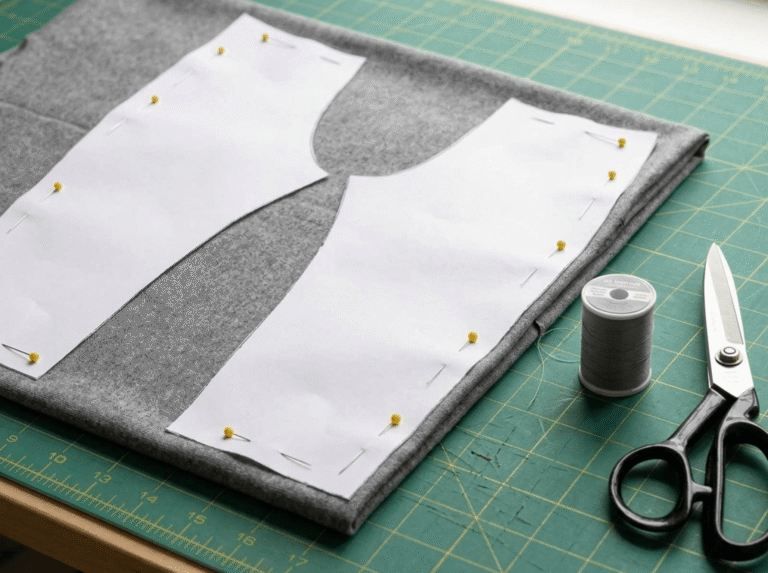
You can draft simple back-to-school clothing patterns yourself with four measurements and an old bedsheet. Here is the short version for elastic-waist shorts. The full start-to-finish walkthrough, with diagrams for shorts, tee, and dress, is in the free downloadable guide at the end of this article.
Take four measurements: waist, hip, rise (waist to chair seat while sitting), and desired length. Write them on the pattern paper itself so they travel with the pattern.
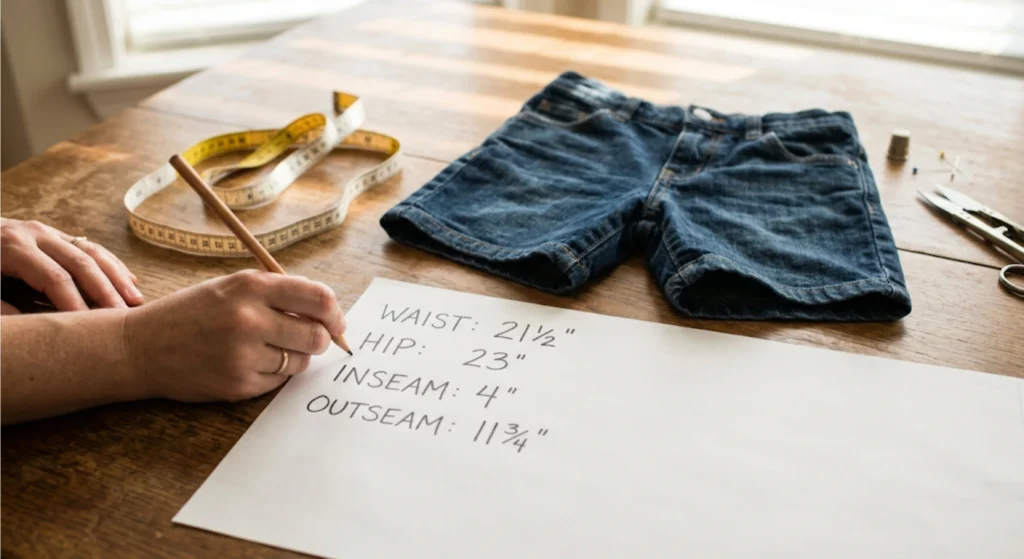
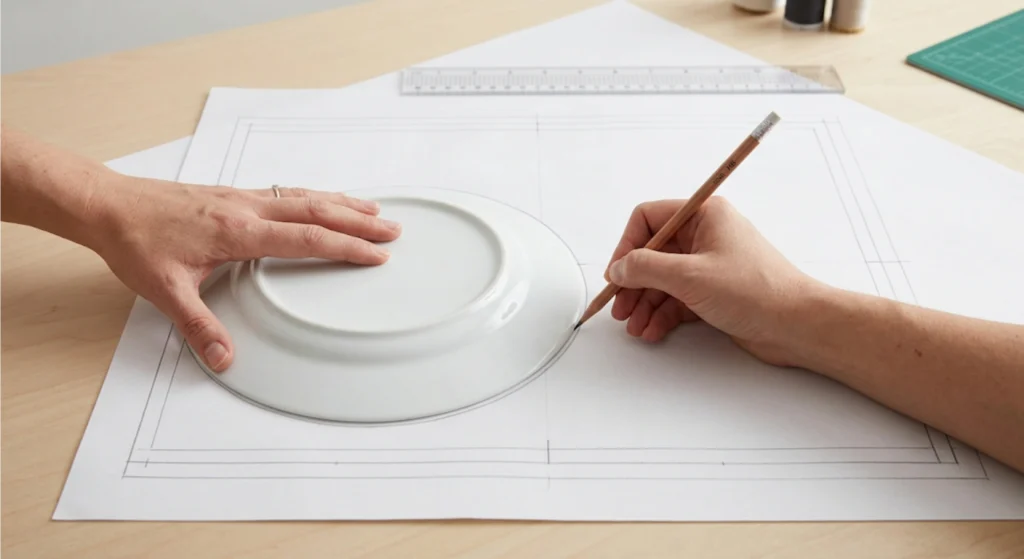
Draw the front piece: a rectangle as wide as one quarter of the hip plus 2 inches of ease, as long as rise plus length plus 3 inches for hem and casing. Curve the crotch seam by tracing a dinner plate edge. Copy it for the back, adding 1 inch of width.
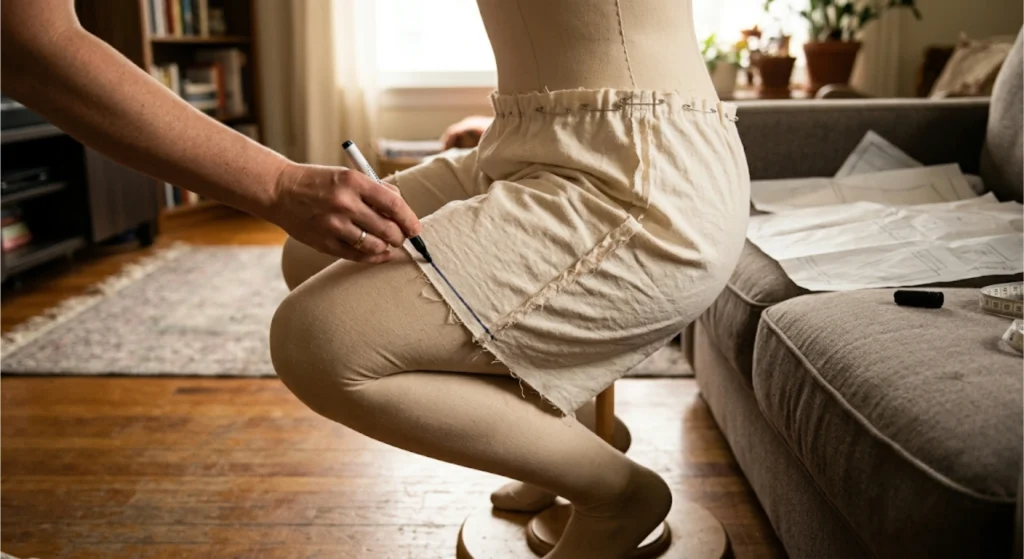
Test the pattern in an old bedsheet before cutting real fabric. Sew the two seams, thread scrap elastic through, and have your kid sit, squat, and reach. Mark what pulls. Fix the paper, not the fabric.
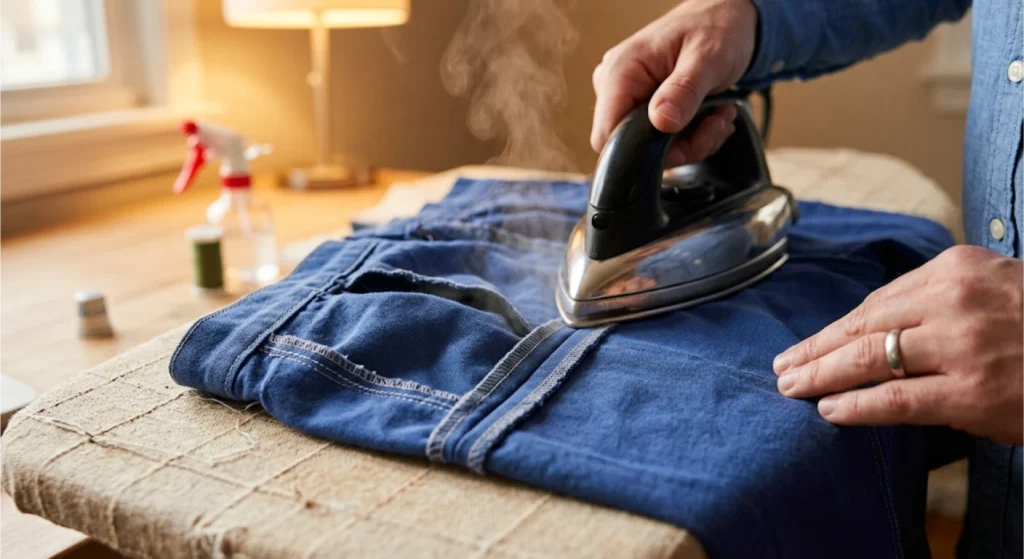
Cut the final fabric, sew the inseams and side seams, flat-fell the inseam, sew the casing, and thread the elastic. Press every seam before you cross it with another one. Pressing as you go is construction, not cleanup, and it is the single habit that makes handmade clothes look store-bought.
That is a full garment from four numbers. One maker described the payoff:
“My clothes look store-bought, and people actually ask where I got them.”
Sew the First Outfit Before the First Bell
Sewing back-to-school clothing is not about beating the clearance rack on price. It is about clothes that fit the kid in front of you, survive the washing machine, and hand down intact. Pick your path: fast build if you have sewn before, staged path if you are new. Choose twill and jersey, reinforce the knees and pockets, and bury growth room in deep hems. Then finish one outfit this week. Done and worn beats perfect and pinned.

Download the Free Back-to-School Pattern Guide
Want the full start-to-finish walkthrough? The free Back-to-School Clothing Pattern Guide includes the full drafting steps for shorts, tee, and dress, printable measurement charts, a fabric shopping list, and the reinforcement map for every stress point. Download the free guide here.
Check this video from N A Fashion.
Frequently Asked Questions
-
What sewing patterns are best for kids’ school clothes?
Elastic-waist shorts, a raglan or basic tee, and a simple knit dress are the best school clothing patterns for most skill levels. They use few pieces, skip zippers and buttonholes, and finish in one or two sittings. Start with the shorts, then the tee, then combine both skills in the dress.
-
What fabrics wash well for kids’ everyday wear?
Cotton twill, midweight denim, cotton jersey, and cotton-spandex blends handle repeated washing best. Prewash every fabric twice before cutting, because most shrinkage happens in the first two washes. Skip loose weaves and delicate finishes for school clothes, since backpack straps and playground surfaces wear through them fast.
-
How do you alter patterns for growing children?
Measure chest, waist, and height, then pick the size by chest and add length at the pattern’s lengthen or shorten lines. Build in growth room with deep hems, adjustable elastic waistbands, and shoulder seams you can let out later. Most kids grow up faster than they grow out, so length comes first.
-
Why do handmade kids’ clothes wear out at the knees and seams?
Single-stitched seams and unreinforced stress points fail first. Shorten your stitch length on seat and inseam seams, add bar tacks at pocket corners, and flat-fell or topstitch high-stress seams. For knees, fuse a patch of matching fabric inside the leg during construction, before the hole ever appears.
-
How long does it take to sew a back-to-school outfit?
Plan two to three hours of active sewing for a shorts and tee set once fabric is prewashed and cut. A simple knit dress takes about the same. Spread the work across two evenings instead of one late night, since most construction errors happen in rushed final steps.
-
Is sewing kids’ clothes cheaper than buying them?
Not always, and that is the wrong test. A shorts and tee set runs roughly 8 to 15 dollars in fabric, close to sale-rack prices. The real savings show up in durability, repairs, and fit. One garment that survives two school years and a hand-me-down beats three cheap replacements.
-
Can I sew school clothes without a serger?
Yes. Finish woven seams with a zigzag stitch, pinking shears, or flat-fell seams, which are actually stronger than serged seams on high-wear garments. For knits, use a narrow zigzag or your machine’s stretch stitch with a ballpoint needle. A serger saves time but adds no durability.
Why did you vote that way? Drop your take in the comments.