
Fast Facts
Pre-wash your linen twice at the same temperature you will wash the finished dress, use a fresh universal 80/12 needle, staystitch curved edges right after cutting, finish every seam (serger, zigzag, or French), and press after every seam. The skipped pre-wash is why beginner linen dresses shrink. It is not a sewing skill problem.
You bought beautiful linen. You washed it. You ironed it. You cut it. You sewed it. You washed the finished dress, and it came out two inches shorter than it was supposed to be.
That is not a sewing skill problem. That is a fabric preparation problem, and it is the step that almost every beginner tutorial skips entirely. One home sewist on Reddit’s r/sewing summed up the moment that follows:
That moment of standing over a ruined garment with no idea what went wrong is the seam ripper moment. This guide is built around preventing it.
What Do You Need to Sew a Linen Dress?
Linen is forgiving in many ways. It presses beautifully, holds structure well, and gets softer with every wash. But it requires a properly set-up machine and the right supplies. Gather these before you cut a single piece.
Supplies Checklist
- Linen fabric: 2 to 3 yards, depending on your pattern, pre-washed at least twice (more on this below). Medium-weight 5 to 7 oz plain weave is the most forgiving for beginners.
- Needle: Universal 80/12 or 90/14. Linen has a tight weave, and a dull needle causes skipped stitches.
- Thread: 100% cotton or cotton-poly blend. Avoid polyester-only thread on garments you will wash often.
- Pattern: A loose-fit A-line or shift dress for your first linen project. Avoid close-fitting bodices until you have practiced with the fabric.
- Seam finish supplies: Serger, zigzag-capable machine, or French seam supplies (covered in detail below).
- Iron and pressing cloth: Non-negotiable. Linen needs steam pressing at every seam.

- SEWING MADE SIMPLE: SCHMETZ Universal Needles work with all home sewing machines and handle everything from delicate silks to heavy denim, making them perfect for any quilting, embroidery, craft, or home décor project
- CONVENIENT 1-NEEDLE SOLUTION: These all-purpose 80/12-sized needles handle a wide variety of materials, saving you time and effort in your sewing routine
- VERSATILITY & VALUE: This needle set delivers reliable performance across many fabrics, offering great value for your sewing kit
- READY FOR EVERY CHALLENGE: These needles are built for the long haul, tackling even the toughest sewing projects with ease, and delivering professional-quality results on woven and knit fabric
- SNAG & DAMAGE-RESISTANT: With a slightly rounded point, these needles glide through woven and knit fabrics without snagging, making them perfect for both beginners and complex projects
This article contains affiliate links. We may earn a small commission if you purchase through them, at no extra cost to you. We only recommend products we have personally tested, or that meet our editorial standards.
Machine Check Before Cutting
Re-thread your machine from scratch. Insert a fresh needle, even if you think the current one is fine. Linen will expose a needle that is even slightly dull.
Cut a 6-inch test swatch from your linen, taken from the selvage edge and not from your pattern pieces. Sew a test seam. Look for skipped stitches, thread bunching on the underside, or puckering. If you see any of these, troubleshoot the machine before touching your actual fabric. A puckered test swatch is data. A puckered dress is wasted fabric.
How Do You Pre-Wash Linen So a Finished Dress Doesn’t Shrink?
Wash and dry your linen at least twice before cutting. This is the single most important step in the entire project.
Linen shrinks between 3% and 5% in the first wash. Loosely woven or untreated linens can shrink up to 10% when exposed to hot water or high dryer heat. On a 2.5-yard length of fabric, 5% shrinkage means you lose about 4.5 inches in length. That is not adjustable after the fact. For more on linen fiber behavior and shrinkage benchmarks, see FabricLink’s linen reference page.
Pre-Wash Protocol
Machine wash on warm or hot, matching the temperature you will use for the finished dress. The fabric needs to experience the heat it will see in real life, not a gentler pre-treatment wash.
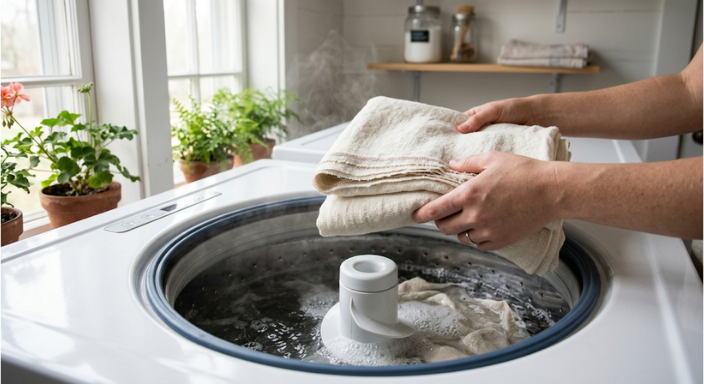
Tumble dry on medium heat. If you plan to air-dry the finished garment, air-dry the fabric. The goal is to replicate the actual garment care conditions.
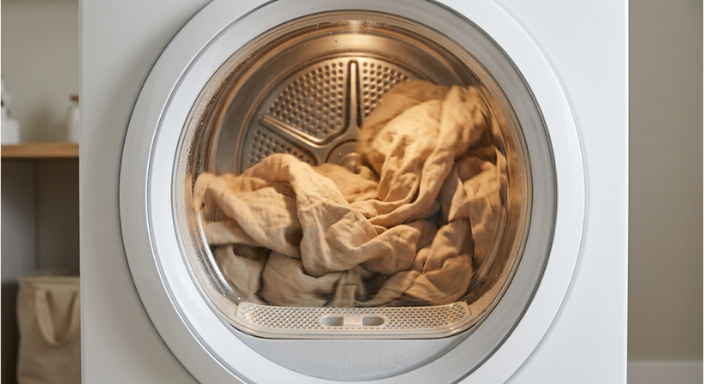
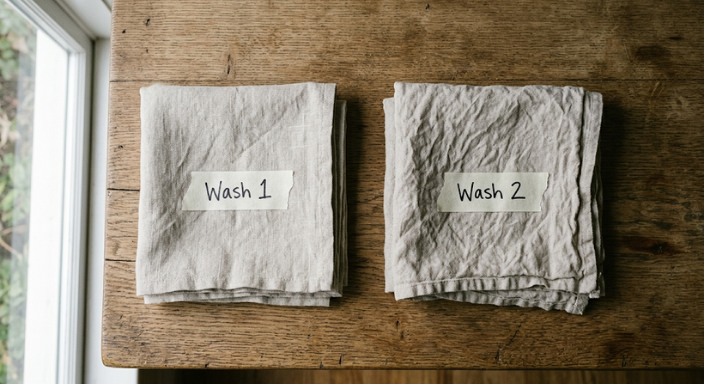
Repeat once. Most shrinkage happens in the first wash. The second wash catches the remainder. After two cycles, the fabric is considered stable.
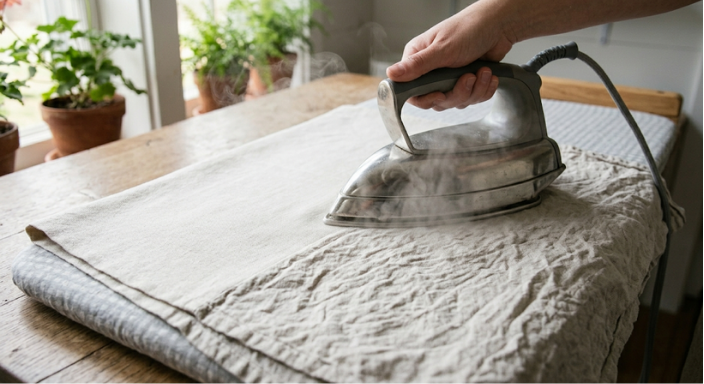
Press before cutting. Pre-washed linen will be wrinkled. Iron at high steam before laying your pattern pieces. Wrinkled fabric produces inaccurate cuts.
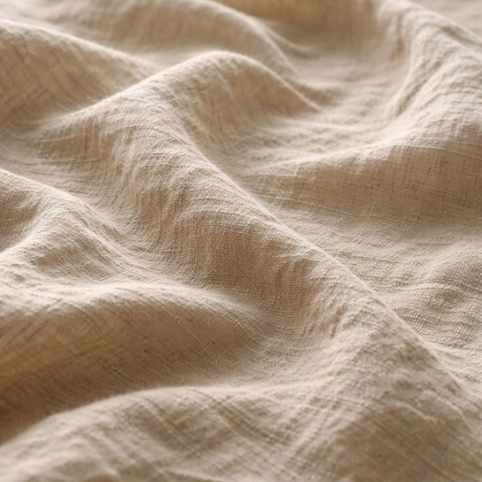
What to look for: After pre-washing, the fabric should feel softer and have a slight texture in the weave. If it feels stiff or boardlike, run it through one more cycle. Stiffness usually means there are still sizing or finishing chemicals in the fiber that will release in future washes.
How Do You Cut a Linen Dress on Grain So It Hangs Straight?
Linen is a woven fabric, which means grain line matters. Off-grain cutting is one of the top reasons linen garments twist or hang unevenly after washing. When you lay your pattern pieces, check the grain line against the selvage edge, not against the fold line, before cutting each piece.
How Do I Know Which Size to Cut?
For any dress pattern, measure your full bust, high bust, waist, and hips, then compare to the pattern’s finished measurements, not the body measurements. Linen has minimal stretch, so ease matters.
Curve-inclusive note: If your full bust is more than 2 inches larger than your high bust, cut by your high bust measurement and add bust volume using a full bust adjustment (FBA) before cutting your final fabric. Most pattern grading is calibrated to a B-cup body assumption, and skipping the FBA is the most common reason fitted linen tops gape at the neckline or pull across the chest. For your first linen project, a loose A-line or shift cut sidesteps this problem entirely.
For a beginner’s first linen project, choose a loose-fitting style with at least 2 inches of ease at the bust. Tight-fitting linen garments require fitting adjustments that are easier to tackle once you are comfortable with the fabric.

- Great for sewing, quilting, home and crafting projects
- Prevents fabric, ribbon and trim edges from fraying
- Secures thread ends on stitchery or embroidery projects
- Machine washable and dry cleanable
- Dritz Fray Check contains: n-Propanol, Nylon Terpolymer, Water

Pattern Layout Tips
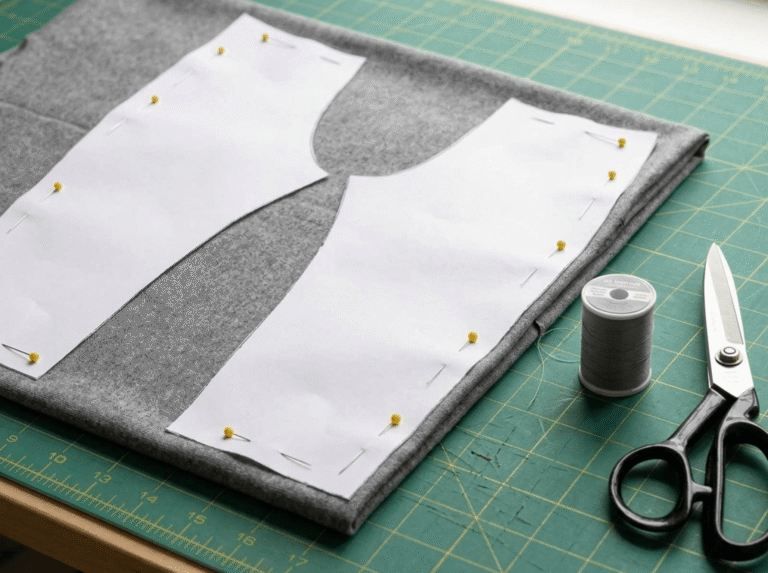
- Use pattern weights instead of pins where possible. Pins leave holes in linen that can be visible in finished garments.
- Cut with sharp fabric scissors or a rotary cutter. Dull blades drag the fibers and distort the cut edge.
- Mark notches and grain lines with tailor’s chalk or a removable marking pen, not iron-on tracing paper, which can damage linen fibers with heat.
What’s the Best Seam Finish for a Beginner’s Linen Dress?
Linen frays. This is not a flaw. It is a characteristic of the woven structure. Your job is to contain the fraying at every seam before it becomes a problem. Choose your seam finishing method before you start sewing and apply it consistently throughout the garment.
Three Seam Finish Options
- Serger or overlocker. The fastest and cleanest finish for linen. If you have one, use it. Sew the seam first, then serge the allowances together. (If you are considering one, see the Serger Buying Guide for budget-tier picks.)
- Zigzag stitch. Set to a medium width (3 to 4mm) and medium length stitch. Sew along the cut edge of each seam allowance. This is the most accessible method for a standard sewing machine.
- French seam. The couture option. It encases raw edges inside the seam. Best for light to medium-weight linen on straight or gently curved seams (not set-in sleeves). Takes more time but produces a beautifully clean inside.
Power Sewing approach recommends the zigzag finish for everyday garments. It is fast, secure, and delivers professional results in a fraction of the time.
Couture method points to French seams as the only finish that truly encases linen’s tendency to fray over multiple washings.
Both are right. Which one applies depends on how long you want this garment to last and how much time you have. If you are making a wardrobe staple you will wear for five years, French seams. If you are testing the pattern before cutting into better fabric, zigzag is fine. Anyone telling you French seams are mandatory for every garment is gatekeeping. Anyone telling you zigzag is “lesser” hasn’t tested both finishes through fifty wash cycles.
The fix-it path: Whichever finish you choose, apply it to every seam in the garment. The mistake is mixing finishes within one dress, not the choice itself.
How Do You Construct a Simple Linen Dress, Step by Step?
Prerequisite skills for this section: Straight stitch, basic seam allowance accuracy (5/8 inch is standard), staystitching, and pressing as you go.
-
Staystitch the neckline and armscye curves immediately after cutting.
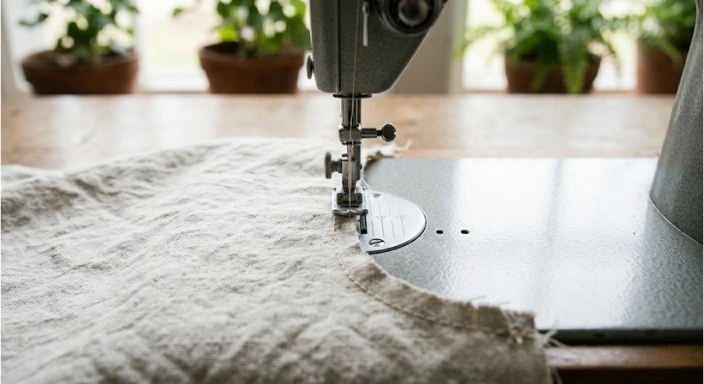
Before any other sewing. Linen curves will stretch on the bias if not staystitched. Sew just inside the seam allowance (a 5/8 inch seam allowance means staystitching at 1/2 inch).
-
Sew and finish the shoulder seams.
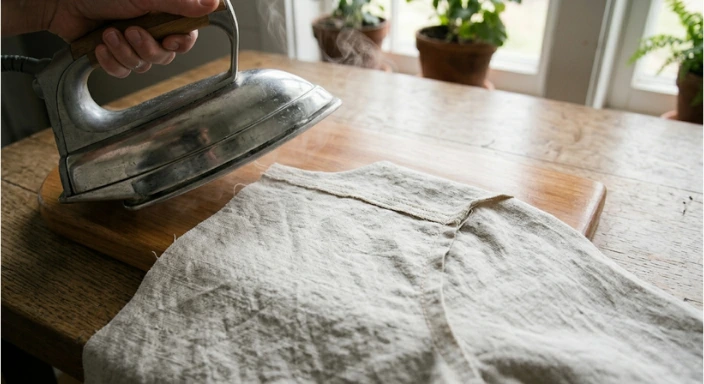
Press open or toward the back, depending on your pattern instructions.
-
Sew and finish the side seams.
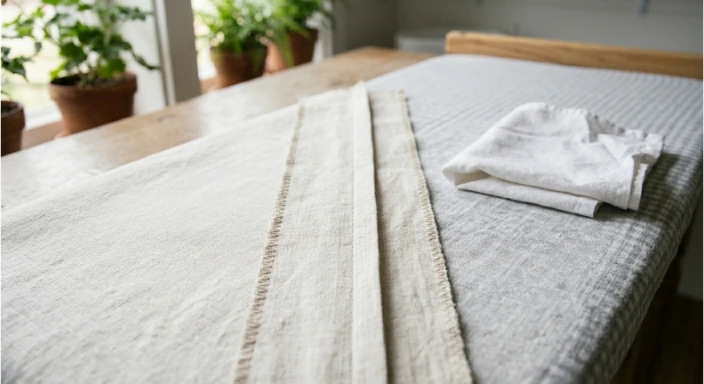
Press open.
-
Apply any neckline or armhole facing.
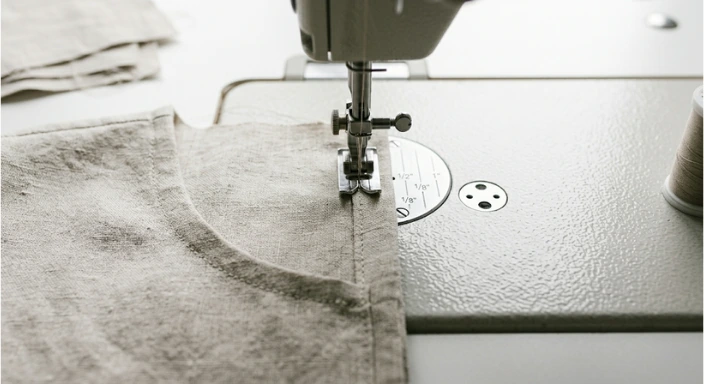
Understitch the facing before turning it to the inside. This single step eliminates the rolled-facing problem and is worth the extra five minutes.
-
Insert zipper or other closure if applicable.
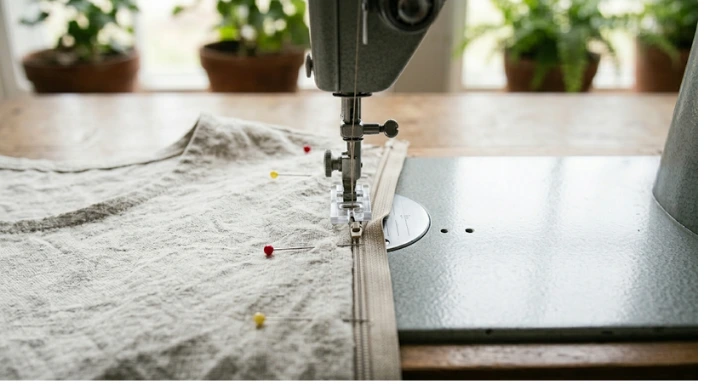
-
Hem last.
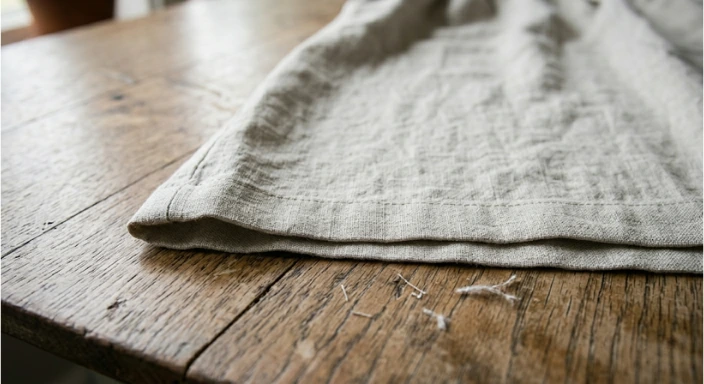
Press the hem allowance before sewing. A topstitched hem works well on linen. A hand-sewn slip stitch hem gives a more finished look.
Press after every seam. This is not optional for linen. Linen’s fiber structure responds to heat and moisture. A pressed seam lies flat and looks sewn by a professional. An unpressed seam looks amateur regardless of stitch quality. Use a pressing cloth between the iron and the right side of the fabric to prevent shine.
What Are the Most Common Mistakes When Sewing Linen?
- Skipping the pre-wash, or only washing once. One wash is not enough. The fabric needs two cycles to reach a stable, preshrunk state before cutting.
- Using the wrong needle. A dull or wrong-type needle causes skipped stitches. Start with a fresh universal 80/12 or 90/14. If stitches still skip after re-threading, go up one needle size.
- Skipping the staystitch on curved edges. Linen necklines and armholes will stretch during handling. Staystitching takes 30 seconds and saves a frustrating re-cut.
- Not pressing seams as you go. Linen does not lie flat without pressing. Press each seam before crossing it with another seam.
- Cutting off-grain. Linen cut even slightly off-grain will twist on the body and hang unevenly after washing.
Choosing a close-fitting pattern for a first linen project. Fitted linen garments are unforgiving of body measurement errors. Start loose. Save fitted styles for your second or third linen project.

- Pin-Free Cutting: Securely holds patterns in place without the need for pins, preventing fabric damage
- Versatile Fabric Compatibility: Works on any fabric type, including delicate materials, ensuring a snag-free experience
- Easy to Use: Simply place the weights on your pattern, and you’re ready to cut—no extra tools required
- Heavy-Duty Construction: Each weight is filled with steel balls and weighs 4 ounces, providing a sturdy grip that won’t budge
- Convenient and Practical: Soft design prevents any damage to fabric; weights can be easily moved as needed during cutting
Why Does My Linen Pucker, Fray, or Shrink? Troubleshooting
- Why Is My Linen Puckering at the Seams?
Puckering usually means one of three things: tension is too tight, the needle is dull, or you are sewing too fast. First, re-thread the machine from scratch. Then change the needle. Then test tension on a fabric scrap. The thread should interlace exactly in the middle of the fabric thickness, with no loops visible on either side. If puckering persists, reduce stitch length to 2.0 to 2.2mm and slow your sewing speed. - My linen dress shrank after the First Wash. What Happened?
The fabric was not pre-washed enough before cutting, or it was washed at a higher temperature than the pre-wash cycles. Going forward, always pre-wash linen at the same temperature you will use for the finished garment, and complete at least two cycles before cutting. - How Do I Stop Linen From Fraying While I Sew?
Finish each seam allowance as you go. Do not save it for the end. If you are using a standard sewing machine, run a zigzag stitch along the cut edge immediately after sewing each seam. If fraying is still a problem during handling, apply a thin bead of Fray Check to the cut edges of pattern pieces immediately after cutting and let it dry completely before sewing.
The pre-wash is the linen-dress version of that skipped step. The whole guide above exists because most beginner tutorials do not tell you that the pre-wash is the difference between a dress and a tunic.
The Bottom Line
Linen is genuinely one of the best fabrics for a beginner’s first dress, once you have pre-washed it correctly. The fiber is forgiving to press, the weave is easy to see, and the finished garment looks beautiful and expensive. The skip-step is the pre-wash. Do it twice. Use the right needle. Press every seam. The rest is standard construction.
5 Tricks That Make Sewing With Linen EASY from Seamwork
Frequently Asked Questions
-
How many times should I wash linen before sewing?
Twice, at the same temperature and dryer heat you will use for the finished garment. Most shrinkage happens on wash one. The second wash stabilizes the fabric. If it still feels stiff after two cycles, run a third, since residual sizing can keep releasing.
-
What weight of linen is best for a beginner’s dress?
Medium-weight 5 to 7 oz linen in a plain weave. It cuts cleanly, holds seam allowances well, and presses without fussing. Lightweight linen under 4 oz is harder to control, and heavyweight over 9 oz needs a stronger needle and is overkill for a summer dress.
-
Do I need a serger to sew linen?
No. A standard zigzag stitch (3 to 4mm wide) along the seam allowances controls fraying just fine. Serging is faster, but it is not required. Choose the finish that fits your equipment and how long you want the garment to last.
-
Can I use polyester thread on a linen dress?
You can, but it is not ideal for garments washed often. Polyester thread is stronger than linen fibers, so over time, it can be seen through the seam allowances at stress points. Use 100% cotton or a cotton-poly blend instead.
-
How do I store leftover linen fabric?
Fold it loosely (sharp creases can leave permanent lines) and store flat in a cool, dry place out of direct sunlight. Pre-washed linen does not need to be re-washed before your next project, but press it again before cutting.
-
Can I skip staystitching on a loose-fit dress?
Not on linen. Necklines and armholes will stretch on the bias during handling, even on a loose silhouette, distorting the finished garment. Stay stitching takes about 30 seconds per curve and prevents a problem you cannot fix later.
-
Is hand-washing linen safer than machine-washing for a finished dress?
Not necessarily. Linen is durable enough for normal machine cycles. The bigger factor is matching the wash conditions you used during pre-wash. If you pre-wash on hot, the dress can take hot. If you pre-washed on warm, stay on warm. Switching to a hotter cycle later is what causes a second round of shrinkage.
Why did you vote that way? Drop your take in the comments.