
Key Facts
The best free July 4th sewing patterns for beginners are elastic-waist skirts, tote bags, and scrunchies. All use quilting-weight cotton in patriotic prints, require straight stitches only, and finish in 30 minutes to 2 hours. Find them free at Joann.com, So Sew Easy, and the Sew Mama Sew archive.
Related: Best Beginner Sewing Machine: 2026 Buyer’s Guide
You have a week before July 4th and a voice saying “Maybe I’m just not talented enough for this.” One maker in r/sewing said it plainly: “Maybe I’m just not talented.” That voice is wrong. The right free July 4th sewing patterns are achievable in a week, even if your last project puckered and you do not know why.
What Do You Need Before You Start Sewing a July 4th Project?
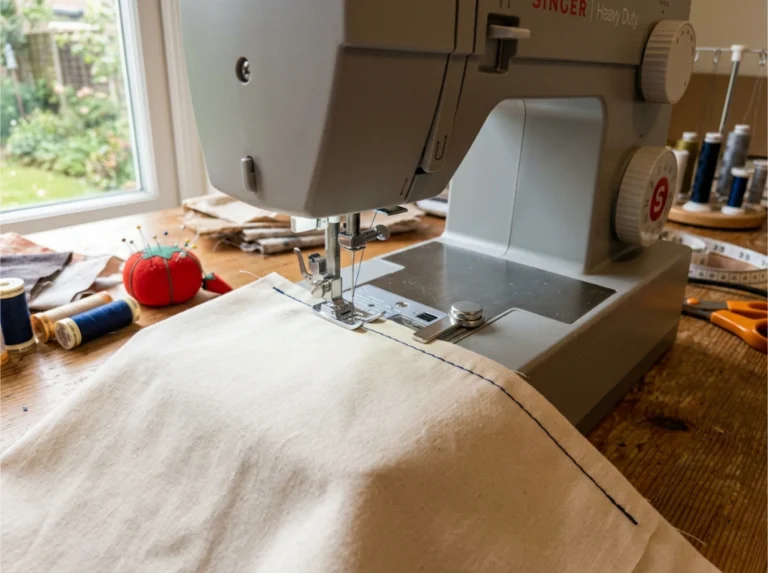
Before you download any free July 4th sewing patterns, check your machine. Nobody does it. Then there are three seams in when the thread starts looping, and they do not know if it is the tension, the bobbin, or something they broke. This five-minute check eliminates 80% of machine problems:
- Re-thread the top thread from scratch; completely remove it and start over.
- Remove and re-insert the bobbin.
- Put in a fresh needle. Dull needles cause skipped stitches on quilting cotton.
- Clean the bobbin area with a soft brush. Lint causes tension and timing problems.
- Test on a scrap of the actual fabric you are using.
If stitches look clean, you are ready. If not, fix the needle or threading before cutting.
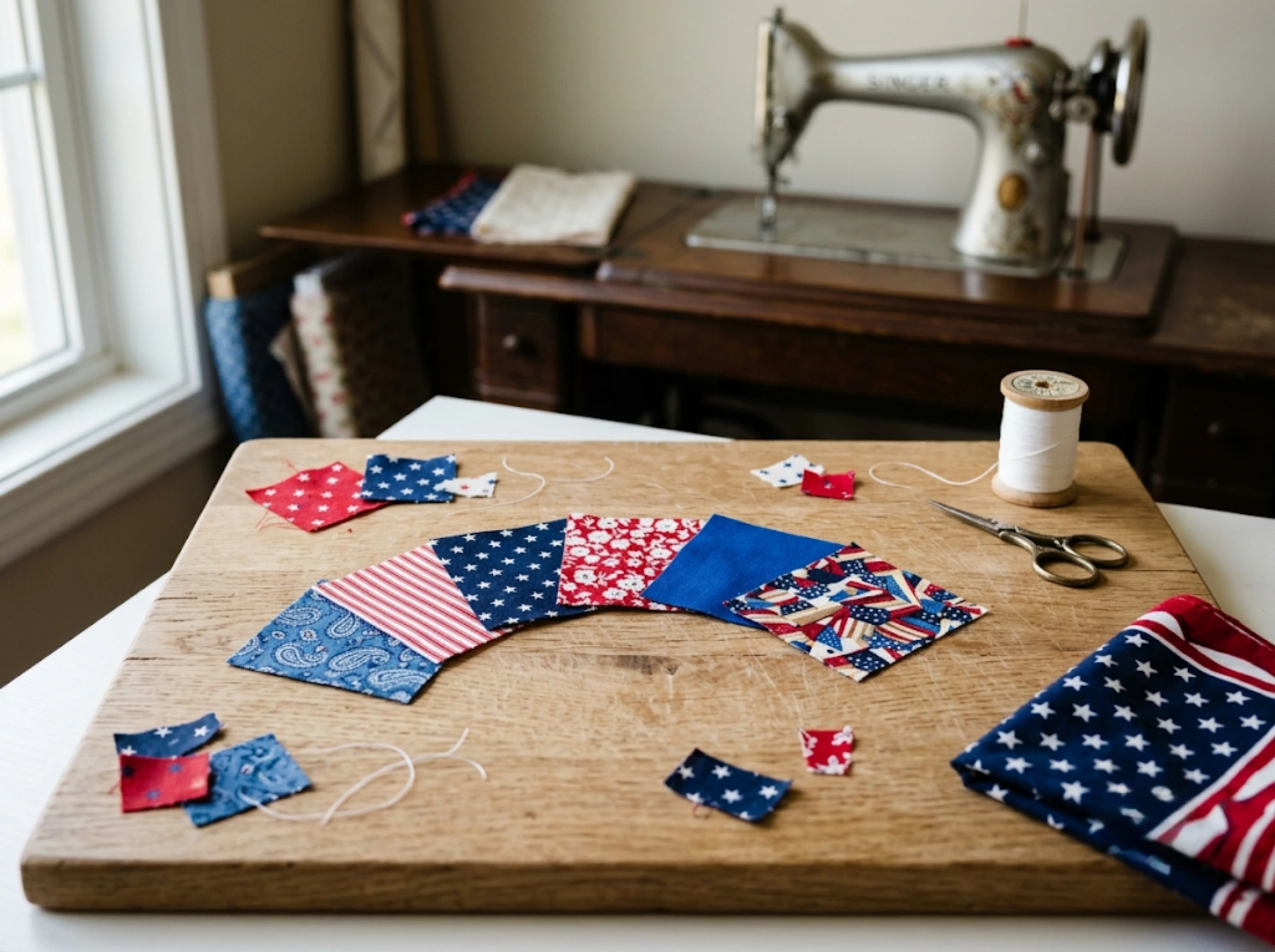
Fabric: Quilting-weight 100% cotton in patriotic prints is the right pick for every project here. It presses flat, holds its shape, and does not shift under the presser foot. Budget $4 to $10 per yard at Jo-Ann, Hobby Lobby, or Walmart. Avoid satin flag fabric (it slides) and sheer voile (requires technique you do not need this week).
Notions: Thread in red, white, or navy. 1-inch elastic for waistband projects. Pins or wonder clips. Sharp scissors and a seam ripper.
What Are the Best Free July 4th Sewing Patterns for Beginners?
Red, white, and blue quilting cotton makes almost any silhouette patriotic. Pick something achievable on your deadline.
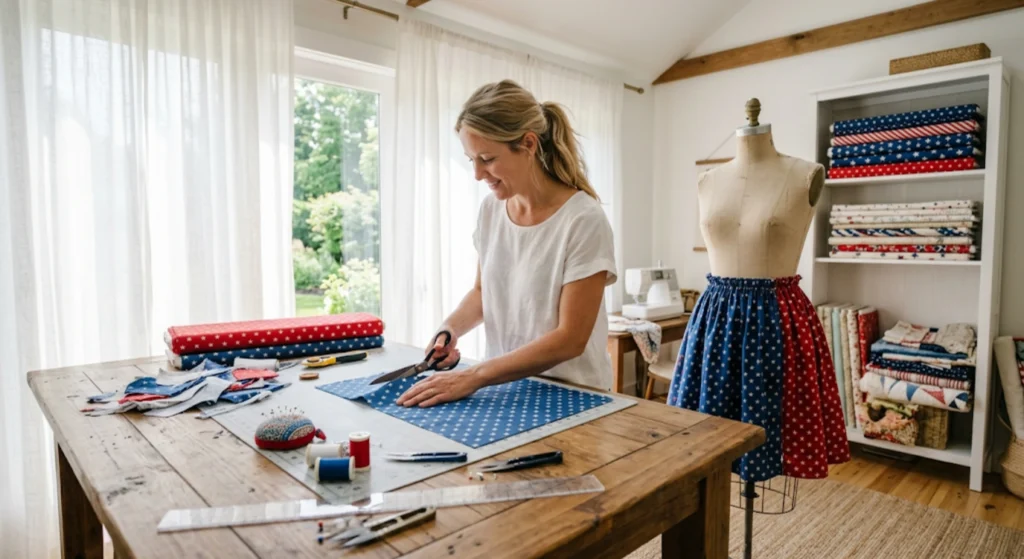
1. Simple Elastic-Waist Gathered Skirt (1 to 2 Hours) No zipper, no button, no fitting. Find free July 4th sewing patterns in this style at Joann.com or search “free gathered skirt pattern PDF.” Press every seam before crossing the next one; that single habit separates a polished skirt from a lumpy one. Fabric: 1.5 to 2 yards.
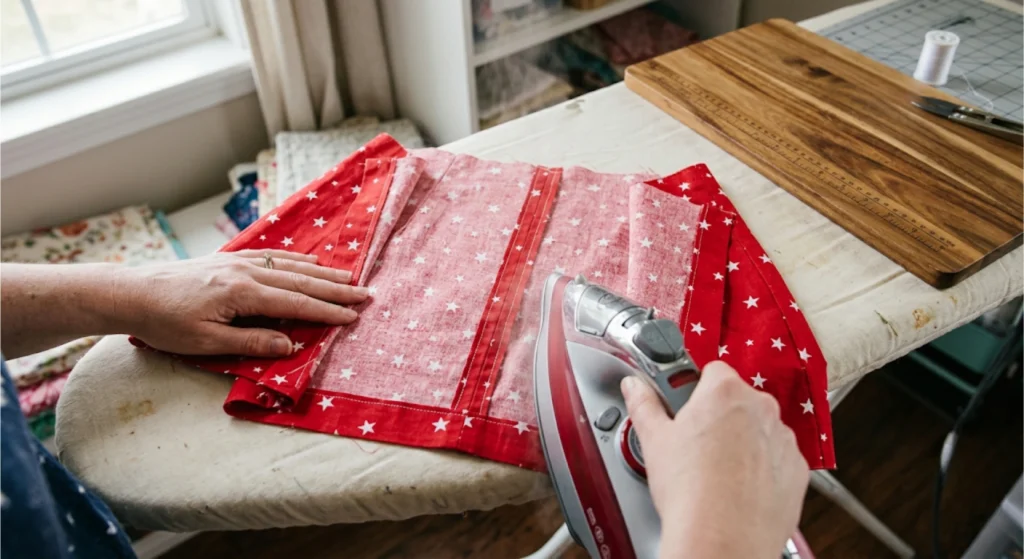
2. Bandana Top or Tied Halter (15 to 30 Minutes) Two large patriotic bandanas at $2 to $3 each. Tie version: two knots, no sewing. Stitched version: sew a casing on two sides and thread ribbon through.
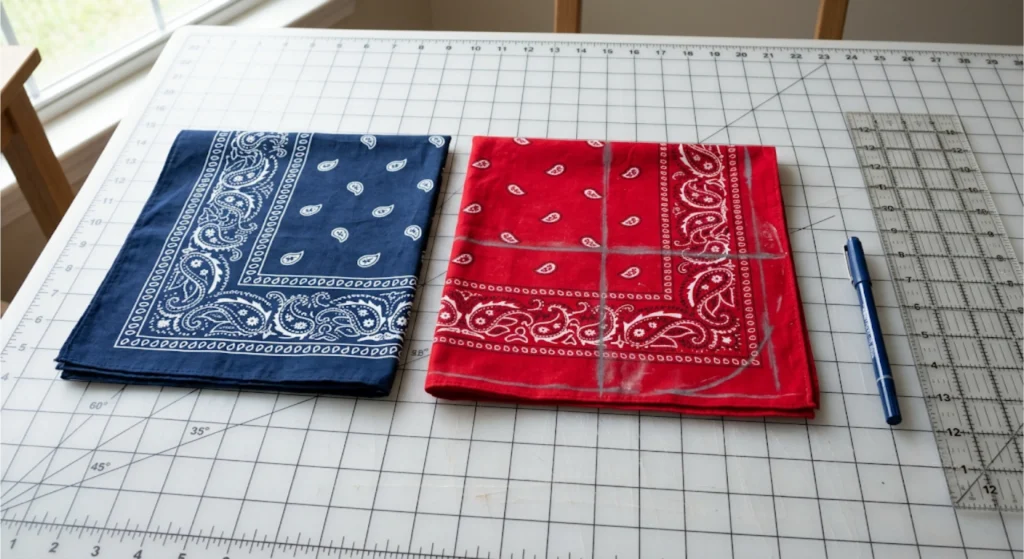
3. Patriotic Tote Bag (45 Minutes) Cut two rectangles, sew three sides, attach handles. Free July 4th sewing patterns for tote bags are everywhere; Oliver + S has a clean beginner version and Joann’s library has multiple options.
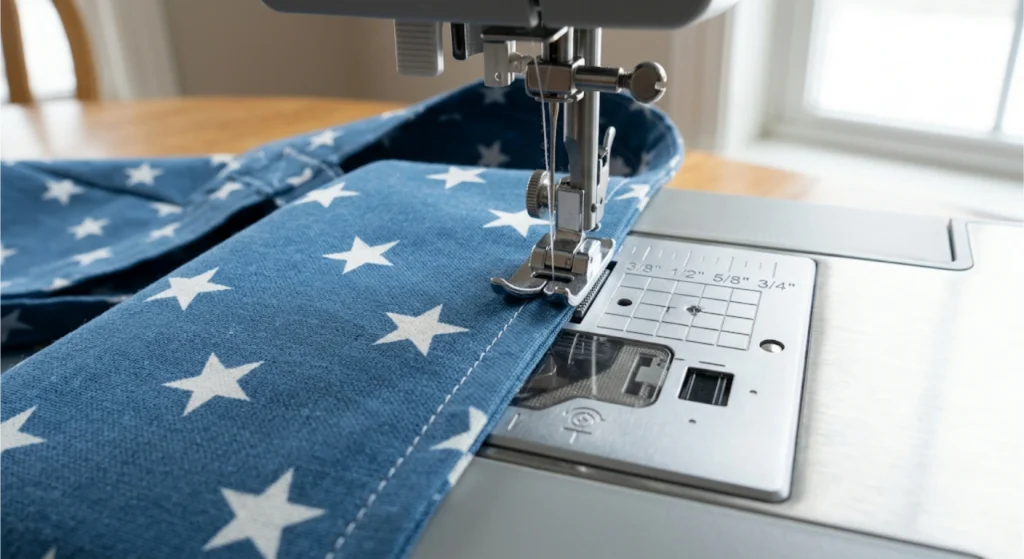
4. Child’s Gathered Sundress (2 to 3 Hours) Two gathered panels plus a bodice facing; children’s sizing is more forgiving than adults. AllFreeSewing.com has a free children’s sundress pattern with written instructions for the stage tutorials.
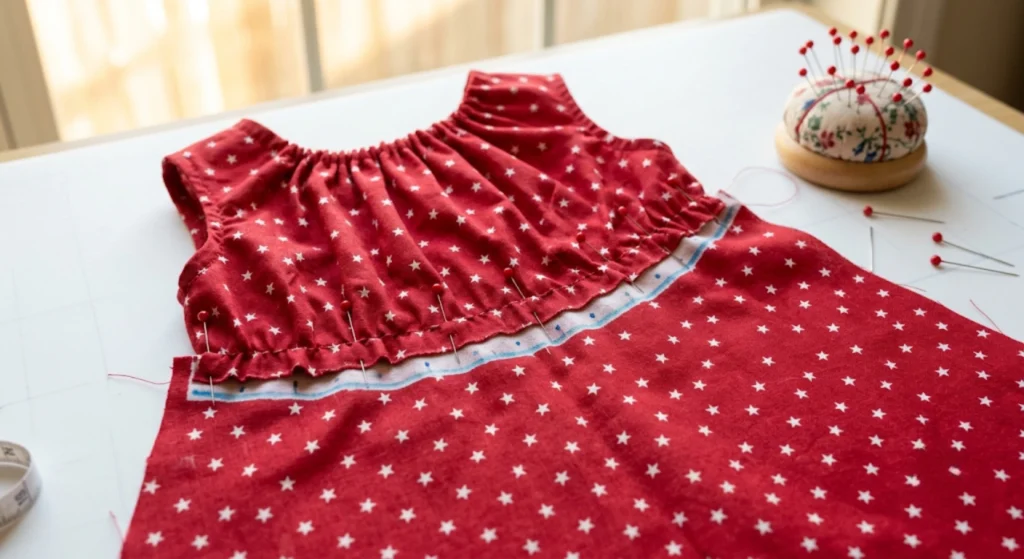
5. Patriotic Scrunchie (15 Minutes) One strip of fabric, one piece of elastic, four seams. Scrunchies use up remnant fabric from any bigger project.
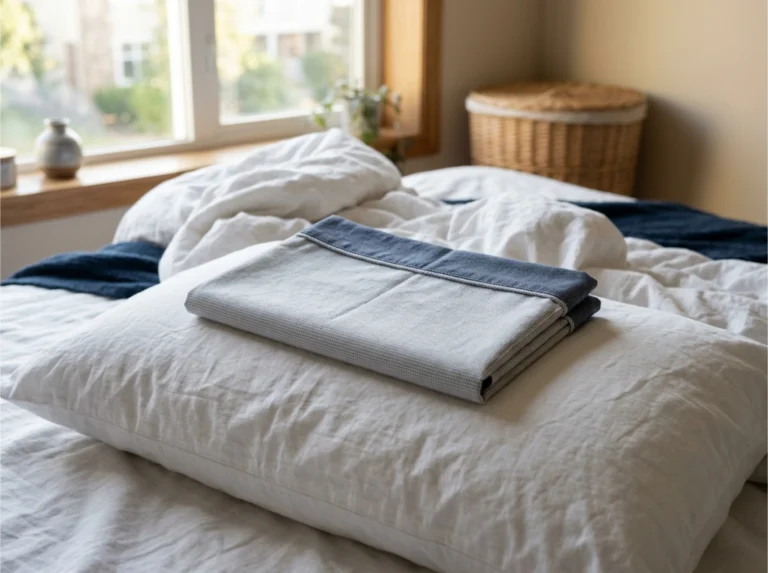
6. Flag Print Pillowcase (30 Minutes) No wearing pressure, and the construction teaches the envelope closure, which transfers directly to garment plackets later.
7. Simple A-Line Skirt (2 to 3 Hours, Intermediate) The natural next level after a gathered skirt. Free July 4th sewing patterns in this silhouette are at the Sew Mama Sew archive; choose the version with an elastic waist before attempting an invisible zipper.
8. Stars and Stripes Table Runner (30 to 45 Minutes) Four straight seams and a backing piece. Make something for the party when wearables feel like too much pressure this week.
Which Fabric Works Best for July 4th Sewing Projects?
Quilting-weight 100% cotton presses flat, holds its shape, and does not shift under the presser foot. Knit fabrics in flag prints work but require a stretch stitch and a ballpoint needle. Skip satin flag fabric entirely: it slides and frays.
How Much Fabric Do I Need for a Beginner July 4th Project?
Elastic-waist skirt: 1.5 to 2 yards. Tote bag: 0.75 yards. Child’s sundress: 1.5 to 2 yards. Scrunchie: a scrap. Quilting cotton averages $6 to $10 per yard; a complete gathered skirt runs $12 to $18. All free July 4th sewing patterns cost nothing; you pay for yardage only.
Can You Sew a July 4th Outfit in One Week?
Yes. All of these free July 4th sewing patterns can be finished in a week:
- Day 1: Download and print your pattern. Do the machine pre-check. Buy fabric.
- Days 2 and 3: Cut your pieces. Sew the main seams.
- Day 4: Finish seams (serge, zigzag, or pink). Add elastic or any closure.
- Day 5: Press everything and try it on. Make any adjustments.
- Day 6: Touch up and final press. Done.
- July 4th: Wear it.
Do not skip Day 5. The try-on before the holiday is the difference between wearing a garment and having a “nice try” in the closet.
What Are the Most Common Mistakes Beginners Make on July 4th Sewing Projects?
- Skipping the machine pre-check. The most common mistake with free July 4th sewing patterns. Check on scrap first, every time.
- Choosing a pattern too complex for a deadline. A lapped zipper with a fitted bodice is a great project, not a one-week July 4th project.
- Not pressing seams before crossing them. An unpressed seam creates a lumpy intersection. Press every seam before the next one.
- Cutting flag-print fabric without planning motif placement. Stripes should run vertically unless you have decided otherwise.
- Threading elastic without a safety pin on the end. It will get lost in the casing. Always pin a large safety pin to one end before threading.
- Forgetting to backstitch at every seam start and end. Skip this and the seam pulls apart after the first wear.
How Do I Fix Common Problems When Sewing a July 4th Project?
- Puckered seams: Re-thread completely and test on a scrap. Nine times out of ten it is the threading or the needle.
- Elastic waist off: Unstitch a short section at the opening, adjust the elastic, and re-sew. Do not cut the casing open.
- Skipped stitches on quilting cotton: A fresh universal needle, size 80/12, eliminates skipped stitches in 90% of cases.
- Seam pulling apart at stress points: Add a second row of stitching 1/8 inch inside the first. At waistbands, stitch twice.
What Should I Sew After My First July 4th Project?
You just proved you can take free July 4th sewing patterns and make real garments from them. Most people who say “I cannot sew” have never finished a project. You have.
After a gathered skirt, try a pull-on pants pattern using the same waistband technique. After the tote bag, try a zippered pouch. Each project unlocks the next one.
Grab the Beginner Sewing Starter Kit for the full progression: pattern list, fabric guide, and machine setup checklist in one free download.
Disclosure: The Beginner Sewing Starter Kit is a free lead magnet. Some links may be affiliate links.
Browsing free July 4th sewing patterns is the easy part. Pick one. Finish it. Wear it.
Check this video from ILoveQuiltingForever‘s Fourth of July Mug Rug Quilt Patterns to Celebrate Independence Day.
Frequently Asked Questions
-
Where can I find free July 4th sewing patterns?
The most reliable sources are Joann.com (filter by “free” under patterns), the So Sew Easy blog, the Sew Mama Sew archive, Oliver + S free patterns, and AllFreeSewing.com. For kids’ patterns specifically, Patterns for Pirates has free options that walk through each step rather than assuming prior knowledge. Search “free [garment type] PDF pattern” and sort by most recent. July is when patriotic patterns get shared most actively.
-
What are the easiest patriotic sewing projects for beginners?
An elastic-waist gathered skirt in red, white, and blue quilting cotton takes 1 to 2 hours and looks completely polished. A tote bag takes 45 minutes. A scrunchie takes 15. Any of these makes you a person who sewed something for July 4th, and that is exactly the kind of win that builds into the next project and the one after that.
-
How do I sew a July 4th outfit without a pattern?
The no-pattern approach works best for an elastic-waist skirt. Measure your waist and add 1 inch for seam allowance. Decide the skirt length and add 2 inches (1 for the hem, 1 for the casing). Cut a rectangle, sew the short ends into a tube, fold the top down 1.5 inches, press, stitch leaving a 2-inch opening, and thread 1-inch elastic through. No pattern required.
-
What needle should I use for quilting cotton?
Use a fresh universal needle, size 80/12. A dull or wrong-size needle causes skipped stitches on quilting cotton in the majority of cases. Replace the needle before every new project. It takes 30 seconds and solves more machine problems than any other single adjustment.
-
Can I sew a July 4th outfit if I have only sewn one or two things before?
Yes, with project selection being the key decision. An elastic-waist skirt, a tote bag, or a scrunchie requires only straight stitches and one construction skill each. Choose the project that matches the skills you have already confirmed, not the one that looks most exciting on the pattern envelope. Save the exciting one for right after July 4th, when there is no deadline pressure.
-
Why do my seams pucker on cotton fabric?
Puckered seams on cotton are almost always a threading problem or a needle problem. Re-thread the machine completely from scratch, put in a fresh 80/12 universal needle, and test on a scrap of the same fabric before touching your project piece. If the problem continues, check that the bobbin is seated correctly and that the thread is not caught in the bobbin case.
-
How do I keep the elastic from twisting inside a waistband casing?
Attach a large safety pin to one end of the elastic before threading it through the casing. Hold the other end with a second pin clipped to the fabric at the opening so it does not get pulled inside. Thread the safety-pinned end completely through, overlap both ends by 1 inch, and stitch back and forth three times before trimming. The overlap prevents twisting during wear.
Why did you vote that way? Drop your take in the comments.