
Image via Etsy
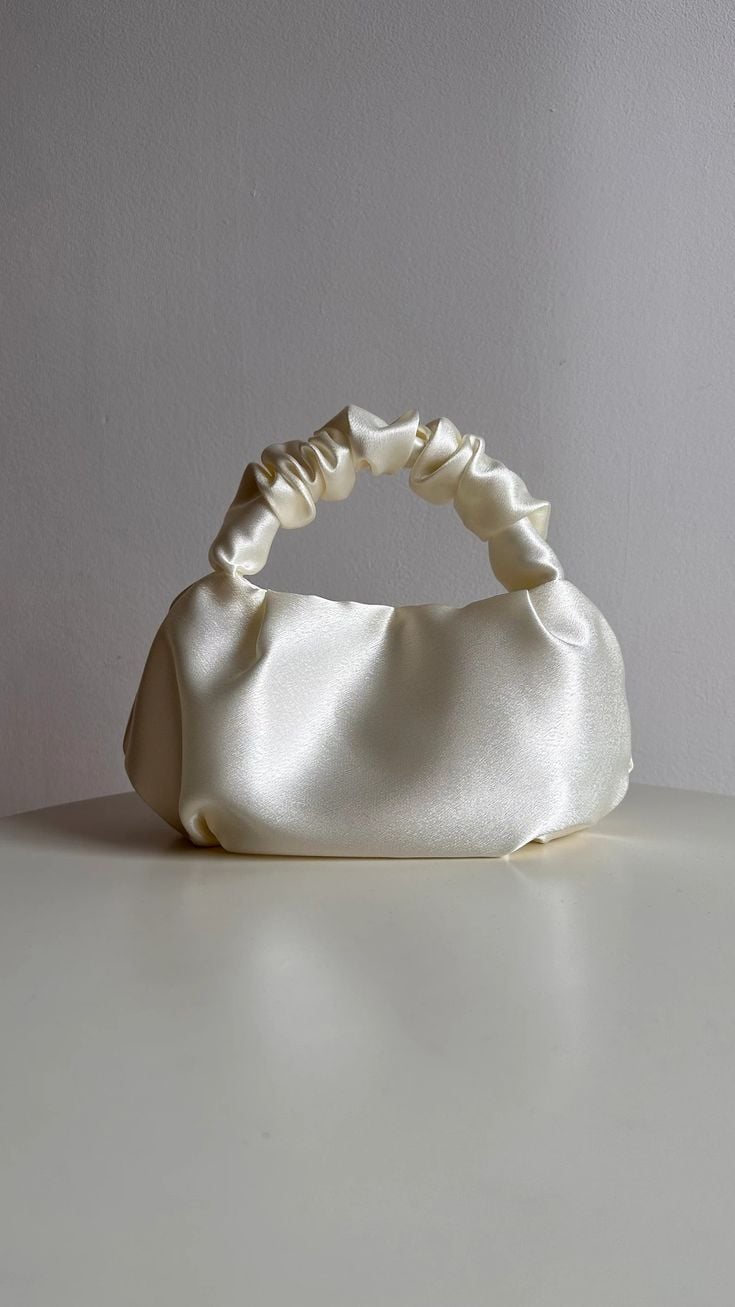
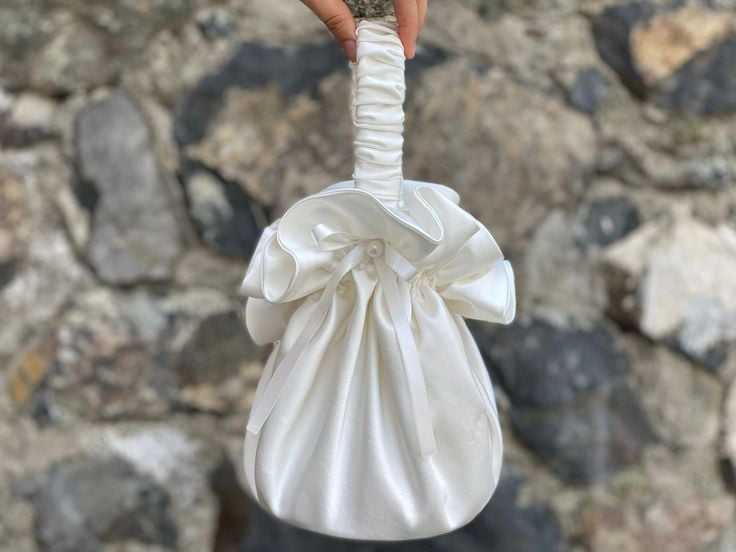
Some designer techniques are implemented purely for the enjoyment of the person wearing the garment. In elevating a garment to couture status, there often are many unsung, unseen heroes. The satin pocket bag is one of these elements; a luxurious detail, not meant to be seen by the casual observer, but sure to enhance the mood of the wearer.
How nice it will be when the sumptuous feel of satin greets your fingers when you slip your hand into your pocket? This technique is explained for a front waist pocket on trousers, but you could adapt it for any pocket that requires a separate bag.
TL;DR: Satin Pocket Bags
- Satin pocket bags are a couture detail where the inside of the pocket is made from smooth satin, adding hidden luxury and comfort for the wearer.
- The technique involves drafting or using a standard pocket pattern, then cutting the pocket bags from satin instead of regular pocketing fabric.
- You stabilize the pocket opening with silk organza, attach the satin facing/bag to the trouser front, then join the side-front bag to the side panel.
- Finally, you align the trouser front and side front, sew the satin bag pieces together, and finish the edges, creating a deep, durable, and beautifully smooth pocket interior.
Related: Handmade Holiday Gift Bags: How to Wrap Gifts Sustainably with Style!
Satin Pocket Bags: Prepare the pieces
1. Draft the pattern
Determine the size and shape of the pocket opening. You should be able to slide your hand into the pocket with ease. A 15cm (6″) opening is standard for a waist pocket. You should not need to adapt the commercial pattern if you are using one, other than to use satin for the pocket bags.
2. Cut the pieces
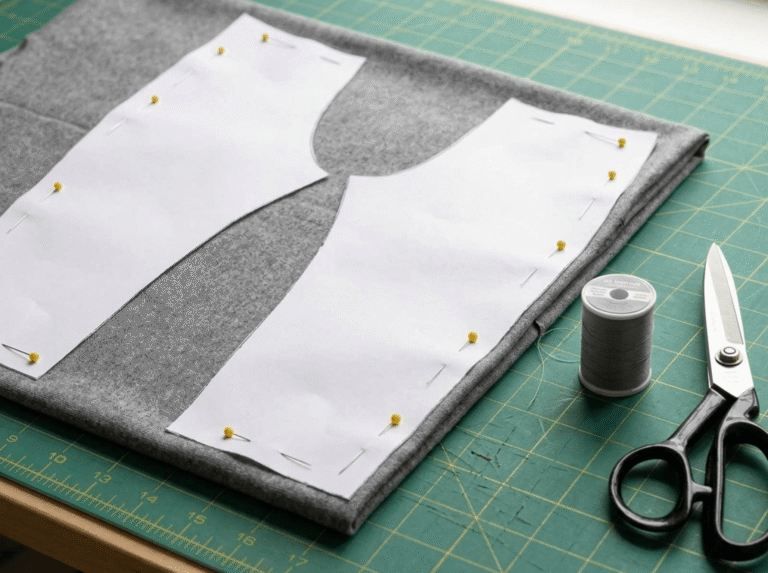
Cut the trousers front and side from your fashion fabric. Cut the front facing/bag and the trouser side-front bag from the satin.
Notes:
- It seems that most ready-to-wear is outfitted with short pocket bags, which are not safe to hold valuables. You may make your bags as deep as you like.
- Satins come in different weights. If you want a more durable bag, use a heavier satin.
- The point for adding a pocket during the trouser construction may vary depending on your pattern or your preference. Incorporate this method at the appropriate time for the garment you are making.
Satin Pocket Bags: Stabilize the opening
3. Tape the opening with silk organza
Cut a straight-grain strip of silk organza about 3cm (11⁄4“) wide and as long as the pocket opening. Press it in half lengthways. Lay the trousers front wrong side up; center the organza strip directly over the seamline on the pocket opening. Stitch in place, clipping the organza as needed around
4. Staystitch the pieces
Staystitch the pocket opening edge of the trouser front facing and the side-front bag. Also, staystitch the waist seamline of the trouser front and trouser side front
Sew the facing/bag to the trouser front
5. Attach the pieces
Place the trouser front and facing/bag right sides together, with the raw edges of the pocket opening aligned. Sew them together. Trim and clip the seam allowances. Press the seam open
6. Turn and stitch the edge
Turn the facing/bag to the inside of the trouser front along the seam. Press the seam edge. From the right side, topstitch through all thicknesses close to the edge.
Satin Pocket Bags: Sew the side-front bag to the side front
7. Attach the pieces
On the inside curved edge of the side-front bag, clip the seam allowance up to the staystitching. Then, with right sides together and raw edges aligned, pin and sew the inside curve of the bag to the bottom (outside curve) of the side front.
8. Unfold and stitch the edge
Unfold the pieces so that they lie flat and the bag extends from the side front. Press the seam allowance towards the bag. Overlock-finish the raw edges of the seam allowance together if you wish. From the right side, topstitch through all thicknesses close to the seam
Complete the pocket
9. Align the side front and front
Lay the side front right side up. Position the trousers front right side up on top of it, aligning the waist and side edges. Pin together along the pocket opening
10. Sew the bag pieces together
Turn the work over. Smooth the satin pocket bag layers to be sure they are flat; pin together along the outside edges (leave free from the trouser front). Sew the pocket bag layers together along their outside edge from the waist, along the bottom, and up the side to wherever they intersect with the side seam on the trouser side-front. Overlock-finish the edge of the seam allowance if you wish.
Have you tried this technique yet? Let us know how these Satin Pocket bags worked out for you in the comments below!
We aim to feature the hottest trends in the sewing world, so get in touch if you can contribute! WRITE FOR US!
Editor’s Note: This post was originally published on October 6, 2022, and has been updated for quality and relevancy.