
TL;DR: Silk Cami Tutorial: Sew an Elegant Top Without a Pattern
- You can create a luxe silk camisole using just your own measurements, no printed pattern required.
- Key steps include cutting two rectangles based on bust and length, shaping a gentle neckline, sewing French seams for clean edges, and adding straps from bias strips.
- Use appropriate materials and techniques for silk: choose lightweight silk (charmeuse or crepe de chine), a Microtex needle, shorten stitch length for better control, and press gently with a cloth.
- Finish by hemming carefully (fold 5mm, then again, top-stitch) and pressing all seams for a polished result that feels professional.
- The end piece is versatile: it works under a jacket or on its own, and making it yourself gives a custom fit and fabric choice.
There’s something quietly luxurious about silk against the skin. On a warm day, it feels cool and weightless, like a soft breeze slipping over your shoulders. When layered under a sweater, it feels smooth and not bulky.
What if you could sew a top that captures that luxe? In this tutorial, you’ll learn how to sew a silk camisole without using a pattern. Ready to stitch an everyday luxury piece? Gather your silk and let’s get started.
Related: How To Sew Without Pattern | Fashion Sewing Tips
Why Sew a Silk Cami?
Silk camisoles are more than just pretty underthings. They’re versatile wardrobe staples that add softness and elegance to your everyday outfits. You can’t tuck it into jeans or let it peek out from under a cardigan. Either way, a well-made cami can shift easily from day to night.
Additionally, sewing one yourself lets you customize the fit and fabric. You also get to choose a high-quality silk fabric, especially now that store-bought versions are often made from synthetic blends.
Materials You’ll Need
- Lightweight silk (charmeuse, crepe de chine, or similar)
- Matching thread
- Microtex (sharp) sewing needle
- Measuring tape
- Fabric scissors or rotary cutter
- Pins or fabric clips
- Iron and pressing cloth
- Sewing machine
- Bias tape maker or safety pin (optional)
- Lightweight silk (charmeuse, crepe de chine, or similar)
Step-by-Step Instructions
Here’s how to sew a silk cami:
1. Measure and Cut the Fabric
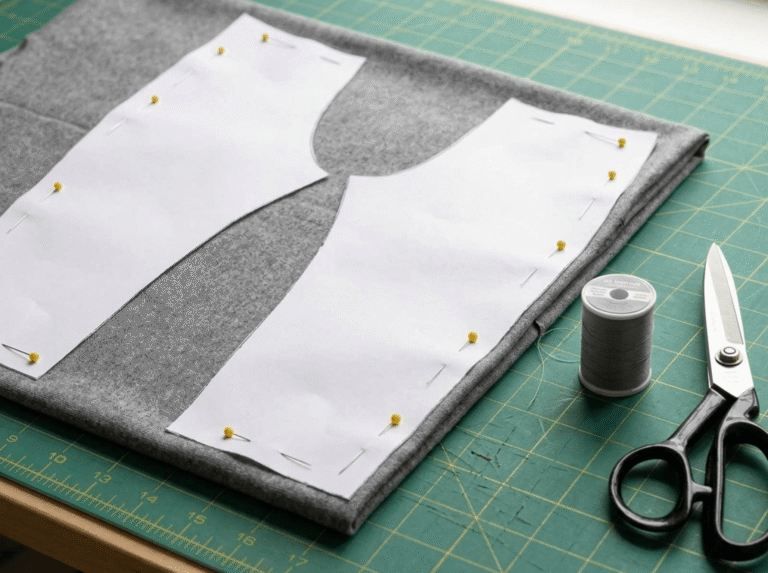
Use your bust measurement and add about 4 cm for ease and seams. Then, measure from the top of your bust to the desired cami length. Using your measurements, cut two fabric rectangles: one for the front and one for the back.
2. Shape the Neckline
Fold each rectangle in half widthwise. On the folded edge, draw a gentle curve dipping down from the fold to create a soft neckline. Cut along the drawn curve while the fabric is still folded, so the neckline stays symmetrical.
3. Sew the French Seams (Side and Shoulder)
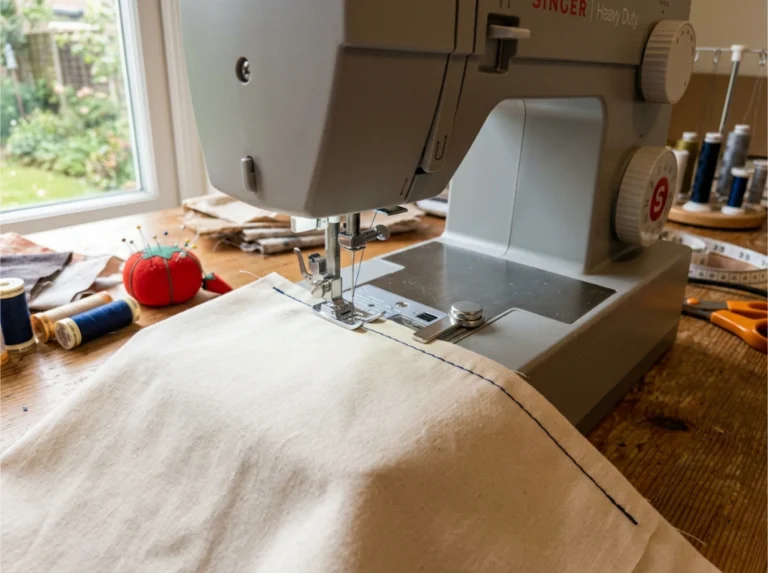
With the wrong sides of the fabric facing each other, sew the side and shoulder seams using a 1 cm seam allowance. Then, trim the seam allowance close to the stitching. Press the seams flat, then place the panels with right sides together and sew again with a 0.5 cm seam to fully encase the raw edges.
4. Create and Attach the Facing
Cut narrow bias strips from your silk scraps long enough for them to run along the neckline and both armholes. Next, pin the bias strips to the right side of the garment and align the raw edges. Sew the strips in place, then flip them to the inside. Press gently, and understitch the seam allowance to the facing if desired, to help it lie flat.
5. Make and Turn the Straps
Cut two long fabric strips about 2 cm wide and as long as the distance from your underarm to your shoulder. Afterward, fold each strip in half lengthwise with the right sides together. Sew along the open edge, then turn the strip right side out using a safety pin or loop turner. Press the finished straps flat.
6. Attach the Straps
Try the cami on or hold it up to your body to check where the straps should go. Then, pin the ends of each strap to the inside top corners of the front and back panels. Make sure the straps aren’t twisted, then sew them securely in place.
7. Hem the Bottom Edge
Fold the bottom edge up by about 5 mm and press it. Then, fold it up again to enclose the raw edge, then topstitch close to the fold to create a neat, low-bulk hem.
8. Give It a Final Press
Finally, press all seams and edges gently using a pressing cloth and low heat. Take your time to give the cami a neat finish.
Tips for Sewing with Silk
Silk may feel slippery, but it’s also incredibly forgiving when handled with care. Here are some beginner-friendly tips to help you glide through the sewing process:
- Use the right needle: A Microtex needle is your best friend. It’s fine and sharp, so it won’t snag the silk.
- Shorten your stitch length: Smaller stitches offer better control and reduce puckering.
- Press gently, and always use a cloth: Silk can scorch or shine easily. A cotton pressing cloth is a must.
- Test first: Always try your seam settings by sewing a scrap piece of your silk first before diving into the real thing.
- Keep it steady: Silk can shift around. Try cutting it on top of tissue paper or a felt mat for more grip.
- Baste curved edges: For tricky spots like the neckline, hand-basting can help keep things in place without stretching or warping.
Silk Cami Makes Every Day a Little Luxe
You don’t have to reserve your silk cami for something fancy. Try it under a denim jacket for coffee runs or tuck it into linen shorts during hot days.
How will you style your silky piece?
Frequently Asked Questions
- Can I sew a silk cami without a pattern?
Yes! This tutorial uses your own measurements, so no printed pattern is needed. - Is it beginner-friendly?
Absolutely. The steps are simple and explained clearly, with tips to help you along the way. - What type of silk should I use?
Lightweight options like charmeuse or crepe de chine work best for their softness and drape. - Do I need special tools?
Just a regular sewing machine, a sharp needle, and a pressing cloth. No serger or extras required. - How much fabric will I need?
About ¾ to 1 yard is usually enough, depending on your size and desired length.