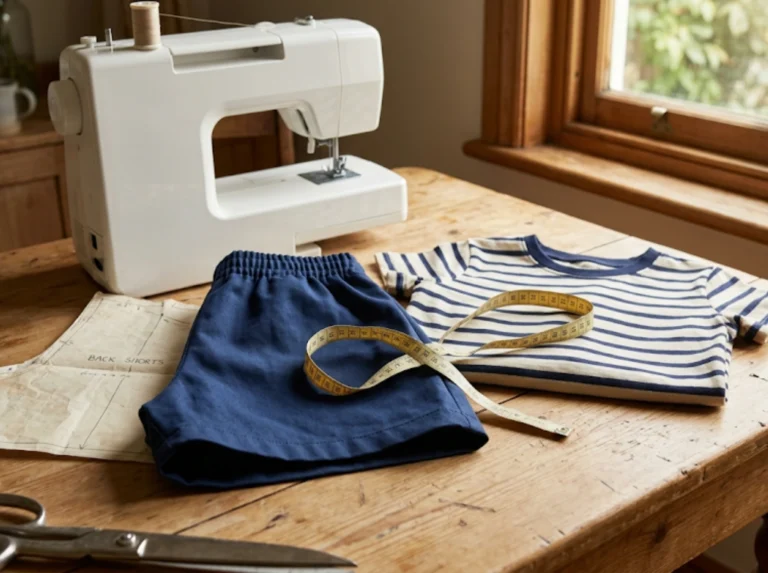
Have you ever wished for a warm, calming hug every time you need it? Weighted lap blankets bring that soothing feeling right to your fingertips. They can help you relax while you work, watch TV, or wind down after a long day. And here’s the exciting part: you can make one yourself! Just a few materials and some simple sewing, and you’ll have a cozy, custom blanket ready to go.
Why Weighted Lap Blankets Are a Must-Have
Weighted lap blankets aren’t just trendy—they’re helpful, too. They apply gentle, even pressure that helps calm your nervous system. Aside from that, they help reduce stress, enhance focus, and improve sleep quality. Plus, their smaller size makes them super convenient for on-the-go use. Whether sewing for yourself or creating a gift, these blankets are a thoughtful, practical project.
What You’ll Need 🧵
- Fabric
- Filling
- Thread
- Sewing Machine
- Measuring Tools
- Washable Marker
- Pins or Clips
The Health Benefits of Weighted Lap Blankets
Weighted blankets aren’t just about comfort; they also provide a range of mental and physical benefits.
- Stress Relief: The gentle pressure, called deep pressure stimulation, can help reduce cortisol levels. Lower cortisol means less stress and a calmer mood.
- Improved Focus: Many people use weighted lap blankets to stay centered during work or study. This can be particularly helpful for children with ADHD or sensory needs.
- Enhanced Sleep Quality: While full-sized weighted blankets work best for bedtime, lap blankets offer a perfect relaxation option during the day.
Let’s Sew Your Blanket!
1. Prep Your Fabric
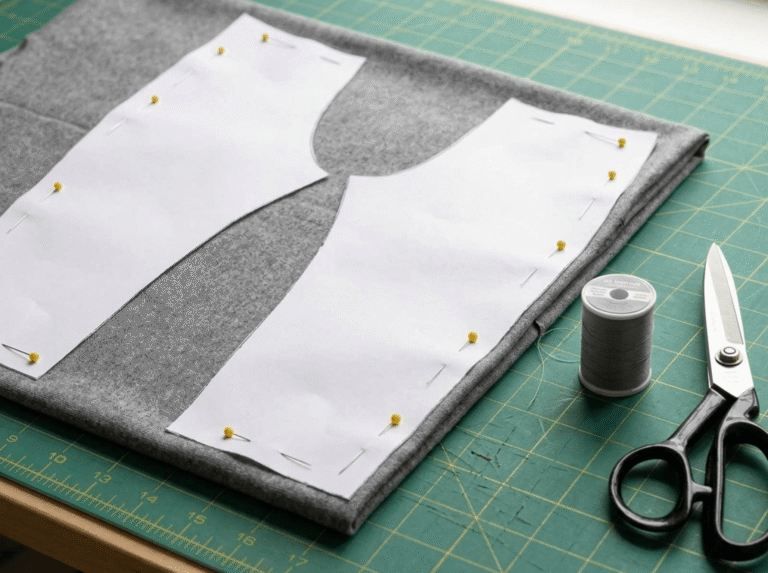
Start by washing and drying your fabric. This prevents shrinking after your blanket is complete. Then, iron the fabric flat to remove wrinkles and make cutting and sewing easier.
2. Assemble the Layers
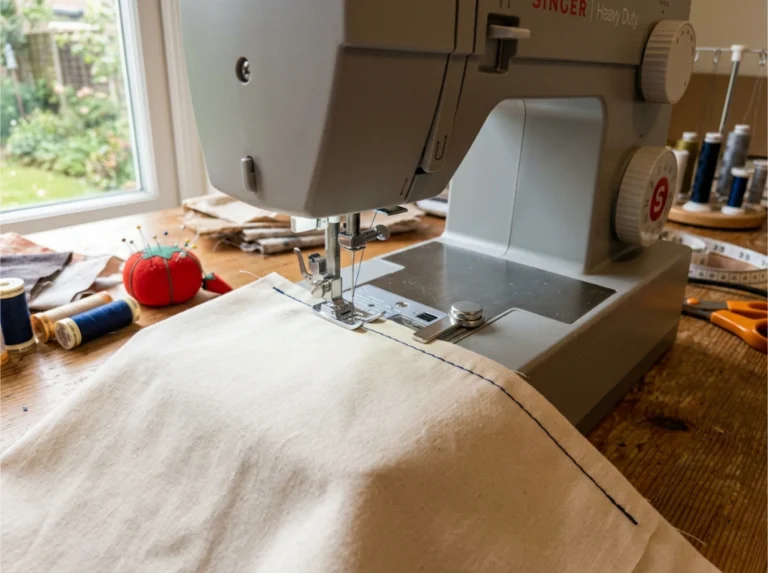
Lay the two fabric pieces on top of each other with the right sides facing in. Pin or clip around the edges and leave one short side open. Afterward, sew along the three pinned edges with a half-inch seam allowance. Then, turn the fabric right-side out and press the seams flat.
3. Mark Your Grid
Take your ruler and a washable marker to draw a grid. Squares measuring about 3″ x 3″ are a good size for evenly distributing the weight. This ensures the filling won’t shift around later.
4. Add the Filling
Pour 1–2 teaspoons of poly pellets or glass beads into each square. Take your time distributing the filling evenly, as this keeps your blanket balanced and comfortable to use.
5. Seal Each Row
After filling the squares, sew horizontally to secure the filling. Repeat this process row by row and ensure every square stays properly sealed. This requires patience, but it’s worth it for a polished final product.
6. Close the Final Edge
Fold the open edge inward, pin it, and sew it shut. Use a double stitch for added durability. Finally, give the blanket a good shake to ensure everything stays in place.
Common Challenges and How to Fix Them
Even simple projects can come with a few hiccups. Here’s how to handle them like a pro:
- Uneven Filling: If your grid squares aren’t even, the weight distribution will feel off. Double-check your measurements before sewing to avoid this.
- Leaking Pellets: This happens when seams aren’t secure. Use a tight stitch and backstitch at the start and end of every seam.
- Bulky Edges: Overlapping fabric can make the edges bulky. Trim excess fabric at the seams before turning the blanket right-side out.
Make It Uniquely Yours
Customizing your weighted lap blanket is half the fun. Here are a few ideas to make it special:
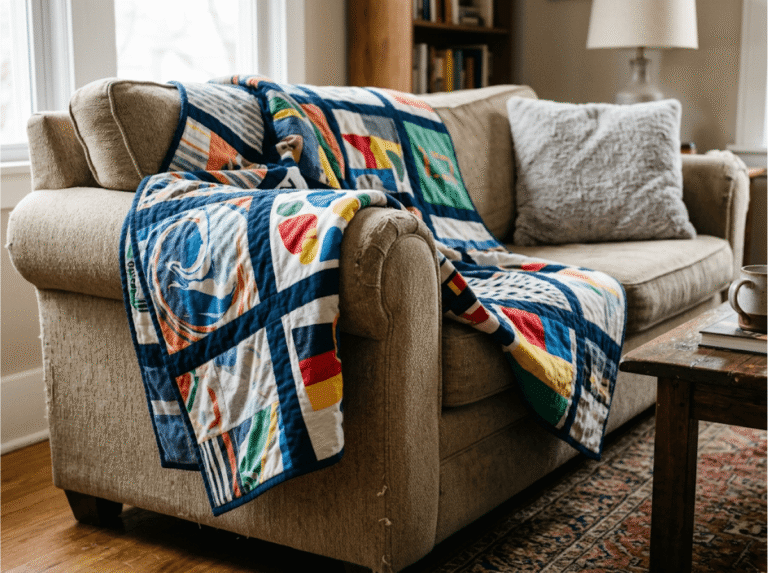
- Choose Bold Fabrics: Use vibrant prints or soothing solid colors to match your style or mood.
- Add Personal Touches: Embroider a name or applique fun shapes to make it unique.
- Experiment with Sizes: Create smaller versions for kids or larger ones for extra comfort.
How to Use Your Weighted Lap Blanket
The best part about weighted lap blankets is how versatile they are. Use one while watching TV to relax after a long day. They’re also perfect for staying focused during work or study sessions. Kids love them for quiet time or car rides, and they’re great for meditating or simply unwinding. The compact size makes them easy to take anywhere, so you’ll never be without a little extra calm.
Wrapping It Up
Weighted lap blankets are easy to make and endlessly useful. Whether you need stress relief, improved focus, or just a cozy companion, this project has you covered. Plus, the process of sewing one yourself is satisfying and fun.
So, grab your materials and get started! You’re just a few stitches away from creating your new favorite blanket.
FAQs About Weighted Lap Blankets
Q: Can I use rice or beans instead of poly pellets?
A: It’s not recommended since they absorb moisture and can develop mold.
Q: How heavy should my blanket be?
A: Aim for 10% of the user’s body weight for optimal comfort.
Q: Are they safe for kids?
A: Yes, but always supervise use and consult a doctor for weight recommendations.
Q: How long does it take to make?
A: Most people complete one in about 2–3 hours.
Q: Can I wash it?
A: Hand washing is best, but a gentle machine cycle works too.
Q: What size works best?
A: An 18″ x 24″ blanket is ideal for most adults. Adjust smaller for kids.
Q: Where can I buy poly pellets?
A: Check local craft stores or online retailers like Amazon.
Q: Can I make it without a sewing machine?
A: Yes, though hand stitching takes longer and requires extra care.
Q: What fabrics work best?
A: Flannel, cotton, or fleece are all soft and comfortable options.
Q: Is it good for pets?
A: Absolutely! Pets often enjoy the calming pressure too.