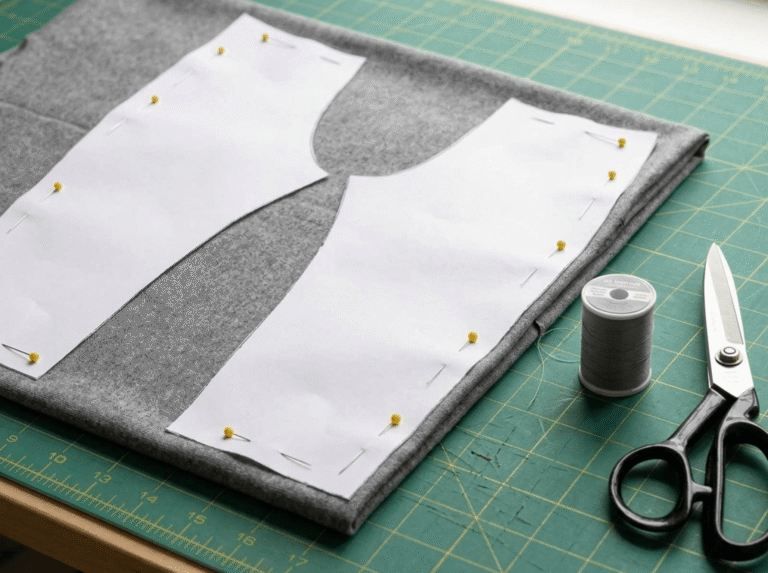
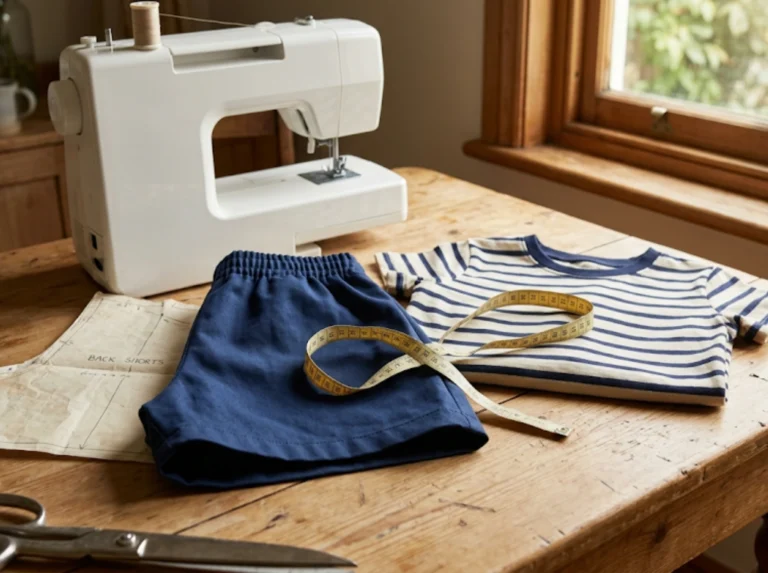
Ever wish your favorite tank top or summer dress had more coverage to handle the colder fall weather? A few alterations such as adding a mock-turtleneck yoke or jersey sleeves will do the trick. This guide contains projects that transform time-honored summer staples into fall‑ready pieces.
Add Lace or Ribbon Trim to a Sleeveless Top
As the crisp air moves in, that favorite sleeveless top doesn’t quite fit the new season. But don’t hide it just yet! You can easily add lace or ribbon trim to your tank top to transform it into a fall-appropriate piece.
You’ll Need:
- Sleeveless cotton top
- 1 yd lace or ribbon trim
- Matching all‑purpose thread
- Sewing machine
- Straight pins
- Fabric chalk or washable marker
- Measuring tape
- Sharp fabric scissors
- Iron and ironing board
- Seam ripper
Steps:
- Mark Trim Placement
Lay the top right‑side up on your ironing board. Position a measuring tape along the neckline and draw a chalk guideline ¼ inch below the raw neckline edge. Move to the bottom hem and draw a second guideline ¼ inch above the raw hem edge. - Measure and Cut Trim
Measure the length of each chalk line: front neckline, back neckline, front hem, and back hem. Add ½ inch to every measurement for seam allowances, then cut four trim strips to the adjusted lengths. - Prepare Trim Ends
Place one cut strip on the ironing board with the wrong side facing up. Fold ¼ inch of each short edge toward the wrong side to hide the raw ends. Then, press the folds flat with the iron. Repeat this folding and pressing for the remaining three strips. - Pin Trim to Neckline
Align one neckline strip right‑side down on the chalk line at the front neckline to match the raw edges. Then, insert straight pins through both layers every two inches to secure the strip. Pin the second strip to the back neckline in the same way. - Sew Neckline Trim
Thread the machine with matching thread and set a 2.5 mm straight stitch. Starting at one shoulder seam, sew ⅛ inch from the inner edge of the trim, removing pins as you sew. Backstitch at the start and end and repeat the process for the back neckline strip. - Turn and Press Neckline
Flip each stitched trim strip to the inside of the top so the right side of the trim now faces the wrong side of the fabric. Afterward, press the new neckline seam flat with the iron. - Pin and Sew Hem Trim
Place one hem strip right‑side down on the front hem guideline and pin every two inches. Pin the second strip to the back hem guideline. Next, sew each strip with the same 2.5 mm stitch and ⅛ inch seam allowance. Turn the trims inward and press them flat. - Secure Trim Ends
At each side seam, position the folded ends of the neckline and hem trims so they meet edge‑to‑edge. Hand‑stitch the ends together using a whipstitch. - Finish with a Final Press
Place the top inside‑out on the ironing board. Steam‑press the neckline and hem trims until they lie smooth and wrinkle‑free.
Stitch Your Favorite Summer Scarf into a Shawl‑Collar Poncho
Loving that vibrant summer scarf but worried it might be too flimsy to wear during autumn? You can fold and stitch it into a shawl‑collar poncho. This way, you can still wear your favorite print during sweater weather.
You’ll Need:
- 1 large scarf
- ½ yard rib‑knit fabric for collar
- Matching all‑purpose sewing thread
- Sewing machine
- Straight pins or Wonder Clips
- Fabric chalk
- Measuring tape
- Sharp fabric scissors
- Iron and ironing board
- Seam ripper
Steps:
- Fold & Mark Side Seams
Lay the scarf right‑side down. Next, fold it in half so the two opposite edges touch. From each folded corner, use chalk to mark a 5‑inch line straight down the raw edge. - Pin the Seams
Pin or clip from each bottom corner up to the 5″ mark. Make sure the edges stay even and the gap stays centered. - Sew the Side Seams
Stitch along each pinned line with a ½‑inch seam allowance. Then, backstitch at both ends to lock the stitches. Trim each seam allowance to ¼ inch, then press the seams open using an iron. - Prepare the Collar Band
Measure the full circumference of the neck opening. Next, add 1″ for ease and seam allowances. Cut a 6″‑tall strip of rib knit to that length. - Form the Collar Loop
Fold the knit strip in half with the right sides together and match the short ends. Pin and stitch a ½″ seam to make a loop then press the seam flat. - Attach Collar to Poncho
Place the collar loop around the neck opening with the right sides together and align the raw edges. Pin every 2 inches and gently stretch the collar so it matches the edge of the scarf. Sew around the neckline with a ½‑inch seam allowance. - Finish and Press
Flip the collar up to tuck the seam allowance inside the poncho. Press the neckline seam flat with the iron, then press the poncho to smooth wrinkles.
Repurpose Summer Staples for Cooler Days
Don’t tuck away your beloved summer staples just yet! You can stitch a few modifications and make them a part of your fall wardrobe. Which hot-weather piece will you refashion first?
10 FAQs
- Can I really repurpose lightweight summer clothes for fall?
Yes, small tweaks like adding sleeves or collars can make them work in cooler weather. - What types of summer clothes work best for repurposing?
Tank tops, sleeveless dresses, lightweight blouses, scarves, and cotton shorts all adapt well. - Do I need a sewing machine for these projects?
A sewing machine helps, but many projects can be done with hand stitching if needed. - What fabric should I use to add warmth?
Use rib knit, flannel, or lightweight jersey for sleeves, panels, and collars. - Can beginners handle these sewing projects?
Yes, the steps are simple and beginner-friendly with basic tools and techniques. - Will adding trims or panels change the fit?
If you follow seam allowances and measure carefully, the fit stays true to size. - How long does one repurposing project take?
Most projects take about 1–2 hours depending on your pace and sewing experience. - Where should I buy trim or extra fabric?
Look for remnants, thrifted clothes, or scraps from past projects to save money. - Can I wash the garment after I modify it?
Yes, just make sure all fabrics are pre-washed and your stitching is secure. - What’s the easiest project to start with?
Adding ribbon trim to a top or turning a scarf into a poncho are great first steps.