Quick Summary: Computerized vs Mechanical Sewing Machine For Beginners
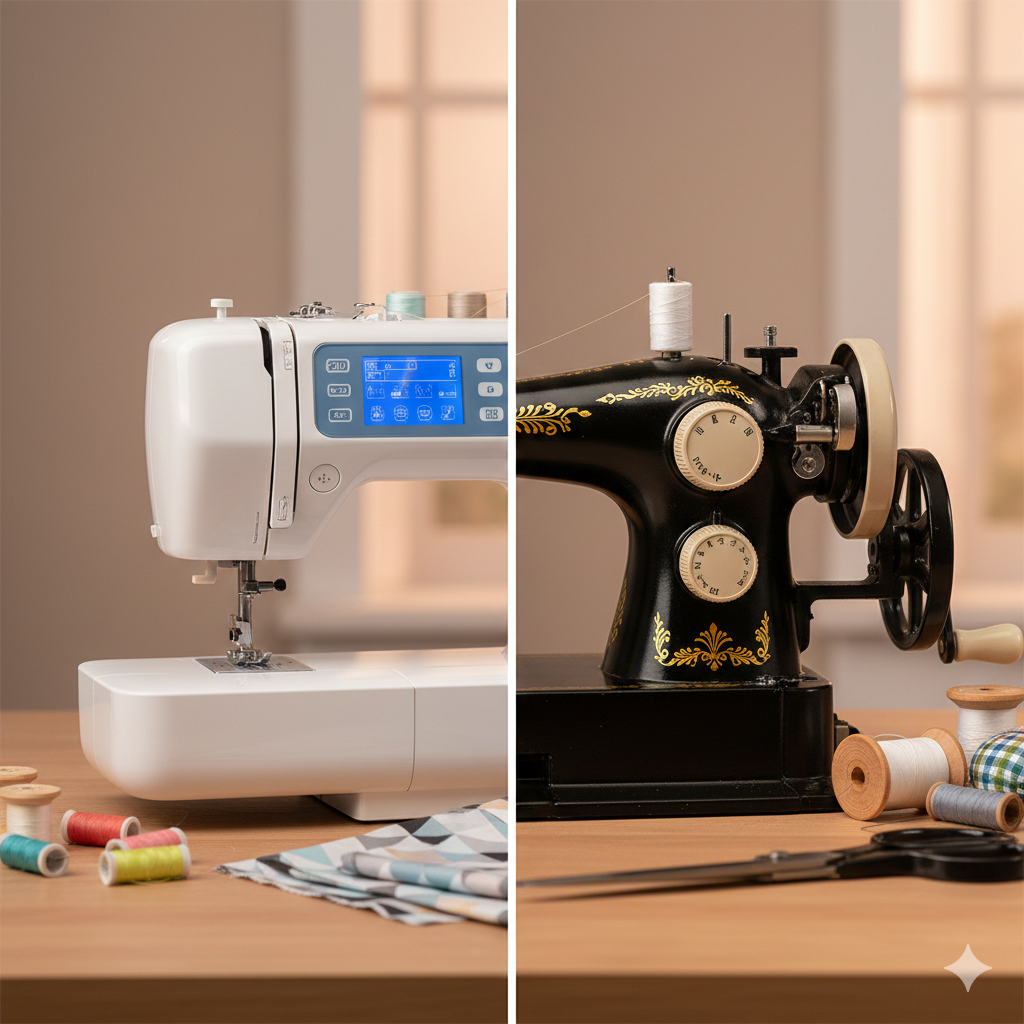
- Mechanical sewing machines offer manual controls and fewer features, making them ideal for beginners who want to focus on developing core skills.
- Computerized sewing machines provide digital controls with automatic stitch selection, which can make sewing easier but may overwhelm those new to the craft.
- If you prefer a hands-on approach and want to understand how your machine works, a mechanical machine is the way to go.
- If you’re looking for automation and convenience, a computerized sewing machine for beginners can help you get started quickly with less setup.
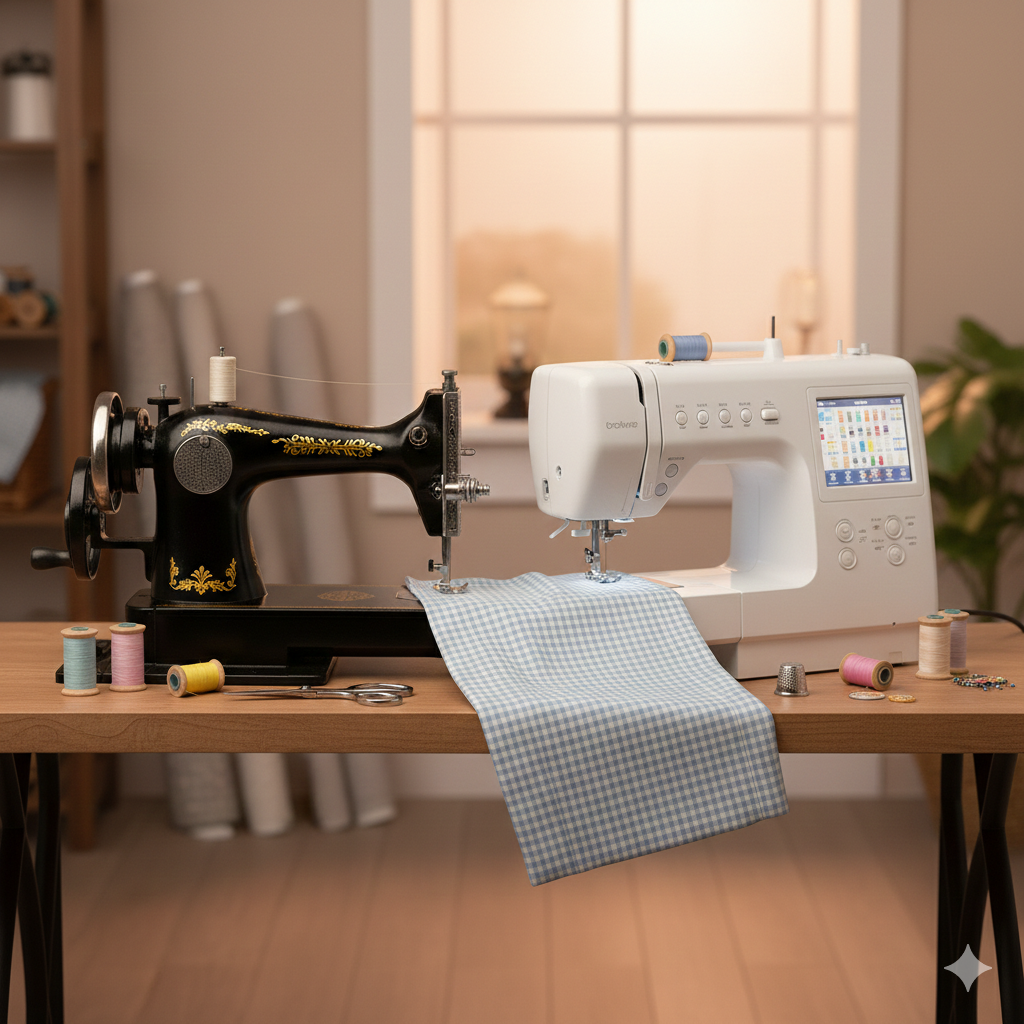
Many new sewists wonder whether a computerized vs mechanical sewing machine is better for their skill level, especially when navigating the best sewing machine for beginners. While there’s no one-size-fits-all solution, the key to making the right choice is understanding your personal goals and preferences. The computerized vs mechanical sewing machine debate is often rooted in the choice between building a strong foundational skill set and opting for automation and convenience. In this article, we’ll compare these two types of machines in-depth, helping you decide which one is ideal for your sewing journey. Whether you’re searching for a computerized sewing machine for beginners or a simpler mechanical machine, you’ll find a breakdown of the pros and cons that will make your decision easier
What Beginners Actually Need in a Sewing Machine
When choosing a sewing machine, beginners often prioritize certain features over others. The most important thing for any beginner is to build confidence and master basic skills. Here’s what you need from a sewing machine as you start:
- Skill Development vs. Automation:
- Mechanical sewing machines offer hands-on learning, requiring you to manually adjust settings. This interaction helps you learn and understand each function, which strengthens your fundamental skills.
- Computerized machines offer automation and ease of use, allowing you to get started quickly with preset stitches and automatic tension adjustment. However, the reliance on technology can limit your understanding of the sewing mechanics in the early stages.
- Ease of Use, Control, and Confidence-Building:
Beginners need a sewing machine that feels intuitive and easy to use. Mechanical machines provide more control over the process, giving you a sense of accomplishment as you manually adjust the machine for each project. On the other hand, computerized machines provide a smoother and quicker sewing experience, but this might not always be the most fulfilling for those seeking hands-on control.
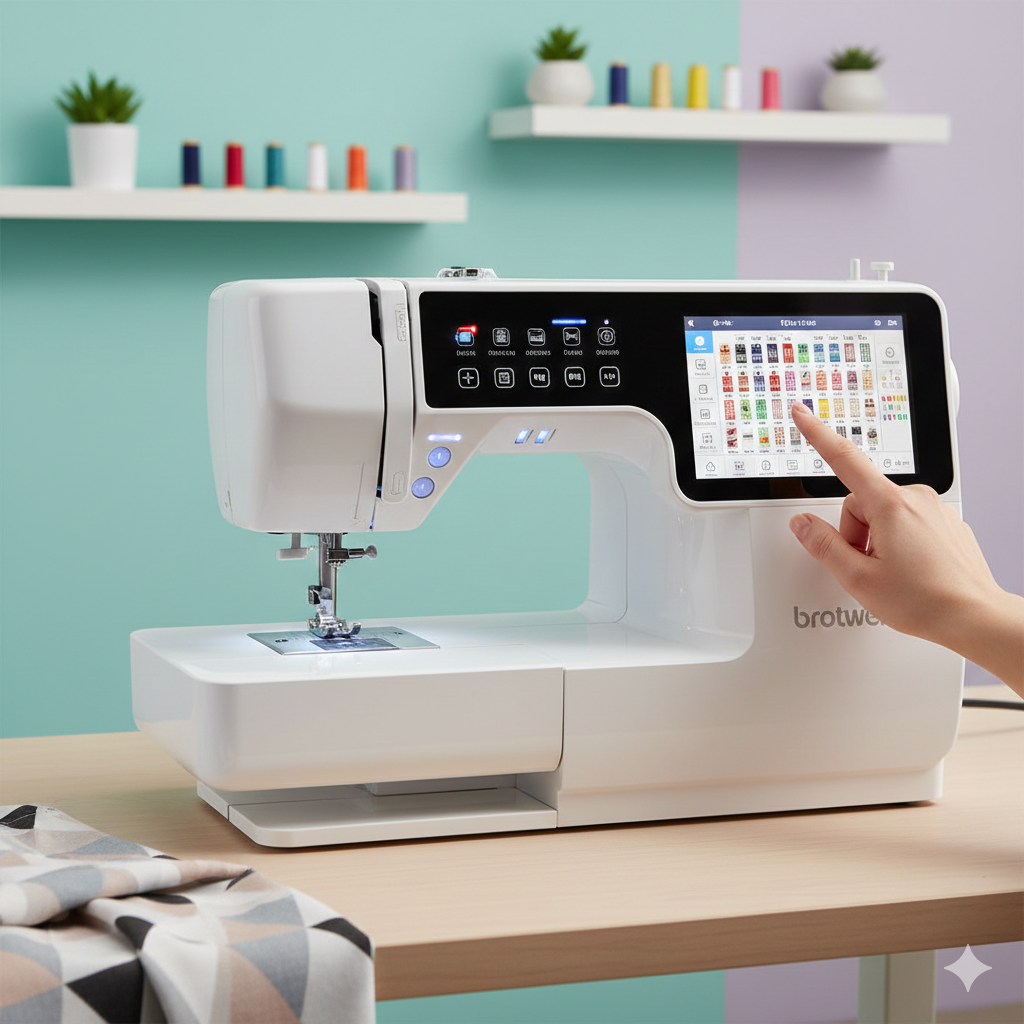
What Is a Mechanical Sewing Machine?
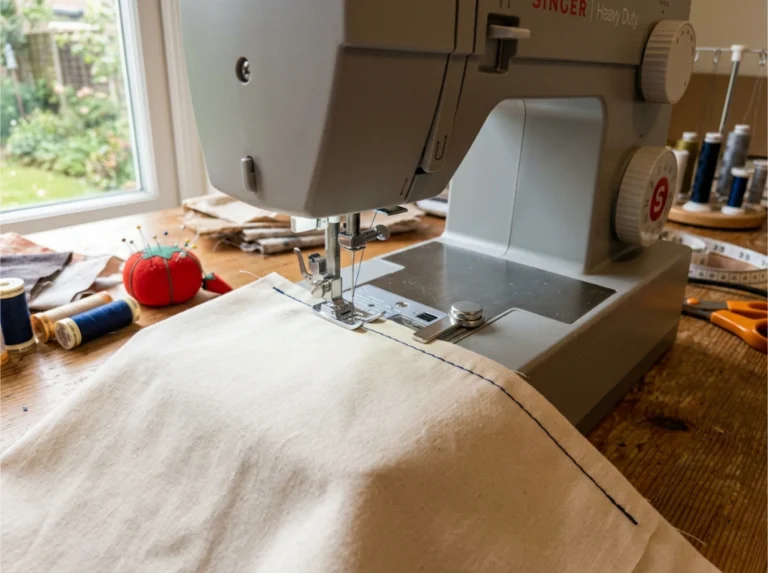
A mechanical sewing machine is the traditional type of sewing machine, and it’s known for its simplicity. These machines typically come with manual dials and levers for controlling different aspects of the machine, such as stitch length and tension. For those looking to develop foundational sewing skills, a mechanical sewing machine is often considered the ideal choice.
- How It Works:
- Mechanical machines operate with a manual interface. You adjust stitch length and type by rotating knobs, setting the machine speed with a foot pedal, and manually setting the tension. This gives you complete control over the machine’s functions.
- Strengths for Beginners:
- Simple operation: No complex digital interfaces, making it easier to focus on learning the basics.
- Builds foundational skills: Manual control helps you learn the fundamental aspects of sewing, such as stitch quality and fabric handling.
- Affordable: Generally, mechanical machines are much more affordable than their computerized counterparts, making them an ideal choice for beginners on a budget.
- Durability: With fewer electronic components, mechanical machines are often more durable and have a longer lifespan.
- Limitations:
- Limited features: Once you gain confidence and want to work on more intricate projects, mechanical machines can feel restrictive due to their limited stitch options and settings.
- More effort required: Unlike computerized models, a mechanical machine requires manual adjustments, which can be time-consuming, especially for beginners.

- 27 Unique Built-in Stitches: The Brother XM2701 sewing machine includes 27 built-in stitches including decorative, blind hem, zigzag, and stretch stitches and an auto-size buttonhole
- Automatic Needle Threader and Drop-in Top Bobbin: This beginner sewing machine is also great for experienced users; it includes an automatic needle threader that perfectly pushes thread through the needle and a convenient, jam resistant drop-in top bobbin
- Included Accessories: The XM2701 comes with 6 sewing feet, 3-piece needle set, twin needle, 4 bobbins, manual and more
- Versatile Free Arm: This free arm sewing machine is a simple sewing machine, perfect for a wide range of everyday sewing projects, and users from beginners to advanced
- At Your Side Support: The XM2701 small sewing machine comes with Brother At your side support offering free technical support via online, live chat or phone for the life of your machine

(As an Amazon Associate, we earn from qualifying purchases.)
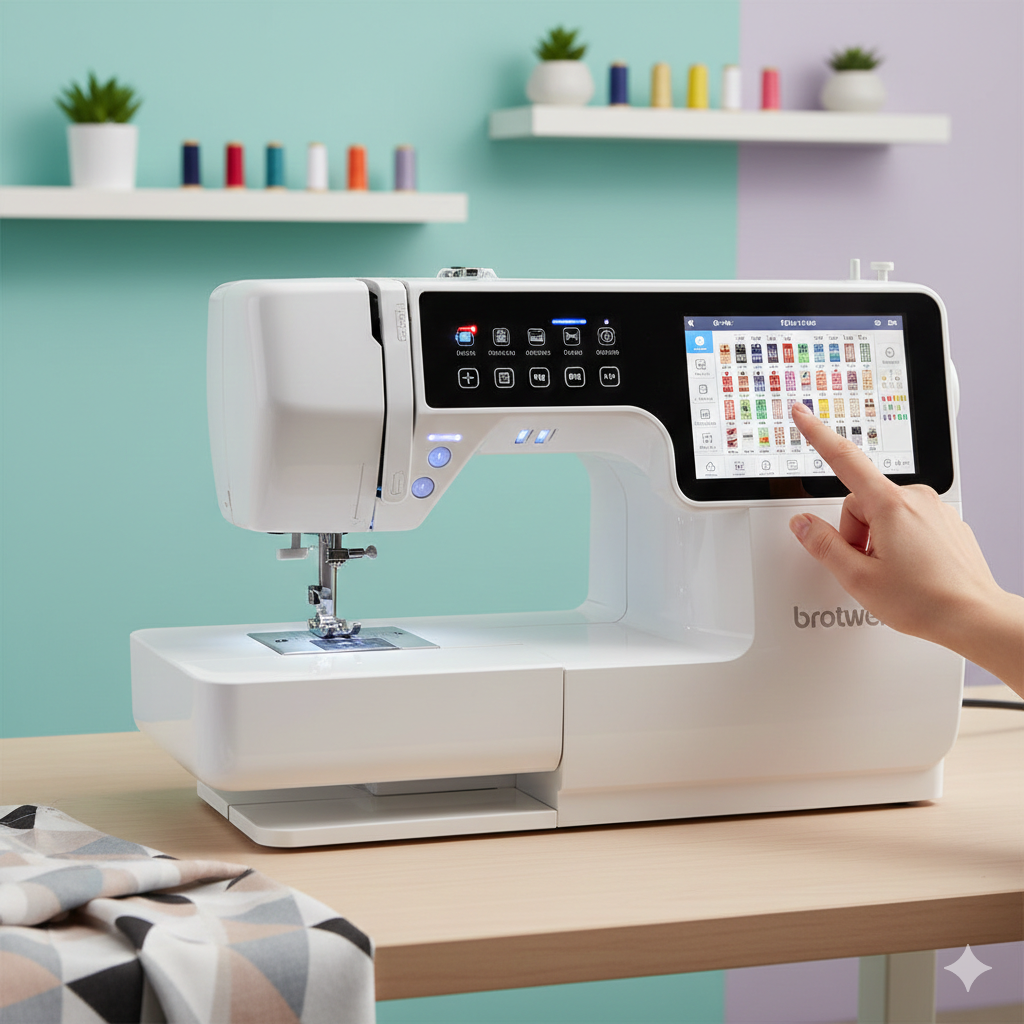
What Is a Computerized Sewing Machine?
In contrast, a computerized sewing machine integrates digital controls and automation, allowing you to take advantage of a wider range of features without the manual adjustments required by mechanical machines. These machines are ideal for those who want to automate tasks and work on advanced projects.
- How Technology Changes the Sewing Experience:
- Automatic stitch selection: Simply press a button and the machine selects the stitch type for you. It saves time and effort when switching between stitches.
- Pre-programmed settings: Many machines come with built-in presets for stitch length, tension, and even buttonholes, reducing the guesswork for beginners.
- Learning Curve:
Although computerized machines offer convenience, beginners can find the number of features overwhelming at first. It can take time to understand how each setting and feature works, which might slow down the learning process. - Automation and Learning Ease:
- Computerized machines do much of the work for you. With automatic adjustments, beginners don’t have to worry about stitch length or tension, allowing them to focus on perfecting their sewing techniques.
- 60 UNIQUE BUILT-IN STITCHES: The Brother CS5055 sewing machine includes 60 built-in stitches including utility, decorative and heirloom stitch functions, and 7 1-step auto-size buttonholes
- IMPROVED NEEDLE THREADER: Easier than ever to use, the automatic needle threader reliably pushes the thread through the needle. The convenient, jam resistant drop-in top bobbin easy to load and helps ensure your bobbin stays in place
- INCLUDED ACCESSORIES: The CS5055 includes 7 sewing feet, 4 bobbins, a needle set, a trilingual English/Spanish/French user manual and more
- METAL FRAME and FIXED NEEDLE BAR: The durable metal frame construction allows your machine to tackle any project, and the needle is fixed in place while you work, allowing for cleaner stitching and even lines
- LARGE NEEDLE-TO-ARM WORKSPACE: A larger workspace with increased width in needle-to-arm space allows users to work on larger projects
(As an Amazon Associate, we earn from qualifying purchases.)
Computerized vs Mechanical Sewing Machine: Key Differences
Here’s a detailed look at the key features that differentiate computerized vs mechanical sewing machines:
| Feature | Mechanical Sewing Machine | Computerized Sewing Machine |
|---|---|---|
| Controls | Manual dials and foot pedal | Digital buttons, touchscreen, and LCD display |
| Stitch Selection | Limited basic stitches | Wide variety of automatic stitch options |
| Maintenance | Minimal maintenance | Requires software updates and occasional repairs |
| Price | Affordable, budget-friendly | Higher initial investment due to technology |
| Durability | Reliable with fewer components | May wear down quicker due to complex technology |
| Learning Curve | Steeper at first, but teaches key skills | Easier once basic skills are learned, but overwhelming initially |
Which Is Better for Beginners? It Depends On…
The best sewing machine for beginners depends on your personal preferences and goals. It’s important to consider:
- Learning Style:
If you prefer a hands-on learning experience, you’ll appreciate the simplicity of a mechanical sewing machine. For those who find technology exciting and helpful in easing the learning process, a computerized machine can be an attractive option. - Project Goals:
If you’re aiming for basic sewing projects (like making pillowcases or simple clothing), a mechanical machine will give you everything you need to get started. However, if you plan to move on to more complex projects involving quilting or embroidery, a computerized machine will provide you with the advanced features needed. - Comfort with Technology:
If you’re tech-savvy or just enjoy working with gadgets, a computerized machine could be a great fit for you. On the other hand, if you’re intimidated by technology, a mechanical machine is more approachable.
Beginner Mistakes When Choosing a Sewing Machine
Here are common mistakes beginners often make when buying their first sewing machine:
- Buying Too Advanced Too Soon:
Don’t get overwhelmed by all the features in a high-tech machine. Stick to the basics and upgrade later as your skills grow. - Overvaluing Features Instead of Fundamentals:
Fancy features may look appealing, but they won’t help you learn the basics. Choose a machine that helps you build a strong skill set first. - Underestimating Maintenance:
While computerized machines often need more upkeep (like software updates), a mechanical machine requires simple cleaning and oiling. - Ignoring Your Budget:
It’s easy to fall into the trap of overspending on a machine with too many features you don’t need. Keep your initial budget in mind.
How to Choose the Best Sewing Machine for Beginners
Here’s a step-by-step guide to making your decision:
- Assess Your Skill Level: If you’re starting from scratch, a mechanical machine is often easier to learn on.
- Set Long-Term Goals: If you plan on sewing more advanced projects in the future, you may want to consider investing in a computerized machine.
- Consider Technology Comfort: Are you comfortable with digital interfaces? If so, a computerized machine might be ideal.
- Budget Considerations: Stick to your budget but ensure you’re investing in quality. A mechanical machine can often serve you well as a beginner, while computerized machines are better for those who need extra features.
Final Weave
Choosing between a computerized vs mechanical sewing machine depends largely on your learning style, goals, and comfort level with technology. Mechanical machines are ideal for beginners who want a straightforward, no-frills experience to build core skills. However, computerized sewing machines offer convenience and advanced features, making them appealing once you’re comfortable with basic sewing techniques.
Most importantly, the right machine is the one that suits your current needs and future aspirations. Regardless of your choice, remember that confidence and practice are key to becoming a successful sewist.
FAQs: Computerized vs Mechanical Sewing Machine
Is a computerized or mechanical sewing machine better for beginners?
A mechanical machine is best for beginners to build foundational skills without distractions.
Are computerized sewing machines harder to learn?
Yes, computerized machines require learning the digital interface and settings, but they are easier once you understand the basics.
Do beginners need advanced sewing machine features?
No, beginners should focus on basic stitches and techniques before exploring advanced features.
What is the best sewing machine for beginners with no experience?
A mechanical sewing machine is a solid choice for complete beginners.
Are mechanical sewing machines more durable?
Yes, mechanical machines typically last longer due to their simplicity and fewer electronic parts.
Is a computerized sewing machine worth it for beginners?
A computerized machine can be worth it for beginners who want quick results and don’t mind a bit of a learning curve.
Can beginners outgrow a mechanical sewing machine?
Yes, as skills advance, beginners may feel limited by the simplicity of a mechanical machine, especially if they move into more complex projects.