
Quick Look
A free girls sundress pattern is one of the best first garment projects you can pick. It teaches straight seams, casing construction, and hem technique without requiring a zipper, lining, or fitted bodice. The right pattern can be finished in a single afternoon and builds real, transferable skills. This guide covers how to evaluate any free girls sundress pattern before you print it, how to size it correctly, and how to sew it from start to finish.
Related: Free Sewing Patterns for Beginners and Kids
What Makes a Free Girls Sundress Pattern Actually Worth Sewing?
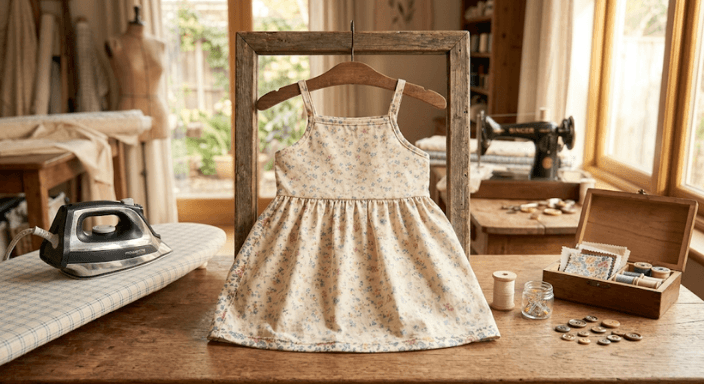
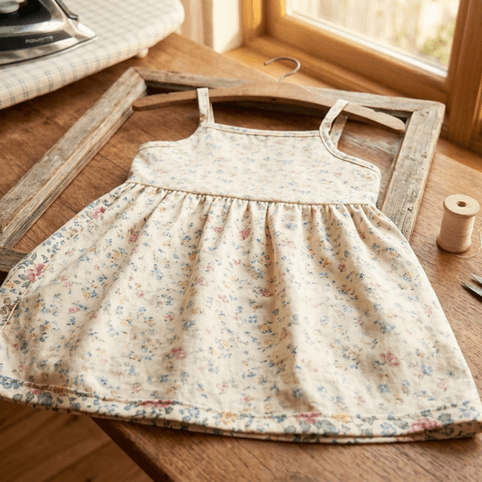
A free girls sundress pattern is only worth your fabric if it includes seam allowances, marked grainlines, and a construction sequence. Check all three before you print.
The pattern quality gap is real. One maker described it plainly: the pattern had no seam allowances, grainlines, or notches for joining pieces, even though it was labeled beginner-friendly. “It really saddens me that these are likely the first patterns beginners buy and give sewing such a bad rep.” (Substack, 2024)
Before downloading any free girls sundress patterns, confirm three things. First, seam allowances are stated, typically 3/8 inch or 5/8 inch for children’s garments. Second, a grainline arrow appears on every pattern piece, including facings and straps. Cutting off-grain causes the finished garment to twist after washing, and pressing cannot fix it. Third, the instructions include at least one construction diagram showing how pieces relate before you sew them. Patterns that pass all three checks exist in abundance. Those who fail should be set aside.
Which Free Girls Sundress Pattern Should You Start With?
For a first free girls sundress guide, choose one with no zipper, no lining, and no set-in sleeve. An elastic-casing or pillowcase-style dress can be finished in a single afternoon and teaches four transferable skills.
The goal of the first project is a finished garment, not a perfect one. “Dresses are a great place for a beginning sewist to start. You get a big return on your time investment.” (It’s Always Autumn, February 2024)
Three styles work well as entry projects. A pillowcase or tube dress needs straight seams, casing, and a hem: three skills, one to two hours. An A-line sundress with straps adds strap construction and a neckline casing: four skills, two to three hours. An empire-waist dress with a gathered skirt adds gathering and a waist seam: five skills, three to four hours.
Start at the level you can finish this weekend. “There really aren’t many patterns for the girls between 8 and 12 years that can be sewn up in an hour or two.” (AppleGreen Cottage, May 2026) For older girls, an empire-waist pattern often requires more searching.
Before cutting: children’s pattern sizes are based on body measurements, not clothing sizes. Measure the child. Compare those numbers to the finished garment measurements on the pattern, not to the size label. Cut for the measurement.

- ROTARY FABRIC CUTTER: High-grade, precision-ground, 45mm rotary blade is perfect for projects and fabric that require precise cutting; Ideal for cutting multiple layers of fabric, paper, felt, and vinyl
- SELF-HEALING CUTTING MAT: Cutting mat protects surfaces for sewing and other projects, with self-healing surface, easy-to-read measuring grids, and 30, 45, and 60-degree bias lines that make angle cutting easy
- SEWING AND QUILTING RULER: Large clear ruler for precise measurement, with highlighted seam allowances, easy-to-read measurement lines, and 30, 45, and 60-degree line indicators for easier angle cutting
- LONG LASTING AND RELIABLE: Self-healing mat surface lasts longer than other craft cutting mats; Fiskars craft supplies and materials are built to last
- QUALITY TOOLS FOR ARTS AND CRAFTS: From scissors and cutting mats, rotary and paper cutters, to classroom essentials, scissors for kids, and quilting and scrapbooking supplies, Fiskars crafting tools are designed to help you do what you do best: express yourself
How Do You Sew a Girls Sundress Step by Step?
The steps below apply to any free girls sundress pattern with an elastic casing or A-line build. Press every seam before crossing it with another. That single habit changes the finished result more than any other technique.
Step 1: Cut and Mark.
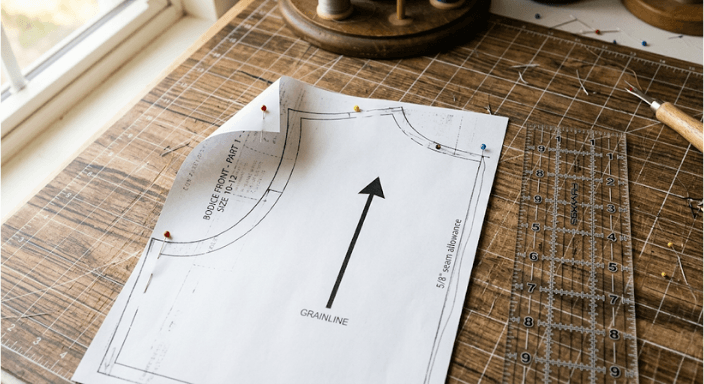
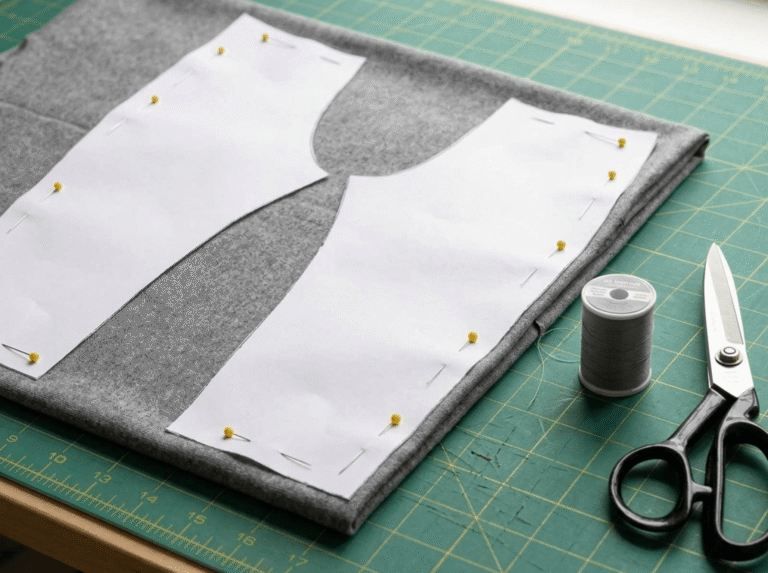
Cut all pieces in the same direction, with the grain. Mark notches with small scissor snips into the seam allowance only. If a cut piece looks narrower than expected, check the grain before re-cutting. Bias-cut pieces distort and will not sew flat.
Step 2: Sew and Finish Side Seams.
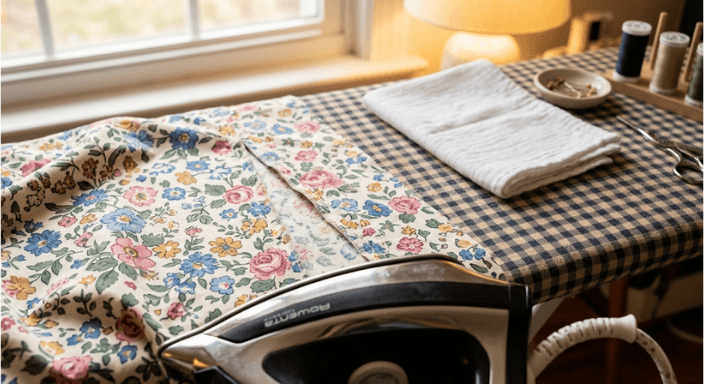
Sew from hem to underarm, not the reverse. Press seams open before the next step. Finish seam allowances with a zigzag stitch or pinking shears. If the seam puckers, shorten stitch length to 2.0 mm. If it still puckers, re-thread from scratch. Most stitch problems are threading errors.
Step 3: Construct Straps or Neckline.
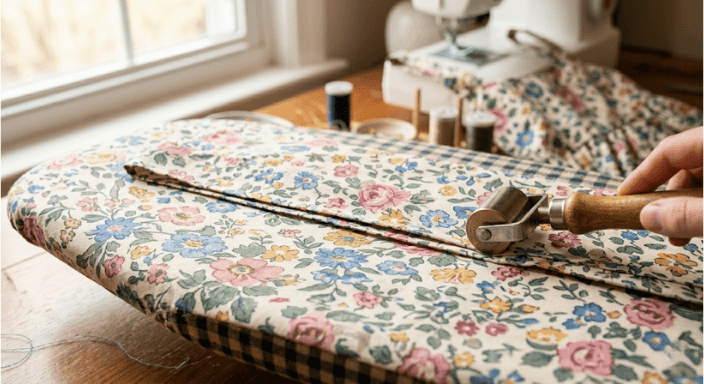
Fold the strap piece lengthwise, press, open, fold both raw edges to the center crease, press again, and topstitch both long edges. Pressing before topstitching produces a flat strap without bulk. If the strap twists, the fold was not pressed firmly. Press again before the second pass.
Step 4: Construct the Casing.
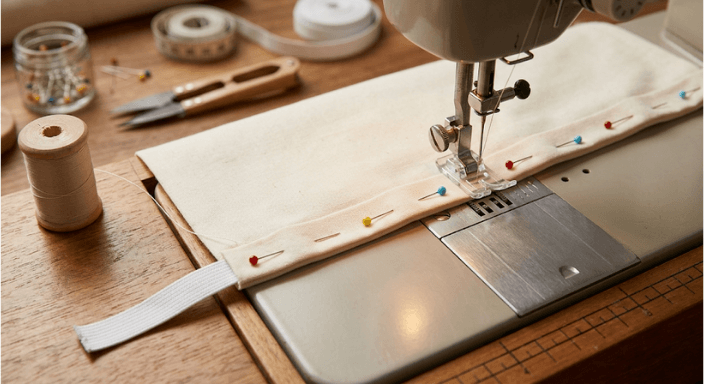
Fold at the marked casing line, press before pinning. Stitch close to the lower fold, leaving a two-inch gap for elastic. Thread elastic with a safety pin, overlap ends one inch, sew securely, and close the gap. If the casing gathers unevenly, the elastic has twisted. Remove one end of the stitching, pull it flat, and re-sew.
Step 5: Attach Skirt to Bodice.
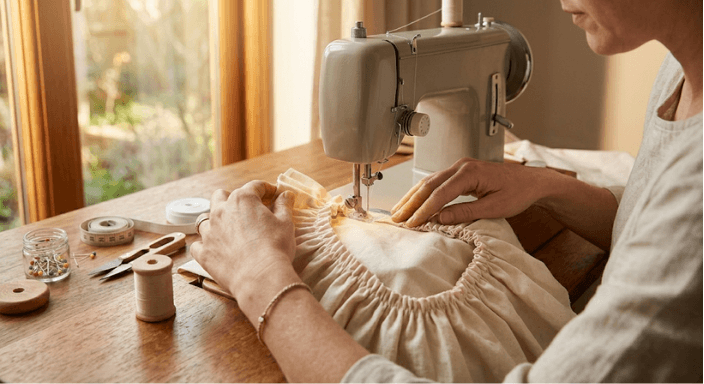
Baste two rows at 3/8 inch and 5/8 inch from the skirt top. Pull both bobbin threads to gather. Match side seams and center points to the bodice first, then distribute gathers evenly. If it gathers bunches at the seam joins, pin each intersection first and redistribute outward.
Step 6: Hem.
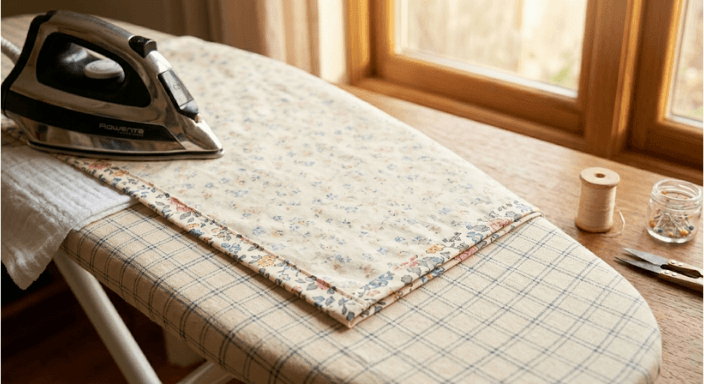
Turn the hem 1/4 inch and press. Turn again 3/4 inch and press. Sew close to the inner fold. This double-fold hem is sturdy and wash-resistant on woven cotton. If the hem waves after sewing, the fabric was not pre-washed. Trim to an even depth, re-press, and re-sew.
What Fabric Works Best for a Girls Sundress That Will Last the Summer?
Quilting cotton is the most reliable budget choice for a girls sundress: stable, widely available, and correct with a standard needle at 2.5 mm stitch length. Always pre-wash before cutting.
Budget quilting cotton from the remnant section works well. A cotton-polyester blend washes with less wrinkling. Cotton lawn gives a softer silhouette on gathered styles. All three are usually under five dollars per yard.
Yardage by size: toddler 2T to 4T needs one to 1.5 yards at 44-inch width; child sizes 4 to 8 need 1.5 to 2.5 yards; child sizes 8 to 14 need two to three yards. Check your pattern’s requirements first. Pre-wash: budget cotton can shrink five to eight percent in a hot wash.

- 9531-W
- 072879095319
How Do You Size a Girls Sundress Pattern Without Getting It Wrong?
Never cut a children’s pattern by the size label. Measure the child and match to the finished garment measurements on the free girls sundress pattern you have chosen.
A pattern labeled “size 5” is built for a child with approximately a 23-inch waist and 22-inch chest. That child may be four or six, depending on build. The age label is a convention, not a measurement.
To build in a growth room, add one inch to the skirt for every six months of expected wear, at the “lengthen here” line on the pattern pieces.
A gap worth noting: a free girls’ sundress pattern in wide circulation tends to cap at size 8-10. For girls ages 8 to 14, fewer free options are available. When the right size is not offered, grade between the two closest sizes by blending the cutting lines.
Ready to Sew? Download the Free Girls Sundress Sewing Guide
Choosing the right free girls sundress pattern, cutting with the grain, pressing every seam, and measuring the child rather than the size label are the four steps that separate a finished sundress from a wasted afternoon. Every technique here applies to any free girls sundress pattern, not only the styles above.
Download the free Girls Sundress Sewing Guide: a step-by-step workbook with cutting layout, construction sequence, fix-it notes, and a sizing chart for your child’s measurements.
Check this video from Quiet Life Farm.
Frequently Asked Questions
-
Where can I find free girls sewing patterns that include seam allowances?
Check AppleGreen Cottage, Sew Modern Kids, and It’s Always Autumn for curated roundups where editors have pre-screened for pattern quality. Before downloading any free pattern, confirm the description states that seam allowances and grainlines are included. Patterns without these require extra knowledge to use correctly and are not reliably beginner-friendly.
-
How do you sew a simple sundress for a beginner?
Start with an elastic-casing or pillowcase-style sundress that requires no zipper, no lining, and no set-in sleeve. Cut all pieces in the same grain direction, press every seam before crossing it, and sew the side seams directionally from hem to underarm. Those three habits cover most beginner failure points before they become problems.
-
Do free girls sundress patterns work for stretch fabrics like jersey?
Most free sundress patterns are drafted for woven cotton. Using jersey requires different seam finishing, no pressing open, and a stretch stitch. Unless the pattern explicitly states it is knit-compatible, stick to quilting cotton or cotton lawn for the most predictable result on a first make.
-
How do I print a free PDF sewing pattern at the correct scale?
Print at 100% scale, never “fit to page.” Every properly prepared PDF pattern includes a 1-inch or 1-cm test square on the first sheet. Measure it after printing. If it does not match, adjust your printer scale setting and reprint before cutting any fabric.
-
Can I sew a girl’s sundress without a serger?
Yes. Finish seam allowances with a zigzag stitch or pinking shears, both available on any basic sewing machine. A French seam is the cleanest no-serger option for lightweight cotton: it encloses the raw edge completely and holds through repeated washing. French seams add roughly ten minutes per seam pair and require no special equipment.
-
What is the easiest way to keep an elastic from twisting inside a casing?
Attach one end of the elastic to a large safety pin before threading it through the casing. Keep the safety pin facing the same direction throughout. When the elastic emerges from the gap, check that it lies completely flat before overlapping the ends and sewing them together.
-
How do I add length to a kid’s dress pattern for a taller child?
Most children’s dress patterns include a “lengthen or shorten here” line on both the bodice and skirt pieces. Cut along that line, spread the pieces by the desired amount, tape paper between them to fill the gap, and trace the new outline before cutting fabric. Add to the bodice and skirt separately so the proportions stay correct.
Why did you vote that way? Drop your take in the comments.