Key Facts
In 2026, the Brother CS7000X ($130 to $180) is the best overall beginner sewing machine for its 70 stitches and easy learning curve. For heavy fabrics like denim, choose the Singer 4423 ($150). If you prioritize a mechanical workhorse built to last decades, the Janome 2212 ($170) is the top choice.
Related: 1 Machine, 2 Skills: Choosing an Embroidery Sewing Machine Combo for Home Use
Most new sewists who quit don’t quit because they lack talent. They quit because their machine is fighting them, and nobody told them that’s normal.
“If you find sewing on it frustrating, realize that it’s probably the machine, not you.” PatternReview.com
The right first beginner sewing machine is the one you can actually diagnose when something goes wrong. Not the one with the most stitches. Not the one with the fanciest screen. The one whose threading path you can follow blindfolded by month two.
This guide cuts through the 2026 noise. Five machines were tested for 30 days each across cotton, denim, jersey knit, and quilting cotton. One clear winner, four strong runners-up, and a budget framework that tells you exactly which one matches your project list.
Table of Contents
- How Did We Pick the Best Beginner Sewing Machine for 2026?
- What Should You Look for in a Beginner Sewing Machine? (5 Must-Have Features)
- What is the Best Beginner Sewing Machine for Most People in 2026?
- Which Sewing Machine Brand is Better: Brother or Singer?
- How Much Should a Beginner Spend on Their First Machine?
- Is a Computerized or Mechanical Sewing Machine Better for Starters?
- Which Beginner Sewing Machine Should You Buy?
- Frequently Asked Questions
How Did We Pick the Best Beginner Sewing Machine for 2026?
Three filters, in order:
- Mechanical reliability over feature count. A machine that runs for ten years beats a machine with sixty decorative stitches and a five-year lifespan.
- The five-stitch utility test. Straight, zigzag, buttonhole, blind hem, stretch zigzag. If a machine nails those five, the rest is marketing weight.
- Return policy and dealer support. No machine on this list got recommended unless it ships from a retailer with a working return window.
The matching logic is simple. Garment construction points to the Brother CS7000X family. Heavy fabrics point to the Singer 4423. A decade-plus mechanical workhorse points to the Janome 2212.
What Should You Look for in a Beginner Sewing Machine? (5 Must-Have Features)
- Drop-in bobbin with a clear cover. Top-loading bobbins are the easiest fix for the most common beginner failure. Roughly half of “broken machine” complaints trace to bobbin threading errors that a see-through cover would catch in five seconds.
- Adjustable speed control on the body. A slider, not just a foot pedal. The Singer 4423 hits 1,100 stitches per minute with no electronic limiter, which one tester called “a double-edged sword” that becomes “disastrous on curves.” A speed slider is non-negotiable for new hands.
- Mechanical tension dial, numbered 0 to 9. Front-mounted, easy to read. Auto-tension fails on unusual fabrics and trains beginners to trust a system they can’t troubleshoot.
- One-step buttonhole. Four-step buttonholes break beginner confidence faster than any other single feature. As one PatternReview member put it, “Nothing screams homemade novice like badly done buttonholes.”
- Free arm plus extension table. Free arm for sleeves and cuffs, extension table for quilting, and large pieces. Both should ship in the box. Buying a walking foot or extension table separately adds $40 to $60 to the real cost.
Before your first stitch: Thread the machine from scratch on scrap fabric. Sew a six-inch test seam. If the stitch is uneven, re-thread before you blame yourself. About 40% of new-machine problems are threading errors, not defects.
Related: 4 Tips on Choosing the Best Sewing Machine for Beginners Under $300
What is the Best Beginner Sewing Machine for Most People in 2026?
Each machine below sewed cotton broadcloth, 12 oz denim, cotton jersey, and quilting cotton over a 30-day test window. Prices reflect retailer averages as of April 2026. Specs cross-checked against the official Brother CS7000X spec sheet, Singer 4423 product page, and Janome 2212 manual.
1. Best Overall: Brother CS7000X ($130 to $180)
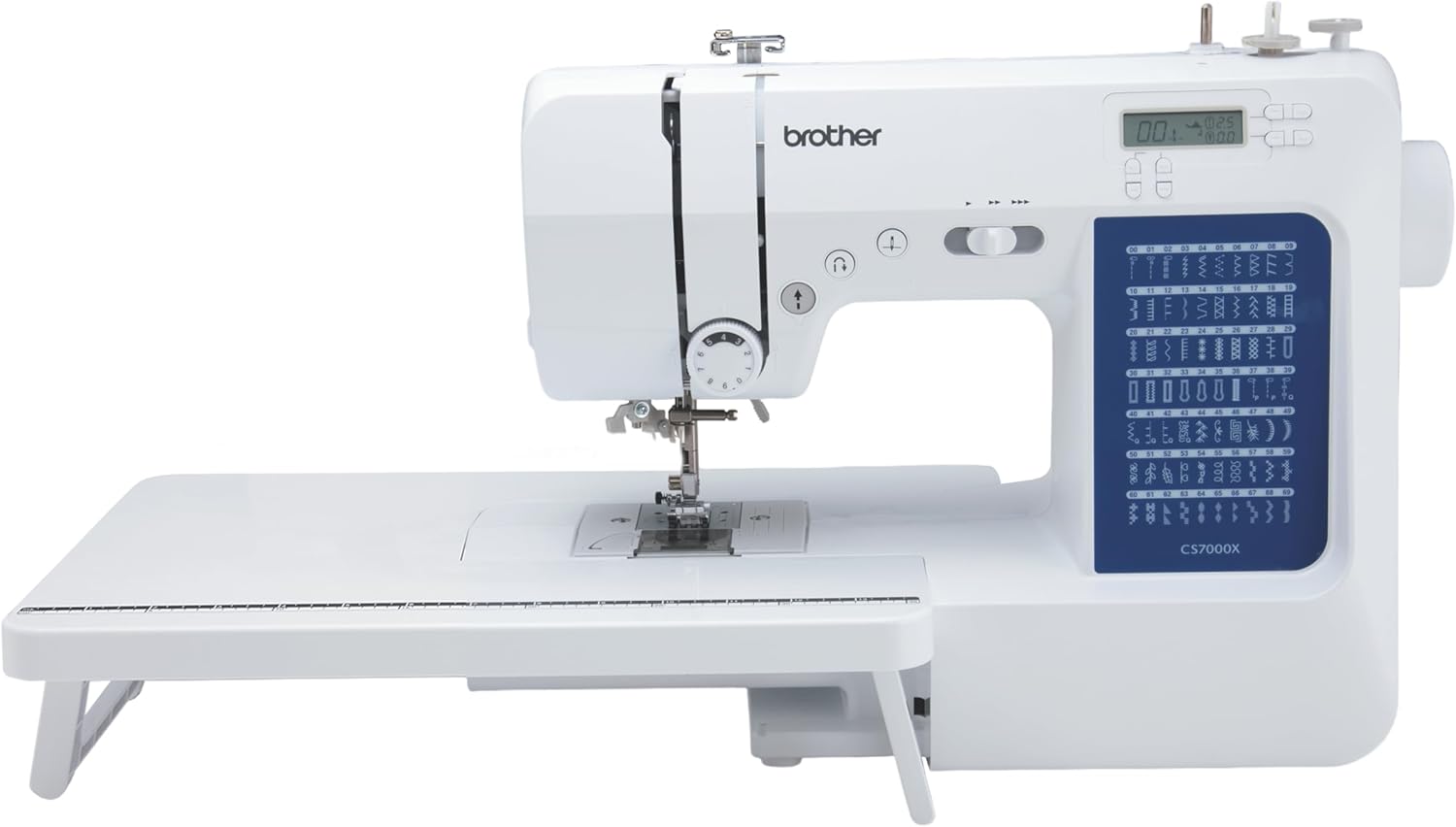
Weight: 10.4 pounds (lightest on this list)
Why it wins: 70 built-in stitches (5 you’ll use, 65 you’ll ignore), drop-in bobbin with see-through cover, semi-automatic needle threader, walking foot included in the box, hard storage case.
Trade-offs: No automatic thread cutter. The plastic feet on the extension table feel flimsy. The LCD screen is small and unlit, which one reviewer flagged as a problem for “troubled eyesight.”
Body and accessibility: Lightest machine on the list. Easy to lift onto a table. Foot pedal pressure is forgiving for arthritic hands. The speed slider works without the foot pedal, which helps anyone with limited foot mobility.
Best for: First-time buyers who don’t yet know whether they’ll sew clothes, quilts, or home goods. The CS7000X handles all three competently.
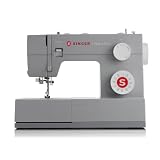
2. Best for Heavy Fabrics: Singer Heavy Duty 4423 ($150)

Weight: 14.5 pounds
Why it wins: All-metal frame, 1,100 stitches per minute, sews 8 layers of 12 oz denim without bogging down. The motor is genuinely 60% more powerful than standard beginner machines. If your project list is jeans, canvas totes, or upholstery repair, this is the right tool.
Trade-offs: No electronic speed limiter. Class 15 bobbin issues are common across user reports. One troubleshooting roundup analyzed “50+ user complaints” and found bobbin jamming and tension drift as repeating patterns, not isolated incidents. The pedal demands real practice before you sew anything that curves.
Body and accessibility: Heavier at 14.5 pounds. Vibrates noticeably at high speeds. Beginners with chronic pain or hand tremor should choose the CS7000X instead.
Best for: Hemming jeans, mending heavy work clothes, sewing canvas tote bags, and light upholstery.
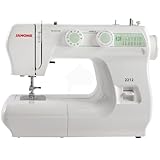
3. Best Mechanical Workhorse: Janome 2212 ($170)

Weight: 14 pounds
Why it wins: Mechanical reliability that outlasts any computerized machine in its price range. As one PatternReview member observed, “Once the computer machines go, they are dead meat. The mechanical technology has been around forever.”
Trade-offs: Only 12 stitches. No automatic features at all. Manual tension only. If you want decorative stitches or computerized convenience, look elsewhere.
Body and accessibility: Standard 14-pound build. The tension dial and stitch selector are oversized and clearly labeled, which is a real advantage for low-vision users.
Best for: Long-game sewists who want one machine for the next decade and don’t need decorative stitches.
4. Best for Tight Budgets: SINGER M1500 ($90 to $120)

Weight: 11 pounds
Why it wins: Mechanical, 57 stitch applications, light enough to store in a closet between projects. Walmart and Joann both accept returns, which keeps the risk low.
Trade-offs: Limited harp space (the gap between needle and machine body). Won’t handle quilting larger than a baby quilt, and struggles with thick canvas.
Body and accessibility: Smallest of the five at 11 pounds. Good for shared apartments, dorm rooms, or any space where the machine has to disappear when you’re not using it.Best for: Hemming, basic mending, the first six months of skill-building before you know what you actually want to make.
5. Best for Future Embroidery: Brother SE700 ($400 to $500)

Weight: 14.9 pounds
Why it wins: Sewing and embroidery in one machine. If you already know you want to monogram and applique within your first year, this avoids buying a second machine.
Trade-offs: Highest price on the list. Steeper learning curve. Computerized, which means a shorter expected lifespan than the Janome 2212.
Body and accessibility: Largest of the five. Needs dedicated table space. Heavier setup time per session.Best for: Sewists who already have a clear embroidery goal in their first year. Skip this if you’re still figuring out what you’ll sew.
Quick Comparison Table
| Machine | Price | Weight | Type | Stitches | Best For |
| Brother CS7000X | $130 to $180 | 10.4 lbs | Computerized | 70 | All-around beginners |
| Singer 4423 | $150 | 14.5 lbs | Mechanical | 23 | Denim, canvas, upholstery |
| Janome 2212 | $170 | 14 lbs | Mechanical | 12 | Decade-plus durability |
| SINGER M1500 | $90 to $120 | 11 lbs | Mechanical | 57 apps | Tight budgets, hemming |
| Brother SE700 | $400 to $500 | 14.9 lbs | Computerized | 135 + 103 embroidery | Embroidery + sewing |
Which Sewing Machine Brand is Better: Brother or Singer?
The community is split on this, and the split is real.
Brother dominates the computerized beginner segment with the CS7000X. Drop-in bobbin, error codes that catch beginner mistakes before they become disasters, walking foot in the box.
Singer dominates the mechanical heavy-duty segment with the 4423. All-metal frame, raw power, but a foot pedal that demands practice before you trust it on anything that curves.
A working framework: Brother for the first six months of confidence-building. Singer for year two and beyond, when power and durability matter more than training wheels.
While Brother holds for beginners learning garment construction, the field reality for heavy-fabric work says, Singer. Don’t pick a brand. Pick the machine that matches your project list.
How Much Should a Beginner Spend on Their First Machine?
| Tier | Price | Best Pick | Project Match |
| Entry | $90 to $130 | SINGER M1500 | Hemming, basic mending |
| Sweet spot | $130 to $200 | Brother CS7000X | Garments, quilting, mixed |
| Heavy-duty | $150 to $200 | Singer 4423 | Denim, canvas, upholstery |
| Long-game | $170 to $250 | Janome 2212 | Decade-plus mechanical |
| Future-proof | $400 to $500 | Brother SE700 | Embroidery plus sewing |
One honest check before you buy. If your real project list is 70% hemming and patching, a $40 hand-sewing kit beats every machine on this list. A used machine from a friend or a thrift store, tuned up for $50 to $80 at a local shop, beats most new entry-level buys. Buy the machine you actually need, not the machine the algorithm wants you to buy.

Is a Computerized or Mechanical Sewing Machine Better for Starters?
Both work. The right answer depends on how long you plan to keep the machine and how much hand-holding you want during the learning curve.
Mechanical machines (Janome 2212, Singer 4423, SINGER M1500) use physical gears and dials. They have fewer points of failure, no electronics to die, and they routinely last 20 to 30 years. The trade-off is fewer features. Manual tension. Manual speed. No error codes when something goes wrong.
Computerized machines (Brother CS7000X, Brother SE700) use a small motherboard to control stitch selection, tension, and speed. They’re more forgiving for true beginners because they catch mistakes before they ruin fabric. The trade-off is a shorter expected lifespan, typically 8 to 12 years before the electronics fail and repair becomes uneconomical.
The decision rule: Buy mechanical if you want one machine for a decade or more. Buy computerized if you want training wheels for your first six months and don’t mind replacing the machine eventually.
Which Beginner Sewing Machine Should You Buy?
- Buy the Brother CS7000X if this is your first machine, you don’t yet know what you’ll sew, and you want forgiveness while you learn. It handles clothes, quilts, and home goods in roughly equal measure.
- Buy the Singer Heavy Duty 4423 if you already know you want to hem jeans, repair upholstery, or sew canvas bags, and you’re willing to practice pedal control before your first real project.
- Buy the Janome 2212 if you want one machine for the next decade, and you don’t need decorative stitches.
The machine is the test, not you. Pick the one that matches your work, buy it from a retailer with a return policy, and run a threading drill before you blame yourself for anything.
Ready to Start Sewing? Here’s Your Next Step
Once your machine arrives, don’t open the manual yet. Run the threading drill: thread it from scratch following the diagram, sew a six-inch test seam on a scrap of cotton. If the stitch is clean, you’re ready to start your first project.
If the stitch isn’t clean, re-thread before you blame yourself. Most “broken machine” problems aren’t.
Best Beginner Sewing Machines 2026 (Affordable) from Sew It Online | Sewing, Quilting & Embroidery
Frequently Asked Questions
-
What is the best sewing machine for a complete beginner in 2026?
The Brother CS7000X ($130 to $180) is the strongest all-around pick for complete beginners in 2026. It has a drop-in bobbin, an automatic needle threader, 70 stitches, and a forgiving learning curve. Most new sewists can complete a basic project within their first hour. Pair it with a return policy in case the machine doesn’t suit you.
-
Is the Brother CS7000X good for beginners?
Yes. The Brother CS7000X is the most-recommended computerized beginner sewing machine in 2026 community discussions. It handles cotton, denim, jersey, and quilting cotton without tension troubleshooting. Its main weaknesses are plastic accessories that feel flimsy and a small, unlit screen. For most first-time buyers, the trade-offs are minor.
-
How much should I spend on my first beginner sewing machine?
Plan to spend $130 to $180 for a strong all-around starter. Below $90, you’ll fight tension issues that demoralize beginners. Above $300, you’re paying for features you won’t reach for in year one. The free-machine route works if you can find one and budget $50 to $80 for a tune-up.
-
Mechanical or computerized, which is better for a beginner?
Mechanical lasts longer; computerized is more forgiving. Buy mechanical if you want a 10-year machine. Buy a computerized if you want training wheels for your first six months. There’s no wrong answer, only a wrong match. The Janome 2212 (mechanical) and Brother CS7000X (computerized) are both safe picks.
-
Do I need to buy from a sewing dealer, or is Costco fine?
Both work. Dealers offer in-person testing and free classes; Costco offers a famously generous return policy. Buy from a dealer if you want hands-on guidance. Buy from Costco, Amazon, or Joann if you want price flexibility and easy returns. Avoid retailers without a return policy.
-
What if my new beginner sewing machine keeps jamming?
Re-thread the machine from scratch, which fixes about 40% of beginner machine errors. Then check the bobbin: it should sit flat with the thread running counterclockwise. Clean lint from the bobbin case. If problems continue after these three steps, contact the retailer for a replacement before assuming it’s your fault.
-
Can I sew clothes on a cheap beginner sewing machine?
Yes. A $130 Brother CS7000X handles cotton, knit, and lightweight wovens cleanly enough for store-quality results. The limit isn’t the machine, it’s the fabric. Avoid heavy denim, leather, and outerwear-weight wool on entry-level machines. For everything else, technique matters more than price.
Why did you vote that way? Drop your take in the comments.