Long ago, a torn sleeve or a threadbare knee might have meant the end of that garment’s life. Today, though, there’s a different option. That damage can be reimagined as a feature and not a flaw. This is the heart of visible mending, a creative way to give your damaged clothes a second life.
Visible mending repairs worn or damaged clothing using stitches or patches that stand out on purpose. It offers a practical fix and a form of personal expression. In this post, you’ll discover how visible mending works and why more people are stitching their way into a more sustainable wardrobe.
TL;DR: Visible Mending for Beginners
- Introduces visible mending as a creative, decorative way to repair clothing, turning rips, worn spots, and stains into intentional design features instead of hiding them.
- Covers beginner-friendly techniques such as sashiko-style stitching, patch-over-patch designs, embroidery-based repairs, and decorative darning.
- Emphasizes choosing the right materials: contrasting thread, colorful fabric scraps, embroidery floss, and sturdy needles to achieve both durability and visual impact.
- Encourages slow, intentional stitching, marking your repair area, securing edges, and using simple repeat patterns to build confidence and aesthetic consistency.
- Highlights that visible mending extends the life of garments, reduces waste, and allows you to personalize clothing with unique, artistic repairs.
Related: Visible Mending: Save Your Favorite Clothes With Creative Stitch Repairs
Visible Mending: Style Meets Function
Visible mending keeps repairs noticeable using bold thread, applied patches, or stitched patterns that contrast with the fabric. This technique comes from traditions like Japanese sashiko, a form of decorative reinforcement stitching, and Boro, a practice of layering and patching worn textiles to extend their life. Both techniques emphasize utility and beauty in repair. Today, visible mending has gained popularity through the modern slow fashion movement. Some brands now highlight hand-sewn repairs as part of the garment’s value.
Additionally, visible mending is a practical endeavor. Fixing worn clothes helps you keep them longer, which means you discard fewer items overall. Even uneven stitches hold fabric together and extend the garment’s use.
Statement Mending: Visible Repairs as Design Elements
Visible mending highlights the repair instead of hiding it. For example, a bright orange patch on navy turns the flaw into a focal point. Meanwhile, a thick yellow thread stitched across black fabric breaks up the solid color.
You’ll often see visible mending in hand-stitched details on denim jackets and patched pants in designer shows and streetwear collections. Some menders even leave thread ends exposed or use clashing fabric to frame the tear. These repairs break the pattern and become a part of the garment’s design.
On Instagram and TikTok, posts tagged #visiblemending or #mindfulmending often walk through the full process from the original tear to the final patch. They show the revamps and why someone kept the piece anyway.
Beginner Methods: 3 Simple Ways to Start Visible Mending
There’s something unexpectedly absorbing about fixing clothes by hand. It’s not about rescuing every garment, but noticing which pieces are still good and giving them a little more time. These next three repairs aren’t complicated, but they might change the way you look at clothing damage and what you do with it.
The Art of Sashiko Stitching: Strength with Repeating Patterns
Sashiko is a traditional Japanese stitching technique designed to strengthen clothing with decorative patterns. It often uses white thread on indigo fabric in repeating geometric patterns. You’ll see sashiko on denim, canvas, and workwear where the stitching adds both support and detail. The repeating lines follow a grid that helps hold worn fabric in place.
Embroidery Repairs: Decorative Mends for Small Damage
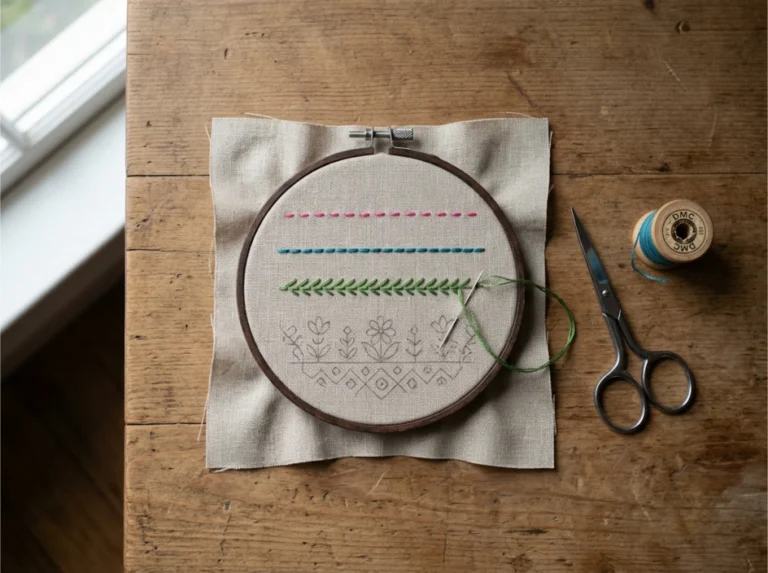
Embroidery repairs use visible stitching to cover or surround small damage with thread. Some stitch around the tear using lines or shapes to close the gap, while others fill the space with curves or dense loops. Cotton and linen work well because they hold shape without stretching. Each stitch stacks against the last until the shape fills in the torn area.
Patchwork Mending: Bold Fabric Fixes That Stand Out
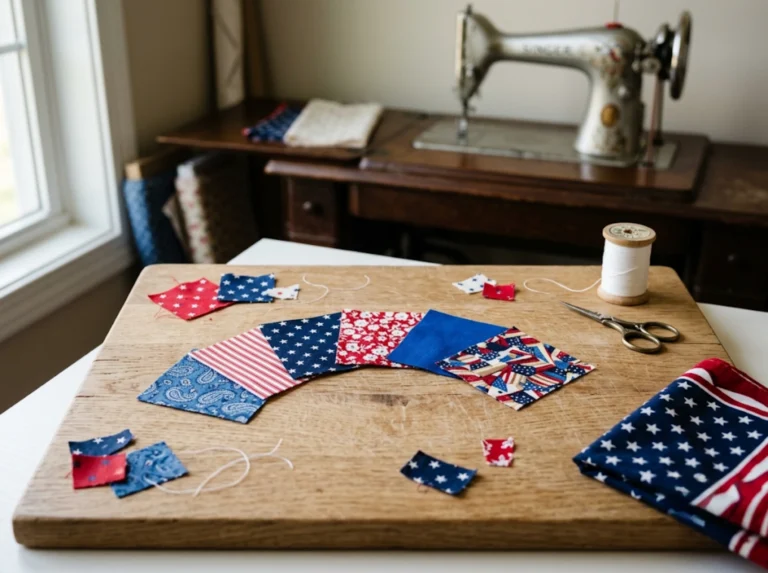
Patchwork mending replaces torn sections with fabric scraps sewn directly onto or behind the damaged area. Menders place the patch behind or over the tear, then sew around the edge using a simple stitch. Some pick cloth from shirts or sheets that match the color and weight of the garment. Others use artsy prints, contrast thread, or visible edges that don’t hide the patch at all. Once sewn down, the patch shifts the shape or weight of that section, especially around knees, cuffs, or elbows, where the fabric moves most.
Clothes Worth Keeping, Stitches and All
Repairs don’t have to be perfect to be worthwhile. A crooked line of stitches or a patch that stands out doesn’t make a garment less wearable. It actually shows that someone took the time to mend it when they could have let it go. What story could your clothes tell if you gave them the chance?
FAQs: Visible Mending
- What is visible mending?
Visible mending is a way to fix damaged clothes using bold stitches or patches that stand out instead of blending in. - How is visible mending different from regular repair?
Instead of hiding the fix, visible mending turns the repair into a design element. - What’s the point of keeping the repair visible?
It celebrates the garment’s age, adds personality, and keeps it in use longer. - Where did visible mending come from?
It draws from Japanese techniques like sashiko and Boro, which combine strength and decoration. - Do I need sewing experience to start?
No—basic stitches, patches, or embroidery are enough to begin. - What kind of fabric works best for mending?
Denim, canvas, cotton, and linen hold stitches well and don’t stretch too much. - Can I use scraps or old clothes as patch material?
Yes—fabric from worn-out shirts or sheets makes great patch sources. - What’s sashiko stitching?
Sashiko uses simple, repeated stitches—often white thread on indigo fabric—to reinforce and decorate. - Is embroidery a good method for mending?
Yes—it works well for small damage and lets you turn a tear into a stitched shape or design. - Why do people post their mending projects online?
They share progress, show what’s possible, and highlight why they kept the garment.