TLDR: DIY Pleated Drapes
- The post walks you step-by-step through making pleated drapes: measuring, cutting, hemming, adding pleater tape, inserting hooks, and hanging.
- It stresses fabric choice, pattern matching, fullness, and length as the key factors that make pleated drapes look truly great.
- It highlights pleater tape as the main “secret weapon” for getting even, professional-looking pleats with less effort.
Updating your home decor can be satisfying and cost-effective, even more so when making DIY projects. One such task that can significantly enhance any room’s elegance is sewing your own drapes. This article provides a detailed guide on how to make DIY pleated drapes that can transform your windows into amazing focal points.
Crafting DIY Pleated Drapes: A Step-by-Step Guide
Are you ready to give your home a stylish upgrade? This guide shows you how to create impressive DIY pleated drapes from start to finish.
Materials Needed
Gather your tools and supplies:
- Fabric of your choice
- Pleater tape
- Sewing machine
- Thread matching your fabric
- Scissors
- Measuring tape
- Pins
- Pleater hooks
- Iron and ironing board
1. Measure Your Windows
Measure your windows’ width and height. For DIY pleated drapes, multiply the width by 1.5 to 2 times, depending on how full you want the pleats. Add extra length for the hem and top seam allowances.
2. Cut the Fabric
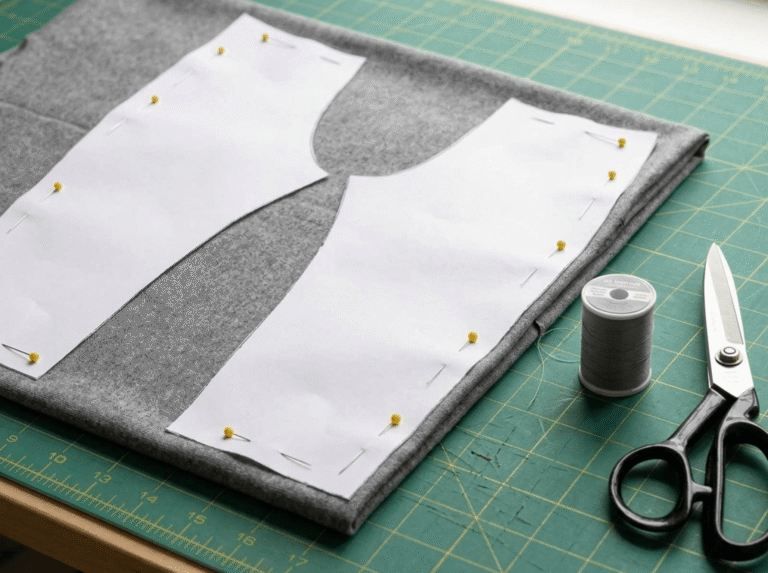
Cut the fabric according to your measurements. Then, include enough fabric for the hem and seam allowances. When cutting a patterned fabric with multiple panels, remember to align it correctly.
3. Hem the Edges
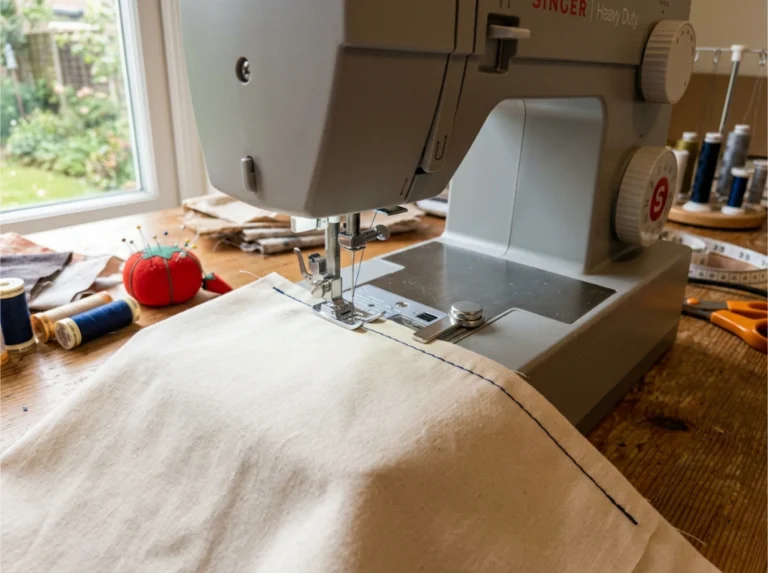
Hem the fabric panels’ sides by folding the edges by about half an inch, pressing with an iron, and folding again by another half inch to hide the raw edge. Pin the edges and sew along the fold. For the bottom hem, fold it wider (about 2 to 3 inches) for a polished finish, then sew it in place.
4. Attach the Pleater Tape
Lay the fabric flat with the top edge facing you. Then, align the pleater tape with the top edge to ensure it’s even. Position the tape so the hook pockets face upwards, which makes them easy to access later. Finally, pin the tape and sew along both edges to secure it.
5. Insert the Pleater Hooks
Slide the pleater hooks into the tape pockets. Space the hooks evenly to create uniform pleats when you hang the drapes.
6. Hang Your Drapes
Once all hooks are in place, your DIY pleated drapes are now ready for hanging. Attach the hooks to your curtain rod or rings. Lastly, adjust the pleats by pulling the fabric gently and hanging them correctly.
Final Touches
After hanging, take a step back and check your drapes. Make any necessary adjustments to the pleats and ensure the hems are even. In addition, you might want to steam or iron the drapes to prevent additional fabric creases.
Tips for Perfect Drapes
Creating stunning drapes is all about the details. This section helps you pick the best fabric, match patterns, and get the right length and fullness. To make your drapes stand out, follow these simple tips:
- Fabric Choice: The type of fabric you choose can affect how your pleats hang. Heavier fabrics like velvet or linen create more structured pleats, while lighter fabrics like cotton or sheer materials add a softer look.
- Pattern Matching: If you’re using patterned fabric, match the patterns at the seams for a polished look.
- Fullness: For full pleats, multiply your window width by 2.5 to 3 times when cutting your fabric.
- Custom Length: Ensure the length of your drapes is just right, as too short or too long can affect the overall appearance.
Benefits of Using Pleater Tape
Using pleater tape simplifies creating pleats, ensures evenness and makes your final work more professional-looking. This method is particularly beneficial for sewing enthusiasts looking for a quick and effective way to enhance their window treatments. Moreover, pleater tape allows you to adjust pleats easily by repositioning the hooks.
Final Touches
Sewing DIY pleated drapes is a rewarding DIY project that elevates a room’s appearance. We hope you enjoy making something that reflects your taste as it improves your space. So grab your sewing machine, select your fabric, and gives your windows the dressing they need today!
FAQs
Q: What fabric works best for pleated drapes?
A: Heavier fabrics like linen or velvet hold structured pleats, while cotton or sheers give a softer look.
Q: How wide should my fabric be for full pleats?
A: Plan for 1.5 to 2 times your window width or up to 3 times if you want very full pleats.
Q: Do I need pleater tape to make pleated drapes?
A: No, but it makes even pleats easier and gives a more professional finish.
Q: How do I match patterns when cutting panels?
A: Align the print before cutting so the design lines up across seams.
Q: Can I adjust the pleats after hanging?
A: Yes. You can reposition pleater hooks and gently shape the pleats once the drapes are on the rod.
Your home deserves more! Click here for additional tips on creating beautiful DIY pleated drapes and other decor upgrades.