
Quick Look
The best free sewing patterns for beginners and kids are no-fit, woven-cotton projects you can finish in one sitting: pillowcases, totes, and elastic-waist skirts. Check your machine sews a clean straight stitch, skip knits and zippers on your first make, and start with the kids’ skirt below.
Where Should an Absolute Beginner Start?
Start with your machine, not your pattern, because most “I quit” stories are jammed machines, not bad sewists.
The free sewing patterns worth your time all begin the same way, with a machine that actually works. One maker put it plainly: “I spent $50 on fabric, and the whole thing puckered. I don’t even know if it’s the tension, the needle, or if I broke the machine.” (Reddit, r/sewing)
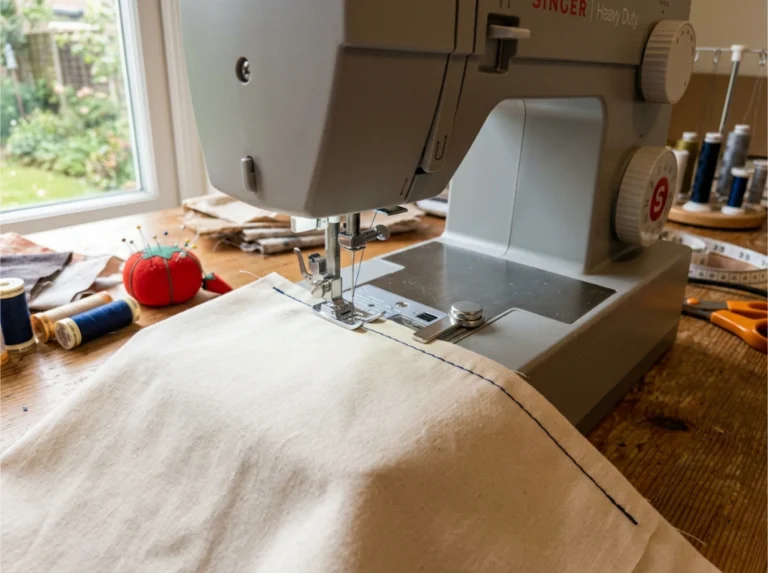
Run a three-line check before you cut. Re-thread the machine from scratch, top and bobbin, since incorrect threading is one of the most common causes of stitch problems. Sew a test line on a scrap of your real fabric. If the stitch loops or puckers, loosen the top tension one notch and test again.
There is a real split here. If you have sewn before and quit after one flop, finish something fast tonight, because a win rebuilds nerve. If you have never finished a project, sequence instead: a no-fit pillowcase or tote, then an elastic-waist skirt, then anything fitted. Either way, the machine check comes first.

- 27 Unique Built-in Stitches: The Brother XM2701 sewing machine includes 27 built-in stitches including decorative, blind hem, zigzag, and stretch stitches and an auto-size buttonhole
- Automatic Needle Threader and Drop-in Top Bobbin: This beginner sewing machine is also great for experienced users; it includes an automatic needle threader that perfectly pushes thread through the needle and a convenient, jam resistant drop-in top bobbin
- Included Accessories: The XM2701 comes with 6 sewing feet, 3-piece needle set, twin needle, 4 bobbins, manual and more
- Versatile Free Arm: This free arm sewing machine is a simple sewing machine, perfect for a wide range of everyday sewing projects, and users from beginners to advanced
- At Your Side Support: The XM2701 small sewing machine comes with Brother At your side support offering free technical support via online, live chat or phone for the life of your machine

What Makes a Free Pattern Beginner-Safe, and What Hides the Hard Parts?
A free pattern is only free if it does not cost you a quilt, so screen every one for hidden difficulty before you start.
Not all free sewing patterns are built for beginners, even when they say they are. One sewist warned that the low-quality ones “are likely the first patterns beginners buy and give sewing such a bad rep.” (Substack) Three red flags tell you to keep scrolling. First, no size range, which means guesswork at the cutting table. Second, knit or stretchy fabric on the first project, since knits need different needles and settle unevenly. Third, a zipper or buttonhole labeled as easy.
The beginner-safe ones share a short list of traits: woven cotton, a real size chart, clear photos, and finished measurements you can check against the body you are sewing for. That short screen is what separates good free sewing patterns from the rest. With those, the worst case is a wonky seam, not a wasted afternoon.
Which Free Sewing Patterns Are Best for Kids?
The best patterns for kids grow with the child, because kids outgrow everything in a season.
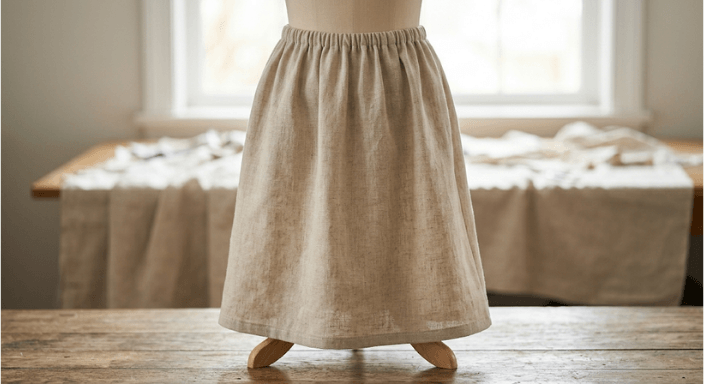
Favor designs with built-in give: elastic waists, drawstrings, and adjustable straps. An elastic-waist skirt often fits for two seasons because the waist stretches as the child grows. Cut length on the long side and use a deep hem you can let down later.
Plenty of free sewing patterns are designed specifically for kids, but the same screening rules apply. Here is the honest part most roundups skip. Because kids outgrow clothes so fast, the most budget-smart option is sometimes no new garment at all. Resizing a hand-me-down or mending a torn knee counts as sewing, too, and saves fabric you would otherwise replace within months. Make new ones when you want to. Just know the cheapest option, no new free sewing patterns required, is often already in the closet.
Want the simplest place to begin? The walkthrough below drafts a kids’ skirt from a single measurement, so the pattern is free and it fits the exact child in front of you. It is one of the most beginner-friendly free sewing patterns you can make.
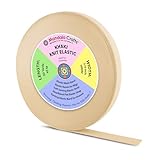
- Durable Sewing Elastic Strap / Bandas Elasticas: Made from polyester & rubber, the sturdy wide elastic band is washable & dryable. The flat elastic roll serves as great khaki fabric elastic bands for sewing, elastic waist band, & adjustable elastic bands for wigs.
- Knit Elastic for Sewing, Knitting, & Crocheting: The breathable sewing elastic band makes perfect fabric waistband for dress elastic band, waist elastic band for sweatpants; polyester elastic band replacement for skirts & pajamas, and shorts & pants elastic band.
- Clothing Elastic Sewing Strap: The sewing elastic band is great flat elastic cord for jacket tighteners, garters, belts, bags, corsage, band elastic for sport garment & swimwear, soft elastic band for maternity clothes, & flat elastic strap for headbands.
- Craft Flat Elastic Band / Elasticos para Costura Easy to Cut & Glue: The odorless elastic stretchy band for adults is fray-resistant. Pairing well with fabric, knit, & leather, the knitted elastic band will not deform and can stretch about 90% of the original length.
- Bulk 50 Yards Non Roll Elastic Band Spool: Compared to braided stretch strap cords and other elastic webbing, the lightweight 2mm thick elastic band has more long-lasting elasticity. The 3/4 inch wide elastic for sewing is easy to sew on by hand or machine.
How Do You Sew a Kids’ Elastic-Waist Skirt, Start to Finish?
This skirt is drafted from one waist measurement, so there is nothing to print or trace. It uses woven cotton and skips zippers entirely. Plan on 60 to 90 minutes of active work for your first one. Before you begin, you should be comfortable sewing a straight stitch, backstitching to lock a seam, and loading a bobbin.
-
Measure and do the math.
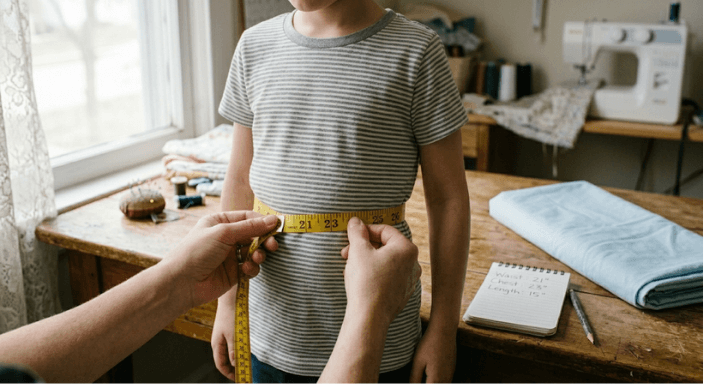
Measure the child’s waist, then choose your skirt length. Each rectangle’s width is the waist times 1.5, divided by 2. Its height is your length plus 2.5 inches, for the casing and hem. Cut two matching rectangles.
-
Sew the side seams.
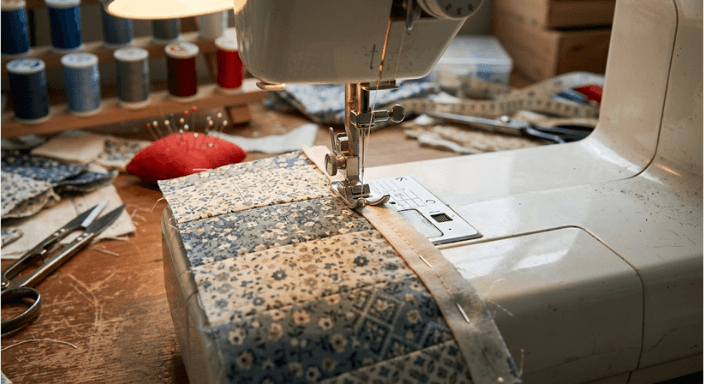
Place the rectangles right sides together. Pin both short sides, then sew each with a half-inch seam allowance, backstitching at the start and finish. Zigzag the raw edges so they do not fray, then press the seams. You now have a tube.
-
Fold and stitch the casing.
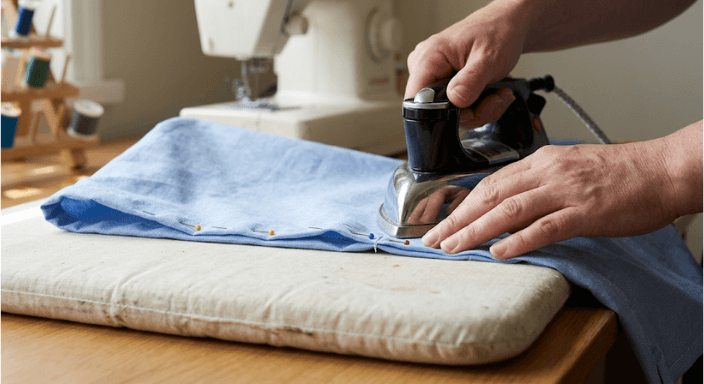
At the top edge, fold down a quarter inch and press, then fold down another 1.25 inches and press again. Pin all the way around. Stitch close to the bottom of the fold, but leave a two-inch gap open for the elastic.
-
Thread the elastic.
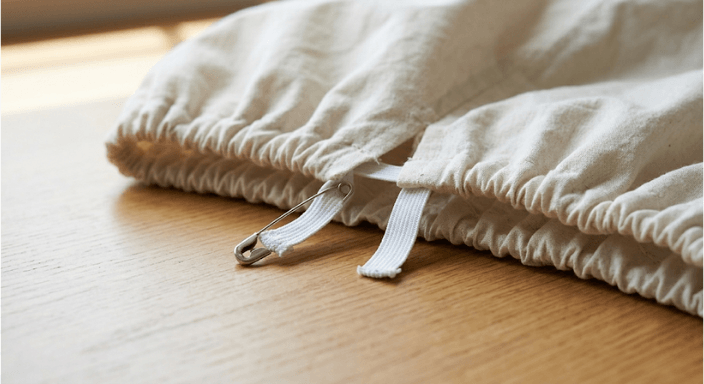
Cut the elastic to the waist measurement minus one inch. Pin a safety pin to one end, push it through the gap, and gather the fabric along it until it emerges the other side. Overlap the ends by one inch, stitch them together, then close the gap.
-
Hem the bottom and press.
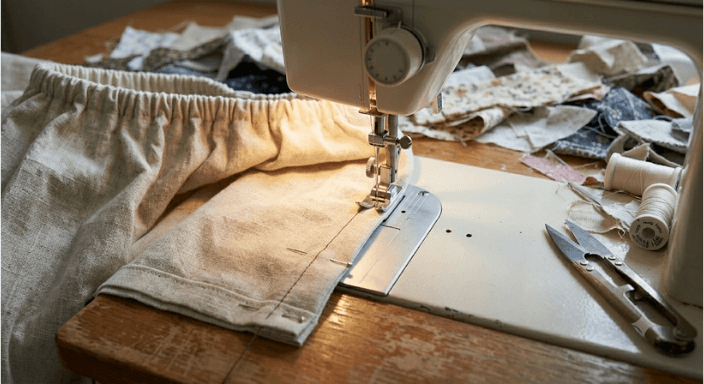
Fold up a half inch and press, fold up another half inch and press, then pin. Stitch close to the top of the fold all the way around. Give the whole skirt a final press, and it is done.
If a seam puckers, loosen the tension and test on scrap. If the elastic twists inside the casing, pull it flat before joining the ends. None of these means you failed. They mean you are sewing.
What Are the Best Free Summer 2026 Projects for Beginners?
Summer rewards light, woven-cotton projects that beginners and kids can wear the same week.
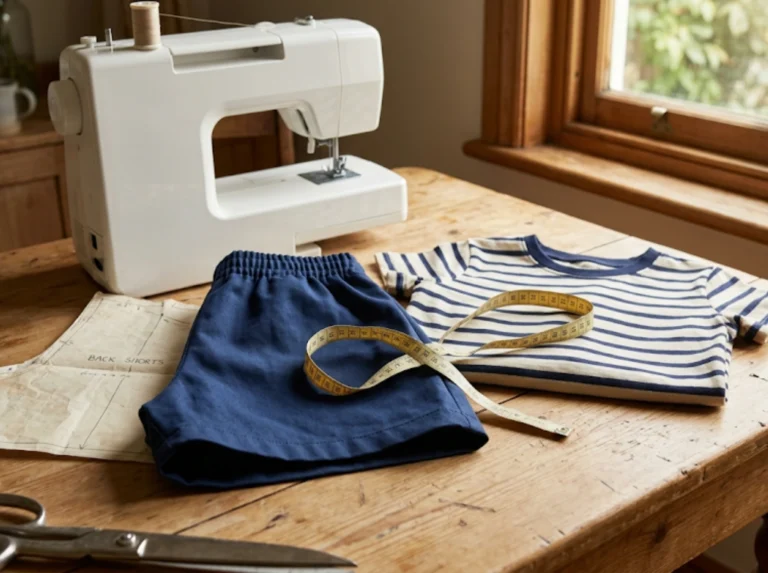
Think drawstring shorts, reversible sun hats, and beach totes. They use the same forgiving cottons and skip fitting almost entirely, ideal for repeats once the skirt is behind you. The free sewing patterns that shine in summer keep the part count low and the fabric breathable. For any of them, you need only a few notions: a light woven cotton (a budget yard runs a few dollars at most fabric shops), all-purpose thread, and three-quarter-inch elastic. Buy slightly more than the pattern lists, since beginners make mistakes.

- Suitable for use with all fabrics whether sewing by hand or machine, and for many applications - seams, overlocking, button holes, fine ornamental and decorative stitching
- Sew-All combines the excellent sewing properties of silk with the strength and durability of polyester
- Guaranteed no-twist and lint free. A soft and supple thread, light resistant and colour-fast, and in an extensive range of brilliant colours with a silk-like gloss
- Recommended machine needle: Universal, size 70 to 90
- 100% polyester.
Affiliate disclosure: This section links fabric and notions. We may earn a small commission at no extra cost to you, and we only recommend tools and fabrics we have tested.
Your First Free Pattern, Start to Finish
You do not need talent to make something a child will actually wear. You need a working machine, a beginner-safe pattern, and one finished project to prove you can. One maker described the payoff this way: “My clothes look store-bought, and people actually ask where I got them.” (PatternReview.com) Free sewing patterns give you that proof for the price of fabric and an afternoon. The best ones are simply the ones you finish. Start with the skirt, or start with a tote. Just start, and finish.
Get the Free Kids’ Skirt Walkthrough
Download the complete start-to-finish guide, measuring through hemming, then join the email list for new free sewing patterns and beginner projects every week.
Check out Easy Sewing Project – How to Sew a Skirt with Elastic Waistband for Beginners from Nhung Sewing.
Frequently Asked Questions
-
Do I need an expensive sewing machine to use free beginner patterns?
No. Any basic machine that sews a straight and zigzag stitch handles every beginner’s free pattern here. Borrowed and secondhand machines work fine once they are cleaned and re-threaded. Spend on sharp fabric scissors and good thread before a fancier machine, since those affect your results far more than extra stitch settings do.
-
Can I use a knit or jersey fabric instead of woven cotton for these patterns?
You can, but wait until you have a few woven projects finished first. Knits need a ballpoint or stretch needle and a stitch that flexes, like a narrow zigzag, or the seams pop when stretched. For a first kids’ make, woven cotton stays put and forgives uneven stitching far better.
-
How do I store free PDF patterns so I can reuse them?
Save digital files in one clearly named folder and back them up, since download links expire. For printed patterns, label each piece with the size and date, then store them flat in a marked envelope. Keep the child’s current measurements in the file so your next make goes faster.
-
Why won’t my bobbin thread catch when I start a project?
Usually, the top thread is not seated in the tension discs, or the machine was threaded with the presser foot down. Raise the foot, re-thread the top from scratch, and check that the bobbin turns the correct direction for your machine. Hold both thread tails behind the foot on your first few stitches.
-
How do I adjust a free kids’ pattern as the child grows?
Add length at the lengthen-shorten lines, not only the bottom edge, so the proportions stay right. For more room, trace the next size up at the waist and hips while keeping the length you need. Sizing varies by designer, and bodies vary, so check the finished measurements, not the size label.
-
How much seam allowance do free patterns usually use?
Most patterns use a five-eighths-inch seam allowance, but simple beginner and free patterns often use one-half inch. Always check the pattern, since sewing the wrong allowance changes the finished size. When a free pattern does not state it, half an inch is a safe default for woven projects.
-
Is sewing for kids actually cheaper than buying their clothes?
Not always, once you count fabric, thread, and your time. Sewing for kids wins on fit, fabric quality, and the pride of a handmade piece more than on price. The real savings come from reusing free patterns and leftover fabric across several makes, so your first project rarely beats a sale rack.
Why did you vote that way? Drop your take in the comments.