
Ever stare at your trash bin and sigh at the pile of single-use items? Plus, it’s concerning to know that these products will most likely sit in landfills for years. Why keep buying them when you can create zero-waste versions? Sewing your own reusable items can help the planet and reduce your spending. This guide walks you through several eco-friendly projects you can use for gifting, grocery runs, and more. Ready to make the switch? Let’s get stitching!
TL;DR: Eco-Friendly Projects: Creative Ways to Reduce Waste and Save Money
- Encourages sewing reusable items (such as fabric gift bags, makeup pads, and grocery totes) to reduce single-use waste and save money on disposable counterparts.
- Highlights beginner-friendly projects using durable natural fabrics (cotton, linen, flannel) and basic tools, so sustainability meets accessibility.
- Emphasises up-cycling and choosing sturdy fabrics so sewn items last longer, meaning fewer replacements and less landfill waste.
- Provides clear tutorials and material lists for swaps you can make right now, showing practical stitching for everyday life, not just “crafts”.
Relate: Eco-Friendly Fabrics Explored: Bold, Sustainable Choices for Your Creations!
Eco-Friendly Projects: Craft Reusables for Everyday Living
If you care about the planet and want solutions that make your routine easier, these projects are for you. They’re perfect for beginners and for those who love practical and homemade items.
Eco-Friendly Fabric Gift Bags
Want an eco‑friendly alternative to traditional wrapping paper? These fabric bags are made from sustainable fabrics like cotton or linen, which makes them sturdy and washable. Add a cute ribbon or sew on a button to make it extra special.
Tools and Materials:
- Cotton or linen fabric
- Matching thread
- Ribbon or cord for the drawstring
- Fabric scissors
- Safety pin
- Ruler or measuring tape
- Pins or clips
Instructions:
- Pick Your Fabric: Choose a cotton or linen fabric you love. Prewash it first to prevent shrinking later.
- Cut to Size: Cut out two rectangles slightly larger than your gift and add an inch to each side for seam allowance.
- Sew the Sides: Place the two pieces together with right sides facing in. Sew along the sides and bottom and leave the top open.
- Finish the Top Edge: Fold the top edge down twice, then sew it in place to create a neat finish.
- Add a Drawstring or Ribbon: Thread a ribbon or cord through the top hem so you can easily close the bag.
- Personalize: Sew on a pocket or add a cute tag to make it extra special.
Reusable Makeup Pads
Do you feel bad tossing out stacks of single-use cotton pads? You can craft reusable makeup pads from flannel or cotton jersey in no time at all. These cloth rounds wash and dry quickly for your next skincare session.
Tools and Materials:
- Soft flannel or cotton jersey fabric
- Thread to match or contrast
- Small glass or jar lid (for tracing circles)
- Fabric scissors
- Sewing pins or clips
Instructions:
- Pick Your Fabric: Soft flannel and cotton jersey work best as they feel gentle on the skin.
- Cut Circles: Use a small glass or jar lid as a guide to trace circles onto the fabric. Cut out two circles for each pad.
- Stack and Sew: Place two fabric circles together with the softer side facing out. Sew around the edge using a tight zigzag or straight stitch.
- Trim Edges: Carefully trim around the pad to avoid rough edges or loose threads.
- Clean Before Use: Wash the pads to make them extra soft and remove any leftover lint.
Sustainable Grocery Tote Bag
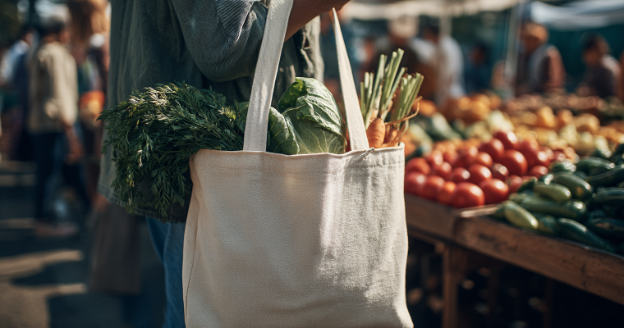
Ever stood at the supermarket checkout and wondered if that plastic bag might split open before you make it home? Instead of unreliable and wasteful bags, you need a tote you can trust. This DIY grocery bag can carry a heavier load due to its sturdy seams and rugged fabric. You can double‑stitch the handles to make the carryall extra durable.
Tools and Materials:
- Sturdy cotton canvas, denim, or linen fabric
- Matching thread
- Fabric scissors
- Measuring tape or ruler
- Pins or sewing clips
- Sewing machine or sturdy needle (for hand sewing)
- Optional: snap, button, or Velcro for closure
Instructions:
- Pick Your Fabric: Select a thick cotton canvas or sturdy linen to ensure your bag can withstand heavy groceries without tearing.
- Cut Pieces: Cut two large rectangles for the body of the tote and two strips for the handles.
- Sew the Body: Place the rectangles together with right sides facing in. Sew along both sides and the bottom, and leave the top open.
- Make and Attach Handles: Fold each fabric strip lengthwise, sew along the edge, then turn right side out. Attach the handles to the top of the bag and sew them in place using a square and “X” pattern.
- Finish Edges: Fold the top edge of the bag down twice and sew it in place for a clean, fray-proof finish.
Eco-Friendly Projects: Sewing for a Greener Tomorrow
Sewing eco-friendly projects helps reduce the use of single-use plastics. Over time, these greener choices can add up and result in less waste being sent to landfills or waterways. Even one handmade swap can inspire others and build new habits that benefit the environment. Here’s to making less waste and being kinder to the planet!
FAQs: Eco-Friendly Projects
- What are eco-friendly sewing projects?
Eco-friendly sewing projects use reusable materials or upcycled fabric to replace disposable items and reduce waste. - Do I need advanced sewing skills for these projects?
Nope! Most of these projects are beginner-friendly and use simple stitches. - What’s the best fabric for eco-friendly bags and pads?
Cotton, linen, and flannel work well; they’re durable, washable, and biodegradable. - Can I use old clothes or scraps for these eco-friendly projects?
Yes! Upcycling old shirts or leftover fabric is a great way to make your projects even greener. - How do I keep my reusable makeup pads clean?
Just toss them in the washing machine with your regular laundry. - Will homemade bags really last as long as store-bought ones?
If you use sturdy fabric and reinforce seams, homemade bags can last for years. - Are fabric gift bags and totes safe for food?
Yes, as long as you use clean, food-safe fabric and wash bags regularly. - How can I personalize these projects?
Add pockets, tags, embroidery, or use printed fabrics you love. - What tools do I need for these sewing projects?
Basic tools like scissors, pins, a sewing machine (or needle and thread), and a ruler will do the trick. - How do these projects help the environment?
They reduce single-use waste and encourage reusing and recycling, which means less trash and resource use in the long run.