Ever stared at your fabric stash and thought, “I just need a few days to stitch in peace”? A quilt retreat might be just the break you need. It allows you to focus on your work and helps recharge your creative batteries. Let’s break down what a quilt retreat is and how to prepare for your first one.
TL;DR: Quilt Retreat: Escape Distractions and Connect with Fellow Stitchers
- A quilt retreat offers a getaway where you can focus solely on sewing, set aside everyday distractions and immerse yourself in projects at your own pace.
- These events are beginner-friendly: participants of all skill levels gather, share tools and tips, and sew side-by-side in a supportive environment.
- Preparation matters: pack your machine, essential tools (rotary cutter, rulers, power strip), at least one project goal, and comfort items for long stitching sessions.
- Retreats typically provide communal space for sewing, sometimes meals or housing, and give you the gift of uninterrupted craft time plus the opportunity to connect with other makers.
- The experience is not just productive—it’s rejuvenating: you return home with fresh inspiration, new friends, and often meaningful progress on your quilting or sewing projects.
Related: National Quilting Day Inspiration: Fresh Designs to Ignite Your Creative Spark!
What Is a Quilt Retreat?
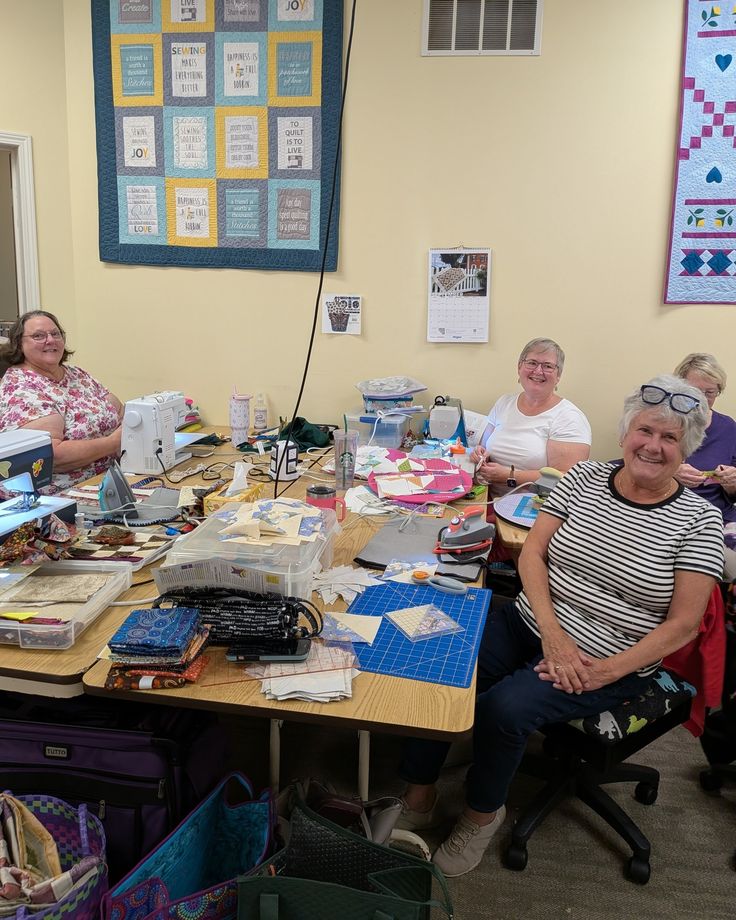
A quilt retreat is a multi-day event where quilters gather to work on personal projects. Unlike a class, there’s no structured agenda: you bring your own projects and sew at your own pace. Hosts usually set up shared stations for cutting and ironing, so you can leave extra sewing gear behind. You also get to decide when to socialise and take a break.
Why Beginners Fit Right In
Retreat hosts welcome every skill level. You don’t need years of experience or a complex project to join in. One quilter might piece simple blocks at her table while another might hand-quilt a small wall hanging in the evening. Someone else could learn a new stitch right then and there. If you hit a snag, there’s always a fellow maker who’s happy to offer a helpful tip. These quilt gatherings allow you to practice skills alongside people who share the same passion.
How to Prepare for a Quilt Retreat
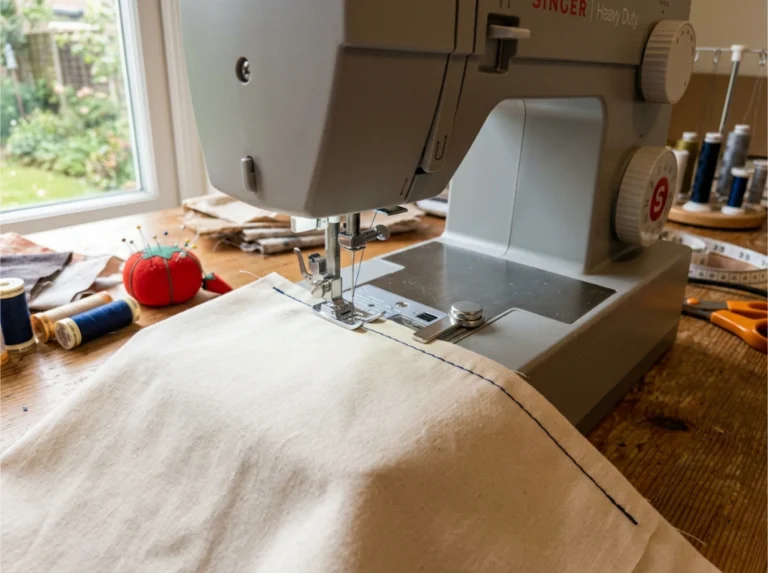
Think of a quilt retreat as a creative sleepover. Pack your sewing machine, rotary cutter, fabric scissors, thread, rulers, and power strips. Label each tool to avoid mix-ups and stash a spare pair of scissors or an extra seam ripper just in case someone borrows yours. Then slip your tools into a tote or caddy for easy access.
Additionally, pack a cozy sweater and a seat cushion so you can stay warm and sit comfortably during long stitching sessions. Throw in non-messy snacks like wrapped chocolates or granola bars to keep energy up without risking fabric stains. Before you go, pick one or two loose goals such as finishing a quilt top or simply enjoying uninterrupted stitching time. Having a clear focus helps you make the most of every minute.
What You’ll Do All Day
First, settle in at your table and unpack your sewing machine, thread, rulers, and fabrics. Once everything’s in place, dive into stitching without worrying about a schedule or checklist. Sew until you need a break, then stretch or grab a snack. When morning arrives, pick up exactly where you left off.
Many quilters pack two projects to keep things fresh. They might piece a quilt top on their machine during the day and switch to hand-stitching or appliqué in the evening. Best of all, meals are usually included, so you won’t need to worry about what’s for dinner.
Registration and Fees
Visit the retreat host’s website to review the dates and check the requirements. Next, complete the online form and submit the required deposit by the stated deadline. Finally, check for a confirmation email to secure your spot and review any pre-retreat instructions.
Retreat fees for a quilting weekend gathering typically range from $250 to $400 per person. If meals aren’t included, set aside roughly $30 per day. Otherwise, allocate about $20 for extra supplies, fabrics, and other add-ons. Use a simple spreadsheet to record every expense and avoid unexpected costs.
Ready to Join the Fun?
Maybe you’re only planning to finish your quilt top or master a new technique. But who knows, you might leave the retreat with fresh ideas or a new quilting friend. If this feels like the sign you’ve been waiting for, ask at your local quilt shop or visit Sewing.com to explore upcoming events near you.
10 FAQs
- What is a quilt retreat?
A quilt retreat is a multi-day event where quilters focus on projects and connect with fellow stitchers. - Who can attend a quilt retreat?
Beginner and experienced quilters both attend and learn in a supportive environment. - What projects suit a quilt retreat?
Bring any sewing project, from simple patchwork to advanced quilt tops. - How do I register?
Visit the host’s website, fill out the registration form, and submit your deposit. - What does registration cost?
Retreat fees typically range from $250 to $400 per person. - What should I pack?
Pack your sewing machine, rotary cutter, fabric scissors, thread, rulers, power strips, and a comfy cushion. - Are meals included?
Many retreats include breakfast and lunch; others require a small meal stipend. - How do I set goals?
Choose one clear goal, such as finishing a quilt top or learning a new technique. - Can I work at my own pace?
Yes. Quilters sew on their own schedule without formal deadlines or checklists. - How do I find local retreats?
Check quilt shop bulletin boards or search Sewing.com for nearby event listings.