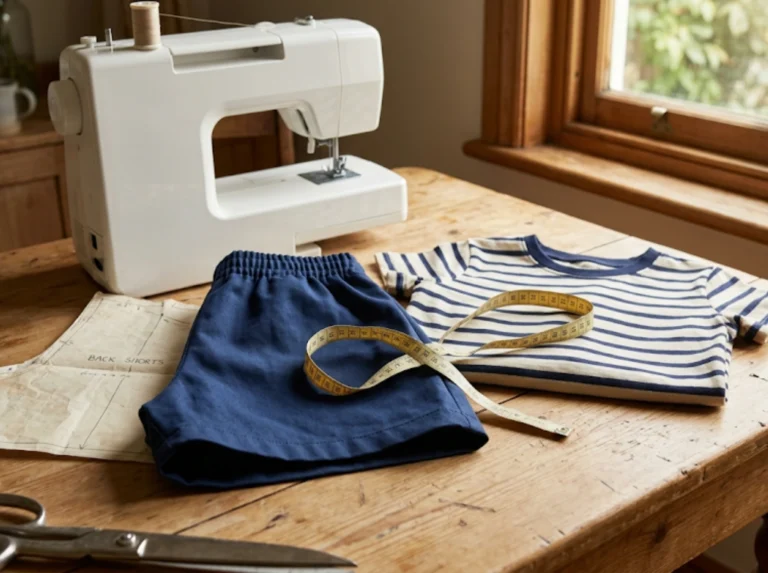

Lightweight fabrics feel soft on the body and look breezy in motion. Under the needle, however, they tend to behave differently. If you’ve previously crafted basic pieces like tote bags or hair scrunchies, you might feel ready to try real summer clothes. This beginner’s guide to sewing lightweight fabrics gives you tools that make those delicate projects easier to manage.
Working with lighter fabric involves materials that can shift, stretch, or crinkle in ways heavier cotton or canvas don’t.
TL;DR: Beginner’s Guide to Sewing Lightweight Fabrics
- Explains how to work with delicate, lightweight fabrics like chiffon, voile, organza, and georgette, fabrics that shift, fray, or stretch easily.
- Recommends using fine needles (70/10 or smaller), lightweight thread, and sharp shears to avoid snags and puckering.
- Shares techniques for better control: French seams, tissue-paper stabilizing, proper pressing, and slow stitching for smooth, professional results.
- Highlights the importance of cutting on-grain, using pattern weights, and reducing fabric movement to keep pieces accurate and prevent distortion.
Related: Eco-Friendly Fabrics Explored: Bold, Sustainable Choices for Your Creations!
Sewing Lightweight Fabrics: Where to Start and What to Fix

This guide breaks down the process of sewing lightweight fabrics into manageable clothing parts. It’ll walk you through fabric selection, machine setup, and sewing steps that help keep your fabric steady and your seams clean.
Choose Materials That Work With You
Not all lightweight fabrics behave the same way. Chiffon, rayon, voile, and charmeuse fabrics require more control as they fray easily and show every small error in stitching.
For your first few projects, try cotton voile, soft linen, or cotton lawn. These fabrics hold their shape better but still feel light when worn. You can fold, pin, and press them without the fabric slipping or stretching out of shape. Super sheer or glossy materials respond better once you’ve made a few lightweight garments.
You can test a fabric’s behavior by holding it along one edge. If it stretches or curls on contact, it may require more care. If it keeps its shape while staying light, then it’s easier to work with.
Prep Like It’s Half the Work
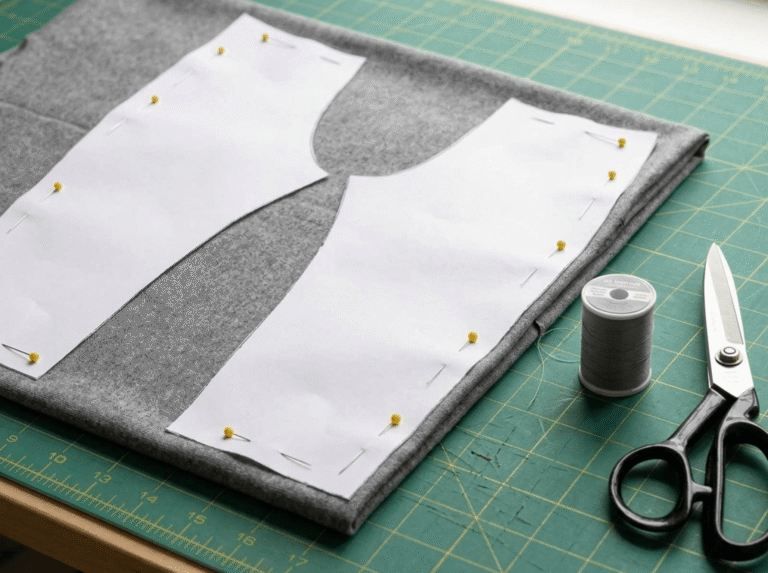
Cutting and pinning soft fabric takes a different approach. Place it flat on a hard, smooth surface. Avoid carpet or layered fabric underneath. A rotary cutter and pattern weights help limit shifting. If you’re using scissors, work slowly and keep the fabric flat while cutting.
Additionally, pin only inside the seam allowance. Some pins may leave holes, especially in silk or chiffon. Test first on scraps or use clips or extra-fine pins designed for delicate materials.
Before cutting your main pieces, run tests on scrap fabric. You’ll see how the fabric responds and spot problems early. Check for uneven fabric lines or curled edges so you can adjust your layout as needed. Taking time here helps the sewing process go more smoothly later on.
Make Small Machine Adjustments To Prevent Big Problems
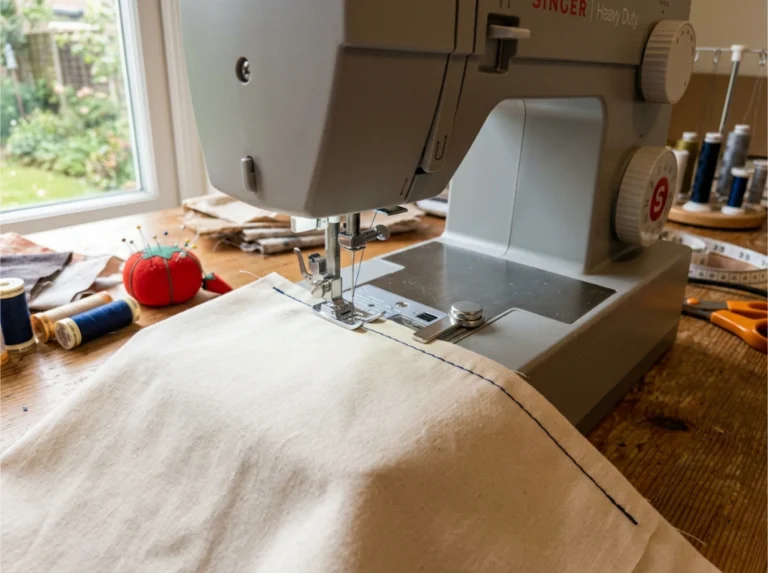
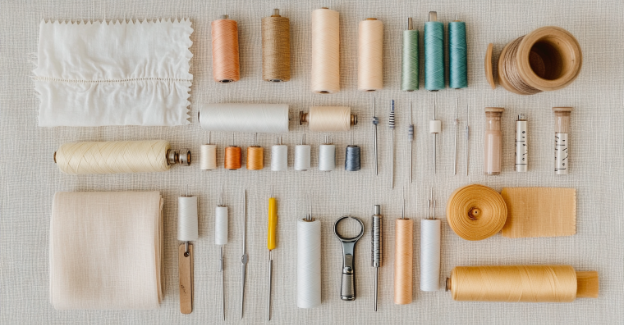
Lighter fabric needs a lighter setup. Start with a fresh, fine needle. A size 70/10 or Microtex needle works well and moves through the fabric cleanly. This helps avoid skipped stitches or visible holes.
Use a short stitch length, about 2mm, for cleaner seams. Lower your thread tension slightly if the fabric puckers or stretches. Always test on scraps before sewing real pieces.
If your fabric shifts too much while sewing, try a walking foot. This type of presser foot moves fabric from both the top and bottom at the same time. It can help with multi-layered or slippery fabric, though not every project needs it. Moreover, wind your bobbin slowly. Fast winding builds tension in the thread, which may tighten seams or pucker the fabric later.
Let the Fabric Set the Pace While You Sew
Lightweight fabrics move best when guided slowly. Tugging or pulling can stretch the seams or misalign the edges. Use light hand pressure and let the feed dogs carry the fabric through.
Place the fabric edge just behind the presser foot. This helps the feed dogs grip the edge smoothly without folding or jamming. Pause with the needle down when you need to reposition the fabric.
Additionally, use finishing techniques that keep edges from fraying. For example, French seams wrap the edge inside two rows of stitches, while narrow hems roll the fabric edge inward before sewing it down. Both methods give your piece a tidy finish that also holds up during wear. Sewing slowly with steady control works better than rushing.
You Don’t Need to Get It Perfect
When working with lightweight fabrics, you don’t need to master every detail on the first try. These materials take some getting used to, and this guide gives you the starting points that make a real difference. From prep to stitching, each step builds more comfort and skill. Which fabric are you most excited to try first?
FAQs
- What are lightweight fabrics?
Lightweight fabrics are thin, soft materials like chiffon, voile, rayon, or linen used for summer clothes. - Are lightweight fabrics hard to sew?
They can be tricky at first, but with the right prep and slow stitching, they’re manageable. - What’s the best fabric for beginners?
Cotton voile or soft linen are easier options that still feel light and breathable. - Do I need a special needle?
Yes. Use a fine needle, like a size 70/10 or Microtex, for better control. - Can I use regular pins?
Test first. Some fabrics need fine pins or clips to avoid damage. - Why is my fabric shifting while I cut?
It may not be flat enough. Use weights and a smooth surface to keep it stable. - What stitch length should I use?
A short stitch, around 2mm, works best on delicate fabric. - What’s a walking foot for?
It helps feed slippery fabric evenly through the machine. - How do I keep edges from fraying?
Try French seams or narrow hems to enclose raw edges. - What should I practice first?
Start with scrap fabric to test your cuts, pinning, and stitch settings.