Spring cleaning? Forget that! Go for spring refresh instead. DIY cushion covers are an easy way to brighten your home without spending a fortune. This guide will walk you through everything from picking fabrics to sewing flawless seams. Plus, you’ll pick up tips for making the process fun and stress-free. Let’s get those cushions spring-ready!
Why Make DIY Cushion Covers? ✨
Buying new cushions can get pricey, especially when trends change every season. Conversely, DIY cushion covers not only save money but also let you pick colors, patterns, and fabrics you truly love. Plus, handmade is always incredibly satisfying. Each stitch feels like a little victory, and the result is something you can call your own.
Here’s a step-by-step guide:
1. Pick Your Fabric
Decide on the look you want. Are you leaning toward breezy pastels or bold spring prints? Cotton and linen are great for beginners because they’re sturdy and easy to sew. However, don’t feel limited—repurposing old curtains, tablecloths, or even shirts works too.
2. Measure Twice, Cut Once
Grab your cushion and measure its width and height. Then, add one inch to each side to make extra room for seams. For example, if your cushion is 18×18 inches, cut your fabric to 19×19 inches. Accuracy matters here, so take your time.
3. Sew It Up
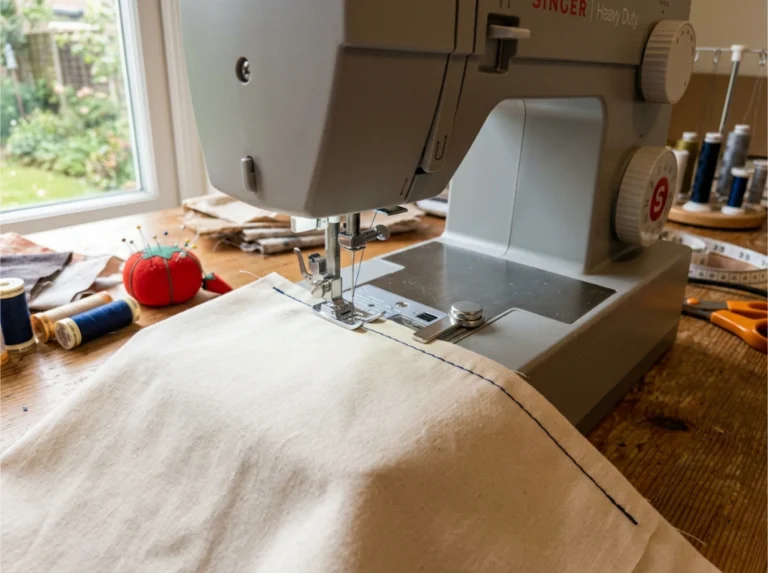
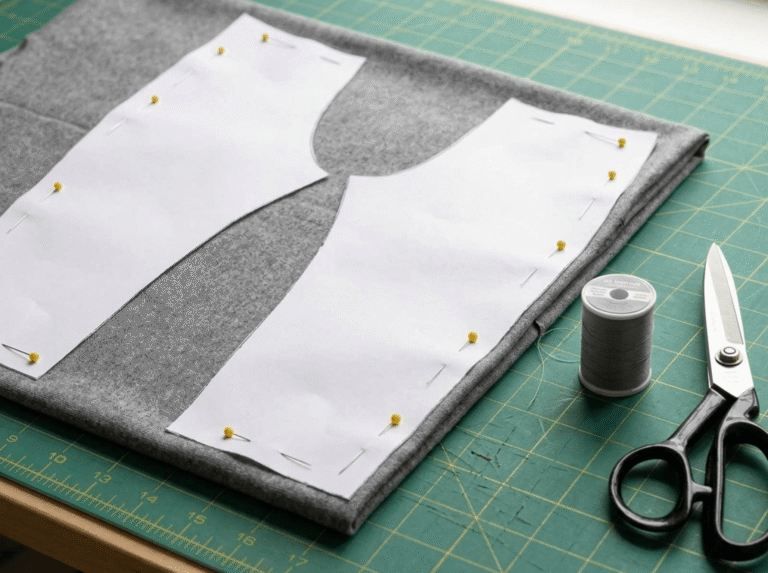
Place your fabric pieces together with the right sides facing inward. Then, pin the edges to hold them steady. Sew along three sides and leave one side open. Keep your stitches close to the edge for a neat finish.
4. Add a Closure (Optional but Fancy)
For an envelope-style cover, fold the edges of the open side inward by half an inch. Then, sew them down and overlap the flaps to create a pocket. If you’re feeling adventurous, add a zipper to make the cushion cover more functional.
5. The Grand Reveal
Finally, turn your cover right-side out and iron the seams. Insert your cushion, fluff it up, and voilà—your DIY cushion cover is ready!
Tips to Make It Even Easier
Here are some helpful tips for a smoother sewing process:
- Use Pins: They keep everything aligned while you sew.
- Practice First: Scrap fabric is perfect for testing stitches.
- Go Slow: Rushing leads to mistakes, so take your time.
Fun Ways to Personalize Your Covers 🎨
Basic covers are great, but why stop there? Add a splash of personality to make them truly yours.
- Pom-Pom Edges: Sew colorful pom-poms along the seams for a playful touch.
- Iron-On Transfers: Use pre-made designs for an instant upgrade.
- Patchwork: Combine different fabrics for a fun, eclectic look.
Quick Fixes for Common Issues 🛠️
Not everything goes perfectly on the first try, and that’s okay! Here’s how to handle common hiccups:
- Seams Look Uneven: Trim the excess and resew carefully.
- Fabric Keeps Shifting: Use more pins or switch to fabric clips.
- Lumpy Cushion Fit: Adjust the insert by fluffing it evenly.
Mistakes happen, but they’re part of the learning process.
Quick Ways to Refresh Your Whole Space with Cushion Covers 🌟
Cushion covers can do more than just update your couch. They also make your home extra warm and inviting. Want to brighten up your bedroom? Toss a few on the bed in complementary colors. Dining chairs looking tired? Add custom cushions for a pop of personality. Even outdoor spaces can benefit—just choose weather-resistant fabrics for your patio.
Moreover, mixing and matching cushion styles throughout your home ties everything together. Use bold prints in the living room, soft pastels in the bedroom and fun patterns for the kids’ rooms.
Final Stitches
DIY cushion covers give you control over style, cost, and quality—all in one fun project! Plus, it helps improve your sewing skills and makes every room even more personal. So what are you waiting for? Grab your fabric and start sewing your way to a more beautiful home today!
FAQs About DIY Cushion Covers
Q: What if I don’t have a sewing machine?
A: You can sew cushion covers by hand! Use a backstitch for strong seams.
Q: Can I wash my DIY cushion covers?
A: Yes! Pre-wash your fabric before sewing to prevent shrinking later.
Q: What size cushion cover should I make?
A: Match the size of your cushion insert, adding 1 inch for seams.
Q: What’s the best fabric for beginners?
A: Cotton or linen is easiest to work with. Avoid slippery fabrics.
Q: How do I install a zipper?
A: Use a zipper foot on your sewing machine and follow a beginner tutorial.
Q: Can I add decorative details?
A: Absolutely! Try fringe, embroidery, or iron-on designs.
Q: What if my cushion looks lumpy?
A: Fluff the insert and adjust it inside the cover.
Q: How can I fix uneven seams?
A: Trim excess fabric and resew the seam carefully.
Q: What’s the best way to cut fabric evenly?
A: Use a rotary cutter and mat for clean, straight lines.
Q: How do I care for my sewing tools?
A: Clean scissors and replace sewing machine needles regularly.